
Introduction

When wondering what are the best hand pruners, gardeners seek tools that combine precision, durability, and comfort. Choosing the right pruning shears ensures clean cuts, protects plant health, and makes garden maintenance easier and more efficient. In this guide, we explore the top hand pruners, their types, key features, and tips to help you select the perfect tool for your gardening needs.
Table of Contents
What Are the Best Hand Pruners
When searching what are the best hand pruners, gardeners look for tools that combine clean cutting performance, durability, and comfort. The best pruning shears include bypass pruners for live stems, anvil pruners for dry wood, and gear-assisted models for thicker branches.
Top hand pruners feature sharp, rust-resistant blades, ergonomic handles, and high cutting capacity, reducing hand fatigue during plant trimming. Understanding bypass vs anvil pruners helps choose the right garden tool for precision cutting and long-term maintenance.
Why Choosing the Right Hand Pruner Matters
Selecting the right tool is essential when considering what are the best hand pruners for your garden. Using high-quality pruning shears or top hand pruners for gardeners ensures clean cutting performance, protects plant health, and reduces hand fatigue during trimming.
The best hand pruners feature sharp, rust-resistant blades, ergonomic handles, and strong cutting capacity. These characteristics make a significant difference in daily garden maintenance and precision cutting. Choosing between bypass and anvil pruners is also important: bypass pruners are ideal for live stems, while anvil pruners work well on dry or woody branches.
Investing in professional hand pruners or reliable garden pruners improves efficiency, prevents damage to plants, and enhances comfort for long pruning sessions. Ergonomic garden tools design and durable materials ensure that each cut is smooth, precise, and safe.
Types of Hand Pruners
When exploring what are the best hand pruners, it is important to understand the main types available. The right choice depends on your gardening needs, the type of plants, and the thickness of branches.
1. Bypass Pruners
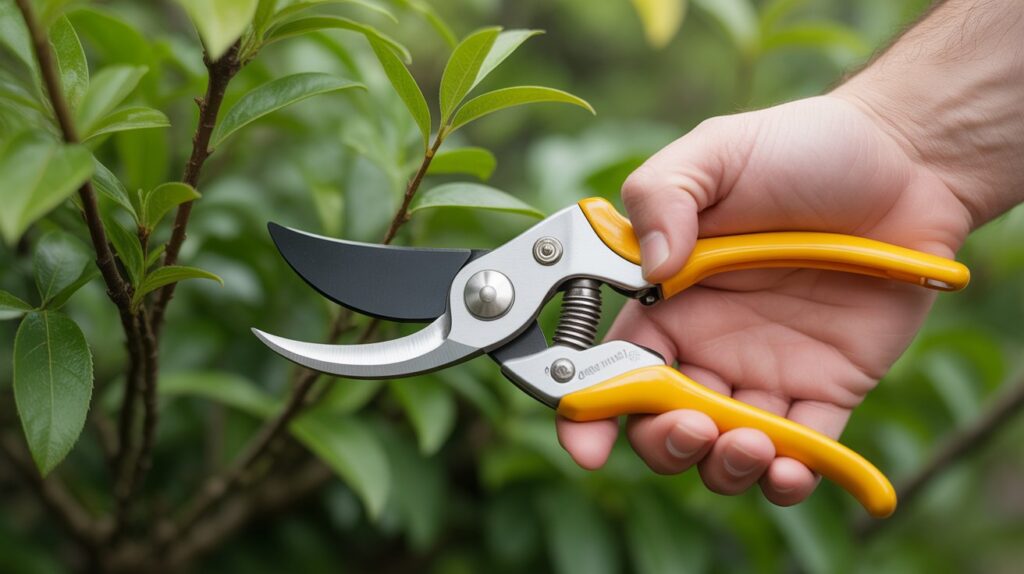
Bypass pruners have two curved blades that pass each other like scissors, making them ideal for cutting live stems and green branches. They provide clean cutting performance, reduce plant damage, and are considered some of the top hand pruners for gardeners.
2. Anvil Pruners
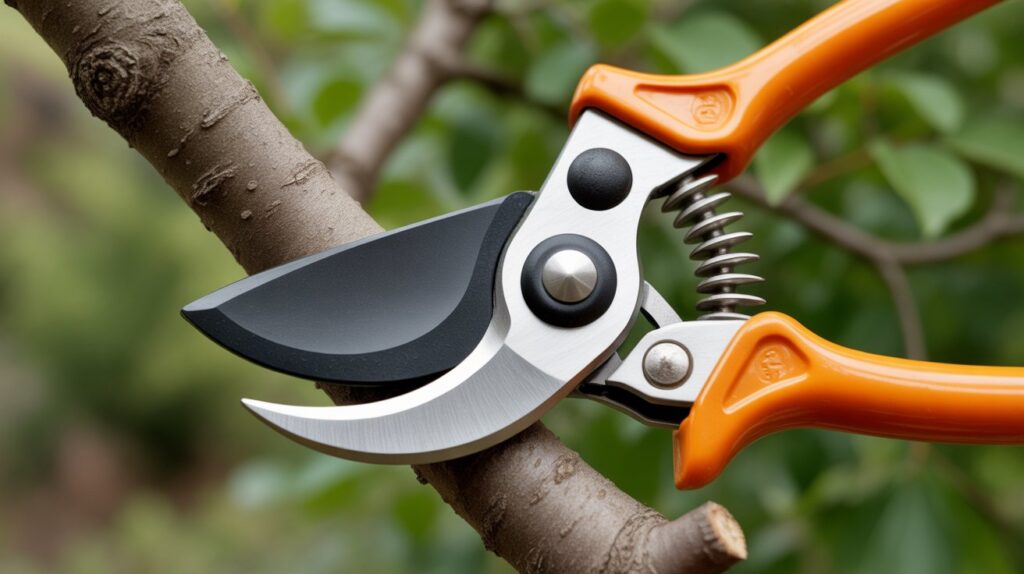
Anvil pruners have one blade that presses down onto a flat metal edge, making them suitable for cutting hard or dry branches. They are better suited for dry or woody branches, offering strong cutting capacity but less precision on live plants. Rust-resistant blades and ergonomic garden tools design are key features in high-quality anvil pruners.
3. Gear-Assisted or Ratchet Pruners
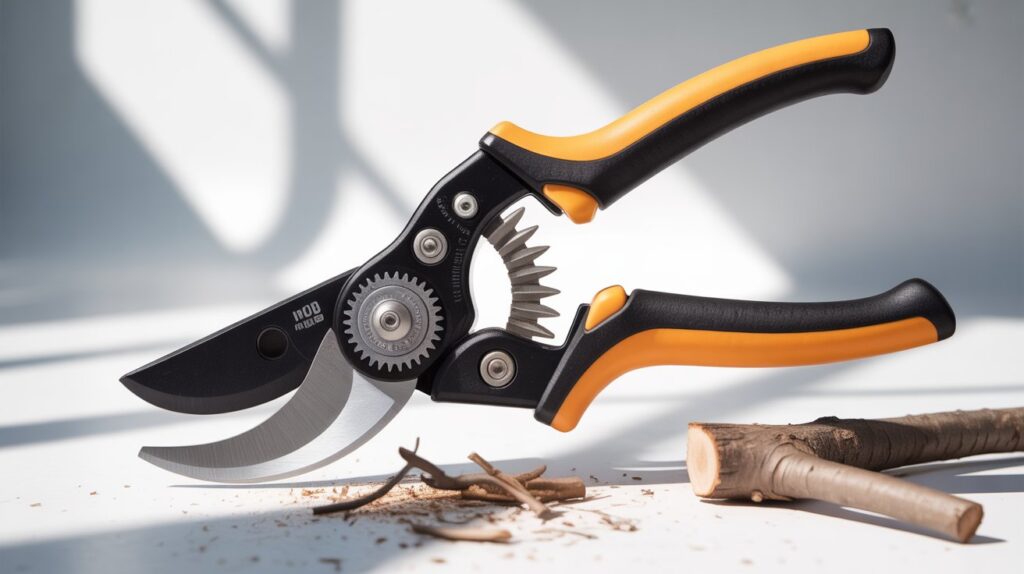
Gear-assisted pruners multiply leverage, allowing thicker branches to be cut with minimal effort. These pruners reduce hand fatigue and are preferred for long pruning sessions or professional garden work.
4. Needle-Nose or Precision Pruners
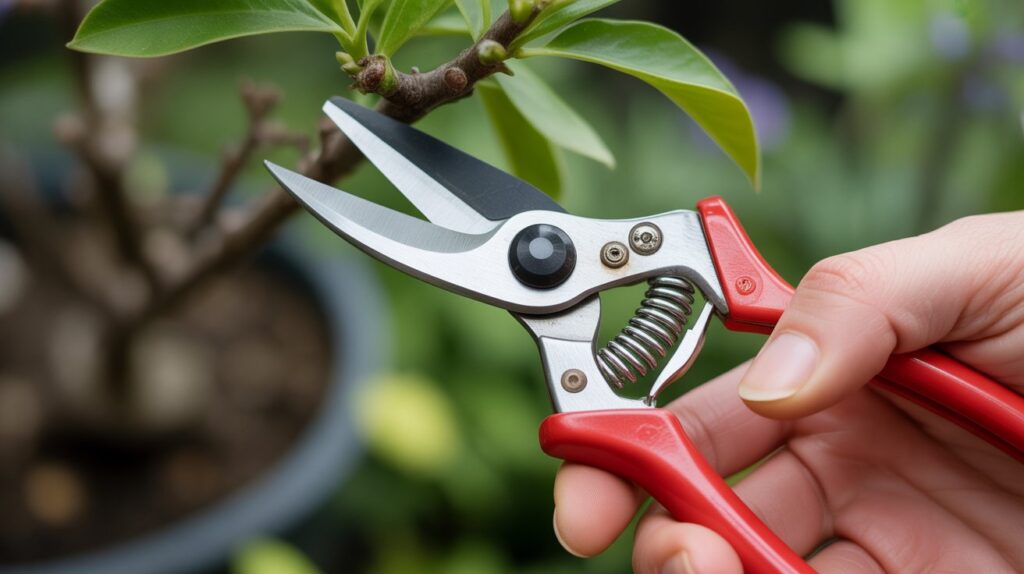
Needle-nose pruners are designed for delicate tasks, such as trimming flowers, bonsai, or small fruits. They offer precise cuts for intricate pruning work and are essential for gardeners needing exact plant trimming.
5. Lightweight or Compact Pruners
These small hand pruners are ideal for beginners or gardeners with smaller hands. They are easy to handle, reduce strain during frequent pruning, and are often used for home gardens or container plants.
Key Features to Compare When Deciding What Are the Best Hand Pruners
When determining what are the best hand pruners, comparing key features is essential to select a tool that delivers consistent performance, comfort, and durability. Understanding these features helps gardeners choose the best pruning shears for their needs.
1. Blade Material and Sharpness
High-quality blades made from hardened steel or carbon steel maintain sharpness longer and resist rust. Rust-resistant pruner blades ensure smooth cutting performance and protect plant health during trimming.
2. Blade Type
Bypass pruners are ideal for live stems, while anvil pruners are suited for dry or woody branches. Gear-assisted models provide extra cutting capacity for thick branches, reducing hand fatigue during long sessions.
3. Ergonomic Handle Design
Ergonomically designed garden tools help minimize hand and wrist fatigue during extended use. Non-slip, cushioned handles are essential for comfort, especially when using hand pruners frequently. Lightweight or compact pruners are also easier for beginners or gardeners with smaller hands.
4. Cutting Capacity
Different pruners handle different branch thicknesses. High-quality hand pruners offer strong cutting capacity while maintaining precision for delicate plant trimming.
5. Durability and Maintenance
Professional hand pruners often feature replaceable blades, springs, or bolts. Proper maintenance, including cleaning and occasional sharpening, prolongs tool life and ensures smooth cutting performance.
6. Safety Features
A secure locking mechanism is important to safely store pruners when not in use. This prevents accidental cuts and keeps the blades protected.
7. Weight and Balance
Well-balanced pruners reduce fatigue and allow precise control during pruning tasks. Lightweight designs enhance ease of use without sacrificing strength.
Including a comparison table or image showing these features side by side would help readers quickly understand what to look for in the best garden pruners.
Best Hand Pruners for Home Gardeners
When considering what are the best hand pruners for home gardeners, the goal is to find tools that combine durability, comfort, and clean cutting performance without being overly complex or heavy. Home gardeners typically need pruning shears for daily garden maintenance, shaping plants, and trimming flowers or small branches.
1. Bypass Pruners
Bypass pruners are ideal for live stems and green branches. They provide clean, precise cuts that protect plant health and are considered among the top hand pruners for gardeners. Rust-resistant blades and ergonomic handles ensure smooth trimming and reduce hand fatigue during frequent use.
2. Compact or Lightweight Pruners
For beginners or gardeners with smaller hands, lightweight or compact pruners are perfect. These tools are easy to handle, maintain strong cutting capacity, and allow precise plant trimming without strain.
3. Needle-Nose or Precision Pruners
Needle-nose pruners are excellent for delicate tasks, such as pruning flowers, bonsai, or small fruits. Their sharp, rust-resistant blades provide smooth cutting performance, making them a reliable choice for home gardening.
When choosing the best garden pruners for home use, prioritize ergonomics, blade sharpness, and overall balance. These features help ensure that each cut is efficient, precise, and comfortable.
Best Hand Pruners for Professional Gardeners
For professionals asking what are the best hand pruners, the focus is on tools that combine precision, durability, and efficiency. Professional gardeners require pruning shears that can withstand frequent use, cut through various types of branches, and reduce hand fatigue during long pruning sessions.
1. Heavy-Duty Bypass Pruners
Bypass pruners with hardened steel blades are ideal for live stems and green branches. They offer clean cutting performance, preserve plant health, and are widely regarded as top hand pruners for professional use.
2. Gear-Assisted or Ratchet Pruners
Gear-assisted pruners provide extra cutting power, making thick branches easier to trim. They reduce hand strain while maintaining precision, making them suitable for daily professional gardening tasks.
3. Anvil Pruners for Tough Branches
Anvil pruners are perfect for cutting dry or woody branches. Professionals often choose high-quality anvil pruners with rust-resistant blades and ergonomic handles to ensure durability and smooth performance.
4. Precision Pruners for Detail Work
Needle-nose or fine pruning shears are essential for delicate trimming, such as flowers, fruit trees, or bonsai. Sharp blades and lightweight design provide accuracy without sacrificing comfort.
When selecting the best garden pruners for professional use, prioritize ergonomic handles, replaceable parts, rust-resistant blades, and strong cutting capacity. These features ensure that every cut is precise, efficient, and safe during long working hours.
Best Hand Pruners for Thick Branches
When searching what are the best hand pruners for thick branches, the priority is cutting power, durability, and ease of use. Thick stems require tools that can handle greater force while maintaining precise cuts and reducing hand fatigue.
1. Gear-Assisted or Ratchet Pruners
Gear-assisted pruners use a mechanical leverage system to multiply cutting power. They are ideal for thick branches, making pruning easier and more efficient. Rust-resistant blades and ergonomic handles enhance durability and comfort, making them a popular choice among both home and professional gardeners.
2. Heavy-Duty Bypass Pruners
High-quality bypass pruners with hardened steel blades can also handle medium to thick branches. They offer clean cutting performance and maintain plant health while providing reliable strength for repeated use.
3. Anvil Pruners for Tough Wood
Anvil pruners excel at cutting dry or woody branches that bypass pruners may struggle with. Professional hand pruners in this category often feature replaceable blades, ergonomic grips, and strong cutting capacity, ensuring smooth performance.
When choosing the best garden pruners for thick branches, focus on blade sharpness, ergonomic design, and cutting capacity. These features ensure safe, precise, and comfortable pruning for any garden size or type.
Best Hand Pruners for Precision Cutting
When considering what are the best hand pruners for precision cutting, gardeners seek tools that deliver clean, accurate cuts without damaging delicate plants. Precision pruners are essential for tasks such as trimming flowers, fruit trees, bonsai, and other small or intricate branches.
1. Needle-Nose or Fine Pruners
Needle-nose pruners provide excellent control for detailed work. Their sharp, rust-resistant blades ensure clean cutting performance, making them one of the top hand pruners for gardeners who prioritize accuracy.
2. Lightweight or Compact Pruners
Compact pruners are easy to handle and reduce hand fatigue during extended precision trimming. Their ergonomic design allows for smooth, controlled cuts, making them ideal for home gardens and small plants.
3. Professional Hand Pruners with Sharp Blades
High-quality professional pruners often feature hardened steel blades and ergonomic handles for maximum control. These features ensure that even intricate pruning tasks are done efficiently and safely, protecting plant health.
When selecting the best garden pruners for precision cutting, focus on blade sharpness, ergonomic handles, and lightweight design. These factors provide clean cuts, reduce hand strain, and allow gardeners to maintain delicate plants with ease
Maintenance Tips to Keep Hand Pruners in Top Condition
To ensure long-lasting performance, knowing what are the best hand pruners is only part of the process—proper maintenance is equally important. Regular care keeps pruning shears sharp, rust-free, and safe to use.
1. Clean After Each Use
Remove dirt, sap, and plant debris from blades using a soft cloth or brush. Rust-resistant pruner blades last longer when kept clean.
2. Sharpen Blades Regularly
Sharp blades provide clean cutting performance, reduce hand fatigue, and protect plant health. Use a sharpening stone or professional tool sharpener for precision.
3. Oil and Lubricate
Apply a light coating of oil to blades, springs, and pivot points to maintain smooth operation and prevent rust.
4. Check Screws and Springs
Tighten loose bolts and ensure springs are functioning correctly. Replace worn or broken parts to maintain cutting capacity and safety.
5. Proper Storage
Store pruners in a dry place with the safety lock engaged. Avoid leaving them outside, as moisture can damage blades and handles.
Following these maintenance tips ensures your professional hand pruners or home garden pruners remain reliable, precise, and efficient for years of pruning tasks.
Conclusion
Choosing what are the best hand pruners is key for healthy plants and efficient garden care. High-quality pruning shears with sharp blades, ergonomic handles, and strong cutting capacity make pruning easier, precise, and safe. Proper maintenance ensures long-lasting performance, allowing gardeners to enjoy clean cuts and healthier plants for years to come.
FAQs
What are the best hand pruners for trees
The best hand pruners for trees are bypass pruners for live branches and anvil pruners for dry or thick wood. Bypass models give clean, precise cuts, while anvil pruners provide extra power for tough branches. Choosing pruners with sharp steel blades and ergonomic handles ensures better cutting performance and healthier tree growth.
What is the best hand tool to cut branches?
The best hand tool to cut branches is a bypass pruner for live stems and small green branches because it makes clean, smooth cuts. For thicker or dry branches, an anvil pruner or a hand lopper is more effective, as they provide stronger cutting power with less effort.
What are the best hand pruners for home gardening?
Bypass pruners, compact pruners, and needle-nose pruners are ideal for home gardeners. They offer clean cuts, reduced hand fatigue, and are suitable for trimming flowers, small branches, and green stems.
What is the difference between bypass and anvil pruners?
Bypass pruners have two blades that pass each other, ideal for live stems, while anvil pruners have one blade that presses onto a flat surface, best for dry or woody branches. Choosing the right type ensures precise cuts and protects plant health.
How do I maintain hand pruners for long-lasting use?
Clean blades after each use, sharpen them regularly, lubricate moving parts, check screws and springs, and store pruners in a dry place with the safety lock engaged. Proper maintenance preserves cutting performance and reduces wear.