
Introduction
A 10 inch tablesaw blade is one of the most essential tools for accurate and efficient woodworking. Whether used for ripping, crosscutting, or general-purpose cutting, the right blade plays a major role in cut quality, safety, and overall performance. Understanding blade types, tooth design, materials, and compatibility helps woodworkers select the best option for their specific projects and cutting needs.
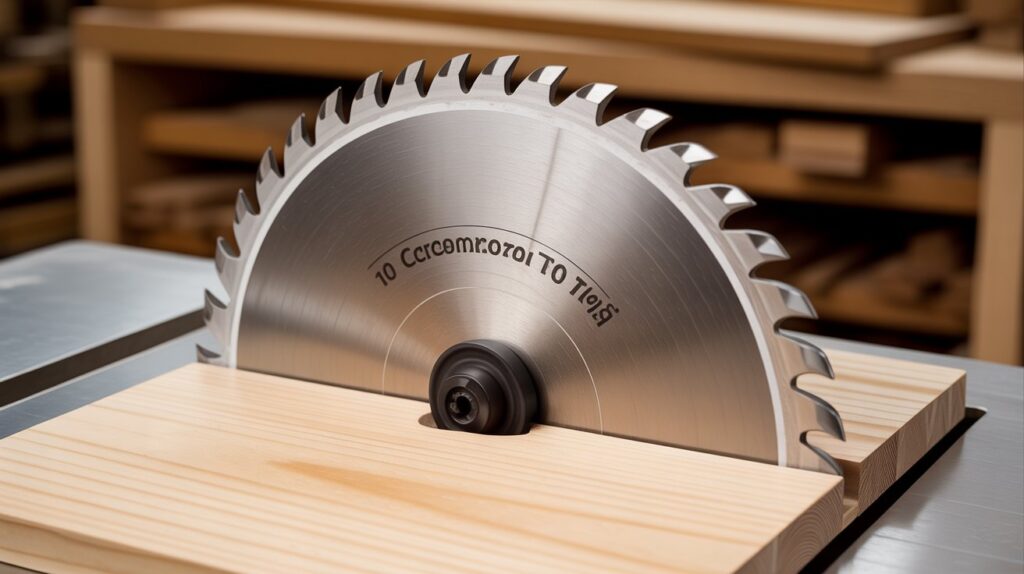
Table of Contents
Types of 10 Inch Tablesaw Blades
Choosing the correct 10 inch tablesaw blade depends on the type of cut and the material being used. Each blade type is designed for specific woodworking tasks and delivers different cutting results. Understanding these blade types helps improve accuracy, surface finish, and overall cutting performance.
Rip Cut 10 Inch Tablesaw Blade
A 10 inch tablesaw blade for rip cuts is designed to cut wood along the grain. These blades usually have a lower table saw blade tooth count, allowing faster material removal and efficient cutting of hardwood and softwood. The larger gullets between teeth help clear wood chips, reducing heat buildup and improving blade life. Rip blades are ideal for heavy-duty cutting and long, straight cuts.
Crosscut 10 Inch Tablesaw Blade
A 10 inch tablesaw blade for crosscutting is used to cut across the wood grain. These blades have a higher tooth count and finely shaped teeth to produce clean and smooth edges. A smooth cutting table saw blade is especially important when working with visible surfaces, such as furniture parts or trim. Crosscut blades are commonly used for plywood, hardwood, and finished boards.
Combination 10 Inch Tablesaw Blade
A 10 inch combination tablesaw blade is designed to handle both ripping and crosscutting tasks. This blade type is popular among woodworkers who prefer one blade for general use. It balances cutting speed and finish quality, making it suitable for most woodworking projects. Combination blades are a practical choice for users who switch between different cutting applications.
Thin Kerf 10 Inch Tablesaw Blade
A thin kerf 10 inch tablesaw blade removes less material during cutting, which reduces strain on the table saw motor. This type of blade is ideal for portable or lower-powered saws. Thin kerf blades offer efficient cutting while maintaining accuracy, especially when cutting hardwood and softwood. Proper alignment is important to prevent blade deflection during use.
Full Kerf 10 Inch Tablesaw Blade
A full kerf 10 inch tablesaw blade is thicker and provides greater stability during cutting. It is commonly used on powerful table saws where strength and precision are required. Full kerf blades reduce vibration and deliver consistent results, making them suitable for professional workshops and high-volume cutting tasks.
Specialty 10 Inch Tablesaw Blades
Specialty blades are designed for specific materials and applications. A 10 inch carbide tablesaw blade with special tooth geometry can be used for laminates, MDF, or engineered wood. These carbide tipped saw blades offer long-lasting performance and clean cuts. Specialty blades improve accuracy when working with demanding materials.
Choosing the Right Blade Type
Selecting the right 10 inch tablesaw blade depends on cutting needs, material type, and saw power. Considering factors such as blade kerf thickness, cutting purpose, and table saw blade compatibility helps ensure safe and efficient operation. Using the correct blade type improves cutting quality and extends the life of both the blade and the table saw.
Tooth Count and Tooth Design in a 10 Inch Tablesaw Blade
The performance of a 10 inch tablesaw blade depends greatly on its tooth count and tooth design. These two factors control cutting speed, surface finish, and the type of material the blade can handle. Understanding how tooth configuration works helps users select the best blade for accurate and clean woodworking results.
Understanding Table Saw Blade Tooth Count
The table saw blade tooth count refers to the total number of teeth on a blade. A 10 inch tablesaw blade with fewer teeth, usually between 24 and 30, is designed for fast cutting and is commonly used for rip cuts. These blades remove material quickly and are suitable for cutting hardwood and softwood along the grain.
Blades with higher tooth counts, typically 60 to 80 teeth, are designed for crosscutting. They produce smoother edges and reduce tear-out, making them ideal for furniture work and visible wood surfaces. Choosing the correct tooth count improves cutting efficiency and overall finish quality.
Low Tooth Count vs High Tooth Count Blades
A low tooth count 10 inch tablesaw blade for rip cuts focuses on speed and efficiency. The wide spaces between teeth allow better chip removal, reducing heat buildup and extending blade life. This type of blade is commonly used in framing and heavy woodworking tasks.
A high tooth count 10 inch tablesaw blade for crosscutting delivers precise and clean cuts. These blades are often used when a smooth cutting table saw blade is required, especially for plywood, hardwood panels, and fine woodworking projects.
Tooth Design and Cutting Performance
Tooth design plays a critical role in how a 10 inch tablesaw blade cuts through material. Common tooth shapes include flat top grind and alternate top bevel. Flat top teeth are designed for fast and straight rip cuts, while alternate top bevel teeth create cleaner edges during crosscutting.
A 10 inch carbide tablesaw blade often features precision-ground teeth that maintain sharpness for longer periods. These carbide tipped saw blades provide consistent cutting performance and are suitable for both professional and home workshops.
Impact of Tooth Geometry on Smooth Cuts
Proper tooth geometry ensures a smooth cutting table saw blade experience. Sharp angles and balanced tooth spacing reduce vibration and improve cutting accuracy. This is especially important when working with dense materials or when precise measurements are required.
Well-designed tooth patterns also support better ripping and crosscutting wood, allowing the blade to perform efficiently across different applications without excessive wear.
Choosing the Right Tooth Configuration
Selecting the right tooth count and design depends on project needs and material type. A 10 inch combination tablesaw blade offers a balanced tooth configuration that supports both rip cuts and crosscuts. Considering factors such as blade kerf thickness and cutting purpose helps ensure optimal results and long-lasting performance.
Blade Materials and Coatings in a 10 Inch Tablesaw Blade
The quality and performance of a 10 inch tablesaw blade depend heavily on the materials used in its construction and the protective coatings applied to its surface. Blade materials affect strength, sharpness, and durability, while coatings improve cutting efficiency and blade lifespan. Understanding these features helps users choose a reliable blade for consistent woodworking results.
Steel Blade Bodies and Structural Strength
Most 10 inch tablesaw blades are built with high-quality steel bodies that provide stability during cutting. A strong steel core helps maintain balance and reduces blade wobble, which improves cutting accuracy. This stability is essential for safe operation and smooth performance, especially during continuous use in woodworking projects.
Carbide Tipped Saw Blades for Long-Lasting Performance
A 10 inch carbide tablesaw blade features teeth made from carbide, a material known for its hardness and wear resistance. These carbide tipped saw blades stay sharp longer than standard steel teeth, making them ideal for cutting hardwood, softwood, plywood, and engineered wood. Carbide tips also support repeated sharpening, which increases the blade’s service life and overall value.
Importance of Blade Coatings
Protective coatings enhance the performance of a durable 10 inch tablesaw blade. Common coatings reduce friction during cutting, allowing smoother material movement and cleaner edges. Lower friction also reduces heat buildup, which helps prevent blade warping and extends cutting accuracy over time.
Anti-Friction and Heat-Resistant Coatings
Many professional blades include anti-friction coatings that improve cutting speed and reduce strain on the saw motor. A professional 10 inch tablesaw blade with heat-resistant coating performs well during long cutting sessions and maintains consistent results. These coatings also help prevent material sticking, which improves overall cutting control.
Corrosion-Resistant Blade Surfaces
Corrosion-resistant coatings protect a 10 inch tablesaw blade from moisture and rust. This feature is especially important in workshops with varying humidity levels. A protected blade maintains smooth cutting performance and reduces maintenance requirements, supporting long-term reliability.
How Materials and Coatings Affect Cutting Quality
High-quality materials and coatings directly contribute to a smooth cutting table saw blade experience. Reduced vibration, improved heat control, and longer-lasting sharpness help ensure clean cuts and consistent performance. These features are critical when cutting hardwood and softwood where precision is required.
Choosing the Right Blade Material and Coating
When selecting a 10 inch tablesaw blade, consider blade material, coating type, and intended use. A well-constructed blade with carbide tips and protective coatings offers better cutting results, improved safety, and long-term durability. Understanding these factors ensures better compatibility with different woodworking applications.
Kerf Size and Blade Thickness in a 10 Inch Tablesaw Blade
Kerf size and blade thickness are important factors that influence the cutting performance of a 10 inch tablesaw blade. These features affect cutting accuracy, material waste, and the load placed on the table saw motor. Understanding kerf differences helps users choose the right blade for efficient and precise woodworking.
What Is Kerf Size in a Table Saw Blade?
Kerf size refers to the width of the cut made by a 10 inch tablesaw blade as it passes through material. The kerf is determined by the thickness of the blade and the width of the teeth. A properly matched kerf size ensures smooth cutting and accurate results, especially when working with hardwood and softwood.
Thin Kerf 10 Inch Tablesaw Blade
A thin kerf 10 inch tablesaw blade removes less material during each cut. This design reduces resistance, making it easier for the saw motor to maintain speed. Thin kerf blades are ideal for portable and lower-powered saws and are commonly used when material efficiency is important. They also help reduce waste and support faster cutting.
Full Kerf 10 Inch Tablesaw Blade
A full kerf 10 inch tablesaw blade is thicker and creates a wider cut. These blades are known for increased stability and reduced blade deflection. Full kerf blades perform best on powerful table saws and are often preferred in professional workshops where precision and durability are required. Their rigidity supports consistent cuts during demanding tasks.
Blade Thickness and Cutting Stability
Blade thickness directly impacts cutting stability and vibration control. A thicker 10 inch tablesaw blade offers better resistance to bending, resulting in straighter cuts. Thinner blades require proper alignment and support to maintain accuracy, especially during long rip cuts.
Effect of Kerf Size on Cutting Performance
Kerf size affects both cutting speed and finish quality. A thinner kerf allows smoother cutting with less strain on the saw, while a full kerf blade provides enhanced control and accuracy. Choosing the correct blade kerf thickness helps achieve a smooth cutting table saw blade result and improves overall cutting efficiency.
Choosing the Right Kerf Size for Your Saw
Selecting the correct kerf size depends on saw power, material type, and cutting purpose. A durable 10 inch tablesaw blade with the right kerf thickness improves safety, cutting control, and blade lifespan. Understanding these factors ensures better table saw blade compatibility and reliable woodworking results.
Compatibility With Table Saws for a 10 Inch Tablesaw Blade
Proper compatibility is essential when selecting a 10 inch tablesaw blade. Using a blade that matches your table saw ensures safe operation, stable cutting, and consistent performance. Understanding key compatibility factors helps prevent mechanical issues and improves overall cutting accuracy.
Standard Blade Size and Arbor Fit
A 10 inch tablesaw blade is designed to fit table saws built for a 10-inch diameter blade. Most table saws use a standard arbor size, which allows the blade to mount securely and rotate smoothly. Ensuring the correct arbor fit is critical for maintaining balance and preventing blade wobble during operation.
RPM Ratings and Safe Operation
Every 10 inch tablesaw blade has a maximum RPM rating that must match or exceed the table saw’s operating speed. Using a blade with an improper RPM rating can cause vibration, overheating, or blade damage. Checking this specification ensures safe cutting and long-term blade durability.
Table Saw Power and Blade Selection
The power of the table saw motor directly affects blade performance. A thin kerf 10 inch tablesaw blade works well with lower-powered saws by reducing cutting resistance. In contrast, a full kerf 10 inch tablesaw blade performs best on powerful table saws, offering greater stability and precision during heavy cuts.
Compatibility With Different Cutting Applications
A compatible 10 inch tablesaw blade supports various cutting tasks such as ripping and crosscutting wood. Choosing the correct blade type ensures smooth performance when cutting hardwood, softwood, plywood, and engineered materials. Proper compatibility improves cutting control and reduces strain on both the blade and the saw.
Safety Features and Stability
Modern blades include design features that enhance compatibility and safety. Expansion slots, vibration reduction cuts, and balanced steel bodies help stabilize a durable 10 inch tablesaw blade during use. These features reduce noise and improve cutting accuracy, especially during extended operation.
Importance of Proper Installation
Correct installation is essential for table saw blade compatibility. The blade must be tightened securely and aligned properly with the saw’s fence and miter gauge. A well-installed blade ensures smooth cutting performance and supports a smooth cutting table saw blade experience.
Choosing a Compatible Blade for Best Results
Selecting a professional 10 inch tablesaw blade that matches saw specifications improves efficiency, safety, and cutting quality. Considering arbor size, RPM limits, and saw power ensures the blade performs as intended across different woodworking tasks.
Best Uses and Cutting Applications of a 10 Inch Tablesaw Blade
A 10 inch tablesaw blade is designed to handle a wide range of woodworking tasks with precision and efficiency. Its versatility makes it suitable for both professional workshops and home projects. Understanding the best uses and cutting applications helps users select the right blade for consistent and accurate results.
Ripping Wood With a 10 Inch Tablesaw Blade
Ripping involves cutting wood along the grain. A 10 inch tablesaw blade for rip cuts is ideal for this task, especially when working with hardwood and softwood. These blades allow fast material removal while maintaining straight and controlled cuts. Proper blade selection reduces strain on the saw and improves cutting stability.
Crosscutting for Clean and Smooth Finishes
Crosscutting is used to cut across the wood grain. A 10 inch tablesaw blade for crosscutting produces smooth edges and reduces tear-out. This application is common in furniture making, cabinetry, and finish work where accuracy and surface quality are important. A smooth cutting table saw blade ensures professional-looking results.
General Woodworking With Combination Blades
A 10 inch combination tablesaw blade is suitable for users who perform both ripping and crosscutting tasks. It offers balanced performance, making it ideal for general woodworking projects. This blade type is often preferred for its convenience and consistent cutting quality across different applications.
Cutting Hardwood and Softwood Materials
A 10 inch table saw blade for hardwood is designed to handle dense materials without excessive wear. Carbide tipped blades perform well when cutting hardwood and softwood, maintaining sharpness and accuracy. Proper blade choice improves efficiency and reduces the risk of burning or uneven cuts.
Plywood and Engineered Wood Applications
A 10 inch tablesaw blade is also effective for cutting plywood, MDF, and other engineered wood materials. Blades with higher tooth counts provide cleaner cuts and reduce surface damage. These applications require precise cutting control to achieve smooth edges and accurate dimensions.
Professional and Workshop Applications
A professional 10 inch tablesaw blade is commonly used in workshops for repeated and high-volume cutting tasks. These blades are built to last and deliver reliable, steady performance over time. Features such as vibration reduction and stable blade design support long-term use and improved safety.
Selecting the Right Blade for Each Application
Choosing the right durable 10 inch tablesaw blade depends on the material type and cutting purpose. Understanding how blade design affects different applications helps ensure better cutting results and extended blade life.
Durability and Blade Lifespan of a 10 Inch Tablesaw Blade
Durability and blade lifespan are key factors when choosing a 10 inch tablesaw blade. A long-lasting blade maintains cutting accuracy, reduces replacement costs, and ensures consistent woodworking results. Understanding what affects blade durability helps users make better buying and maintenance decisions.
Materials That Improve Blade Durability
A 10 inch carbide tablesaw blade is known for superior durability due to its hard, wear-resistant teeth. These carbide tipped saw blades stay sharp longer than standard steel blades and perform well when cutting hardwood and softwood. High-quality steel blade bodies also add strength and stability, reducing the risk of bending or warping during use.
Impact of Cutting Applications on Blade Life
The type of cutting task directly affects the lifespan of a 10 inch tablesaw blade. Frequent ripping of dense hardwood places more stress on the blade than occasional crosscutting. Using the correct blade for each application helps maintain sharpness and prevents premature wear. A smooth cutting table saw blade experience is often a sign of proper blade use and maintenance.
Heat Control and Wear Resistance
Heat buildup is a major cause of blade wear. Durable blades include features that reduce friction and manage heat during cutting. Proper blade design and protective coatings help maintain cutting efficiency and extend blade life. Reduced heat also prevents tooth damage and preserves blade alignment.
Importance of Proper Blade Maintenance
Regular maintenance plays a critical role in extending the lifespan of a durable 10 inch tablesaw blade. Cleaning resin buildup, inspecting tooth condition, and storing the blade properly prevent performance loss. Well-maintained blades deliver cleaner cuts and operate more safely over time.
Sharpening and Reusability
A professional 10 inch tablesaw blade can be sharpened multiple times, especially carbide-tipped models. Sharpening restores cutting performance and delays the need for replacement. Proper sharpening helps maintain accurate cuts and supports long-term use in woodworking applications.
Choosing a Long-Lasting Tablesaw Blade
Selecting a blade designed for durability ensures reliable performance across different projects. Factors such as blade material, tooth design, and intended use all affect lifespan. A high-quality 10 inch tablesaw blade offers better value by delivering consistent results and extended service life
Safety Features and Performance Stability of a 10 Inch Tablesaw Blade
Safety and performance stability are critical considerations when using a 10 inch tablesaw blade. A well-designed blade not only improves cutting accuracy but also reduces risks during operation. Understanding key safety features helps users achieve consistent results while maintaining a safe woodworking environment.
Vibration Reduction for Stable Cutting
A high-quality 10 inch tablesaw blade is designed with vibration reduction features that improve cutting stability. Expansion slots and laser-cut vents help control movement during rotation. Reduced vibration leads to smoother cuts and better control, supporting a smooth cutting table saw blade experience.
Heat Expansion Slots and Blade Balance
Heat expansion slots allow the blade to expand evenly during operation, preventing warping and maintaining alignment. A balanced steel body ensures the blade spins smoothly, which improves cutting precision and reduces stress on the table saw. These features contribute to consistent performance and long-term blade durability.
Tooth Design and Safe Cutting Control
Proper tooth design plays an important role in cutting safety. A 10 inch carbide tablesaw blade with precision-ground teeth reduces grabbing and kickback during cutting. Controlled tooth engagement ensures clean cuts and stable material movement, especially when ripping and crosscutting wood.
Anti-Friction Coatings for Improved Performance
Anti-friction coatings enhance safety by reducing resistance between the blade and material. A durable 10 inch tablesaw blade with a coated surface generates less heat and allows smoother feeding of wood. This improves cutting control and reduces the chance of blade binding.
Noise Reduction and Operator Comfort
Modern blades are engineered to minimize noise during operation. Reduced noise improves user comfort and indicates stable blade rotation. A professional 10 inch tablesaw blade with sound-dampening features supports extended use without sacrificing cutting accuracy.
Importance of Blade Stability in Woodworking
Performance stability is essential when working with hardwood, softwood, and engineered materials. A stable 10 inch tablesaw blade ensures straight cuts, accurate measurements, and consistent results. Stability also enhances table saw blade compatibility and overall safety during operation.
Choosing a Safe and Stable Tablesaw Blade
Selecting a blade with advanced safety and stability features improves both cutting performance and user protection. A well-designed 10 inch tablesaw blade delivers reliable results while supporting safe and controlled woodworking practices.
How to Select the Most Suitable 10 Inch Tablesaw Blade
Choosing the right 10 inch tablesaw blade is essential for achieving clean cuts, safe operation, and long-lasting performance. The best blade depends on your cutting needs, material type, and table saw specifications. Understanding key selection factors helps ensure reliable and accurate woodworking results.
Consider the Type of Cutting Work
The first step in selecting the best 10 inch tablesaw blade is identifying the type of cuts you perform most often. For straight cuts along the grain, a 10 inch tablesaw blade for rip cuts is ideal. For smooth cuts across the grain, a 10 inch tablesaw blade for crosscutting delivers better surface finish. If you need one blade for multiple tasks, a 10 inch combination tablesaw blade offers balanced performance.
Choose the Right Tooth Count and Design
The table saw blade tooth count directly affects cutting speed and finish quality. Lower tooth counts are suitable for fast ripping, while higher tooth counts provide smoother crosscuts. Tooth design also influences cutting control and accuracy. Selecting the correct tooth configuration improves cutting efficiency and reduces material damage.
Select the Proper Blade Material
A 10 inch carbide tablesaw blade is a reliable choice for durability and long-term use. Carbide tipped saw blades stay sharp longer and perform well when cutting hardwood and softwood. High-quality blade materials ensure consistent cutting performance and support repeated sharpening.
Match Kerf Size With Saw Power
Kerf size plays an important role in blade selection. A thin kerf 10 inch tablesaw blade is suitable for lower-powered saws and reduces motor strain. A full kerf 10 inch tablesaw blade offers greater stability and is ideal for powerful table saws. Matching kerf thickness with saw power improves cutting control.
Check Table Saw Compatibility
Ensuring proper table saw blade compatibility is essential for safe operation. Verify blade diameter, arbor size, and RPM rating before purchase. A compatible blade operates smoothly and reduces vibration during cutting.
Focus on Durability and Safety Features
A durable 10 inch tablesaw blade includes features such as vibration reduction slots, heat expansion cuts, and protective coatings. These features improve cutting stability and extend blade lifespan. Safety-focused designs also support smoother and more controlled cutting.
Evaluate Your Woodworking Needs
The best blade selection depends on project type and material. A professional 10 inch tablesaw blade is ideal for frequent or heavy use, while standard blades work well for general woodworking. Choosing the right blade ensures a smooth cutting table saw blade experience and consistent results.
Conclusion
Choosing the right 10 inch tablesaw blade is essential for achieving clean cuts, consistent performance, and safe operation. Factors such as blade type, tooth count, materials, kerf size, and compatibility all influence cutting quality and blade lifespan. A well-selected blade improves accuracy, reduces strain on the table saw, and delivers smoother results across different woodworking applications. By understanding how each feature affects performance, users can confidently select a durable and reliable blade that meets their woodworking needs and supports long-term use.
Top 05 FAQs
1. How many teeth for a 10 inch table saw?
10-inch table saw blades typically range from 24 to 80 teeth.
Fewer teeth (24–30) for ripping wood.
More teeth (60–80) for crosscutting and fine finishes.
2. What are table saws with 10 inch blades good for?
Cutting hardwood, softwood, plywood, MDF, and laminates.
Performing ripping, crosscutting, and general woodworking tasks.
3. What is a 60 tooth saw blade used for?
Crosscutting wood for smooth edges.
Ideal for plywood, hardwood panels, and furniture parts.
4. How deep can a 10 inch blade cut?
Maximum cutting depth is approximately 3 inches at 90° and about 2 inches at a 45° bevel.
5. What is the best 10 inch table saw?
Depends on needs, but top-rated options often include:
DEWALT DWE7491RS – portable, powerful, and accurate.
SawStop PCS31230-TGP252 – professional with safety features.
Bosch 4100-09 – portable with gravity-rise stand.