
Introduction
Anvil pruners are essential tools for gardeners who need strength, control, and reliable performance when cutting tough or dry branches. Their single-blade design delivers powerful cuts, making them ideal for routine garden maintenance and heavy-duty tasks. This guide explains their benefits, key features, and how to select the best model for your needs, helping you make an informed choice for your gardening work.

Table of Contents
What Are Anvil Pruners?
What Are Anvil Pruners?
Anvil pruners are hand-cutting tools designed to cut dry or hard branches. They use one sharp blade that presses against a flat metal surface called the anvil. This straight, strong cutting action makes them effective for removing tough stems and dead wood. Their simple design provides clean cuts, high control, and strong cutting power, making them ideal for heavy-duty pruning tasks.
Key Benefits of Using Anvil Pruners
Anvil pruners offer several advantages for gardening and pruning tasks. They provide strong cutting power, making it easier to trim dry or hard branches with minimal effort. Their simple design ensures clean and controlled cuts, reducing the risk of damaging plants. Anvil pruners are durable and long-lasting, able to handle tough pruning jobs over time. They are easy to use, even for heavy-duty tasks, and their stable blade design improves safety during cutting. Overall, anvil pruners are efficient, reliable, and ideal for gardeners who need precision and strength in their pruning tools.
Anvil Pruners vs. Bypass Pruners
Anvil pruners and bypass pruners are both common gardening tools, but they work differently. Anvil pruners have a single blade that cuts against a flat surface, making them ideal for dry, hard, or dead branches. Bypass pruners have two curved blades that slide past each other, which works best for cutting live, green stems. Anvil pruners provide strong cutting power and clean cuts on tough material, while bypass pruners offer precision on softer branches. Choosing between them depends on the type of pruning work, but anvil pruners are preferred for heavy-duty tasks and cutting thick, dry wood.
Cutting Performance and Blade Strength
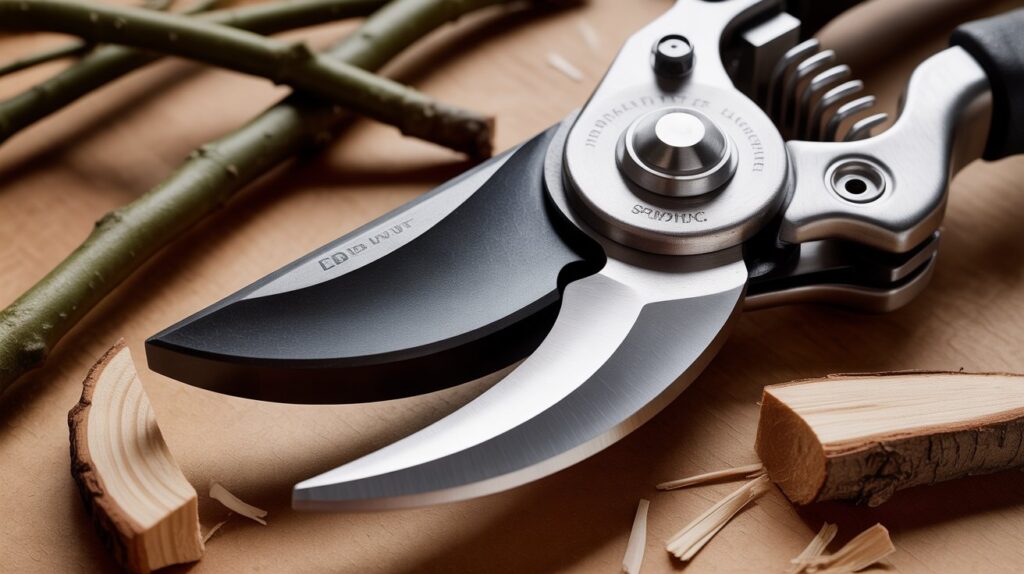
Anvil pruners are known for their strong cutting performance and durable blade design. The single sharp blade presses against the flat anvil, allowing it to slice through tough branches and dry wood with minimal effort. High-quality anvil pruners use hardened steel or rust-resistant materials, which maintain sharpness over time and provide consistent, clean cuts. The sturdy blade design prevents bending or twisting, ensuring reliable performance during heavy-duty pruning tasks. This makes anvil pruners effective, long-lasting, and ideal for both home gardeners and professional use.
Handle Design and Comfort
Anvil pruners are designed with ergonomics in mind to make pruning easier and reduce hand fatigue. Comfortable handles with non-slip grips provide better control and stability while cutting tough branches. Some models feature cushioned or contoured handles that fit naturally in the hand, making them suitable for extended use. A well-designed handle ensures that the cutting force is applied efficiently, improving safety and precision. Proper handle design is important for both home gardeners and professionals who use anvil pruners for heavy-duty tasks.
Durability and Material Quality
Anvil pruners are built to last and handle tough pruning tasks. High-quality models use hardened steel blades and strong metal anvils that resist bending, breaking, or rusting. The handles are often made from durable materials such as reinforced plastic or metal to ensure long-term stability. Good material quality ensures that the pruners maintain sharp cuts and reliable performance over time. Durable anvil pruners are ideal for gardeners who need a tool that can withstand regular use on hard or dry branches without losing efficiency.
Safety Features
Anvil pruners include safety features to protect users during storage and use. Many models have a locking mechanism that keeps the blade closed when not in use, preventing accidental cuts. Non-slip handles improve grip and reduce the risk of slipping while cutting tough branches. Some pruners also have blade guards or covers for added protection. These safety features make anvil pruners reliable tools for both home gardeners and professionals, ensuring secure and efficient pruning without unnecessary risk.
Cutting Capacity and Suitable Branch Sizes
Anvil pruners are designed to handle tough and dry branches that require strong cutting power. Their single-blade cutting mechanism allows them to cut thicker stems with ease, making them one of the best heavy-duty pruning tools for hard or dead wood. Most anvil pruners can cut medium to thick branches, depending on the blade strength and overall tool durability. They are ideal for pruning tasks that involve tough stems, dry growth, or dense areas where clean and controlled cuts are needed. This makes anvil pruners reliable garden pruning shears for both routine gardening maintenance and more demanding jobs.
Maintenance and Care Tips
Proper maintenance helps anvil pruners stay sharp, strong, and efficient for long-term use. After each task, clean the blade to remove sap or debris that may affect cutting performance. A light coat of oil can protect the blade and support rust-resistant blade construction. Sharpen the edge regularly to maintain clean and controlled cuts, especially when working with tough branches or dry wood. Check the handles and locking system to ensure they remain secure and comfortable. Storing the pruners in a dry place also improves tool durability and stability. These simple steps keep your anvil pruners reliable, safe, and ready for any gardening maintenance job.
How to Choose the Best Anvil Pruners
Choosing the best anvil pruners depends on the type of pruning work and the level of durability you need. Start by checking the blade quality, as hardened steel or rust-resistant blade construction ensures clean and controlled cuts. Look for ergonomic garden cutters with non-slip handles to improve comfort and reduce hand strain during long gardening maintenance sessions. Cutting capacity is also important, especially if you work with tough branches or dry wood. A strong single-blade cutting mechanism will give better results on hard stems. Consider the overall tool durability and stability, since heavy-duty pruning tools should handle repeated use without bending or losing sharpness. By focusing on these key features, you can choose anvil pruners that offer strength, reliability, and long-term performance for any pruning task.
Common Mistakes to Avoid When Using Anvil Pruners
One common mistake when using anvil pruners is trying to cut branches that are too thick for the tool. This puts pressure on the blade and reduces cutting performance. It is important to check the cutting capacity before trimming tough branches. Another mistake is using dull blades. A sharp edge is necessary for clean and controlled cuts, especially on dry or hard wood. Many users also forget to clean the blade after gardening maintenance, which can affect the rust-resistant blade construction over time. Using too much force is another issue, since the single-blade cutting mechanism is designed to handle pressure on its own. Finally, improper grip can lead to hand fatigue, so using ergonomic garden cutters with non-slip handles is important. Avoiding these mistakes will keep your anvil pruners efficient, safe, and long-lasting.
Conclusion
Anvil pruners remain a dependable choice for gardeners who need strong cutting power and steady control when working with dry or hard branches. Their simple cutting mechanism, durable construction, and comfortable handling make them suitable for both beginners and experienced users. By choosing a model with sharp blades, ergonomic handles, and solid material quality, you gain a tool that offers long-term performance and clean results. With proper care and the right selection, anvil pruners can become one of the most useful and efficient tools in any garden
Top five FAQs about anvil pruners
1. What are anvil pruners for?
Anvil pruners are used for cutting dry, hard, or dead branches. They have one sharp blade that closes against a flat surface, allowing them to cut tough stems with strong pressure and clean results.
2. Which is better, bypass or anvil pruners?
Bypass pruners are better for live, green stems because they make cleaner cuts that protect plant health. Anvil pruners are better for hard, thick, or dead branches because they offer more cutting power. The “better” option depends on the type of branch you are cutting.
3. Is a bypass or anvil pruner better for roses?
Bypass pruners are better for roses. Roses have soft, green stems, and bypass blades make smooth, precise cuts that help the plant heal properly.
4. What type of pruner is best?
The best type of pruner depends on your needs. Bypass pruners are best for everyday garden trimming, while anvil pruners are best for tough, dry, or dead branches. Many gardeners use both to handle different pruning tasks.
5. What is the purpose of a pruner?
A pruner is used to cut branches, stems, and unwanted growth in the garden. It helps shape plants, remove damaged wood, and improve overall plant health by making clean and controlled cuts.