
Introduction
The best garden pruning shears are essential tools for maintaining healthy, beautiful plants and achieving precise, clean cuts. Choosing the right pruning shears can make gardening easier, prevent damage to stems and branches, and improve overall plant growth. In this guide, we will explore the different types of pruning shears, their materials, cutting capacity, durability, and maintenance tips to help you select the ideal tool for your garden.
Table of Contents
Types of Pruning Shears
Choosing the best garden pruning shears begins with understanding the different types available. Each type serves a distinct purpose and plays an important role in efficient plant care. Knowing how they differ helps gardeners select the most suitable garden maintenance tools for their needs.
1. Bypass Pruning Shears
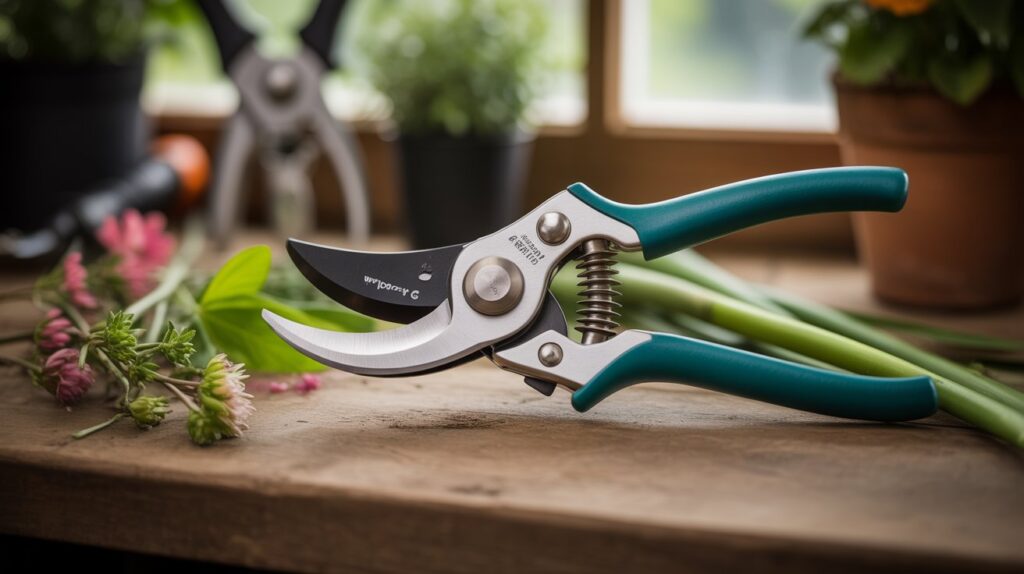
Bypass shears are the most popular option for general gardening. They feature two sharp blades that slide past each other to create a clean and precise cut. This design makes them ideal for trimming live plants, flowers, and delicate stems. They are also preferred by professionals because they offer excellent accuracy and minimal damage to plant tissue. Many high-quality garden hand pruners fall into this category.
2. Anvil Pruning Shears
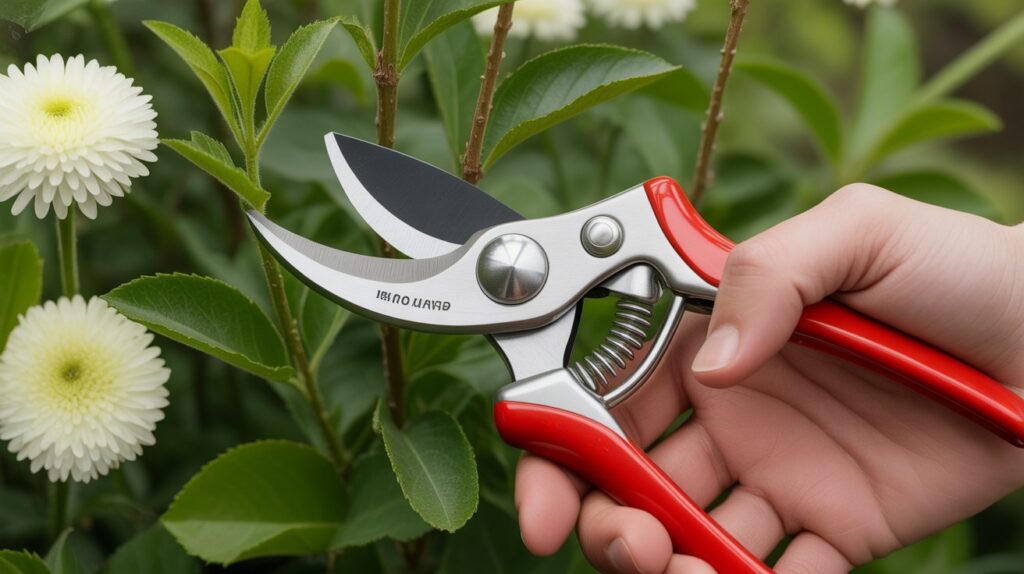
Anvil shears use one sharp blade that closes against a flat metal surface. This style is best suited for cutting dry, dead, or thick branches. Although they do not provide the same precision as bypass shears, they offer strong cutting power and are useful for tougher gardening tasks. Anvil shears are often included in sets of professional pruning tools because of their durability and performance.
3. Ratchet Pruning Shears
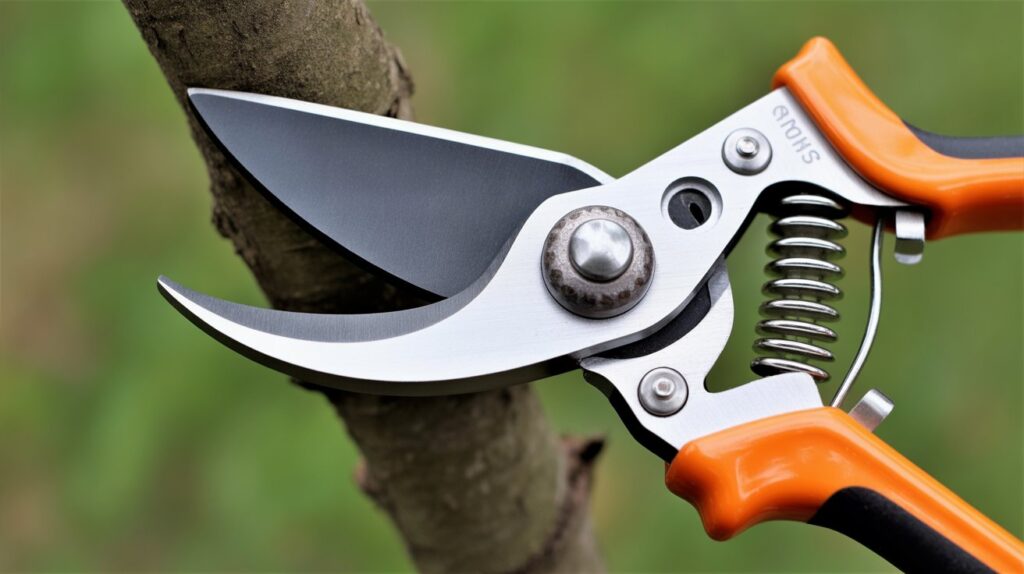
Ratchet shears include a built-in mechanism that increases cutting strength. This feature allows users to cut thicker branches with less effort. They are especially helpful for those who want ergonomic garden shears that reduce hand strain during extended use. The ratchet system also contributes to safer, controlled cutting, making them valuable plant trimming tools for home gardeners.
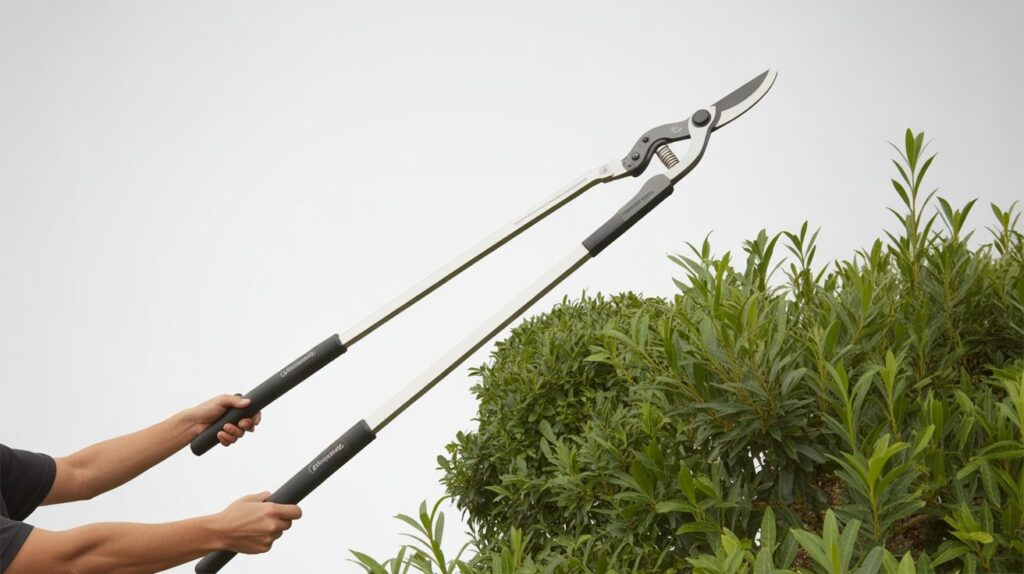
4. Long-Reach Pruning Shears
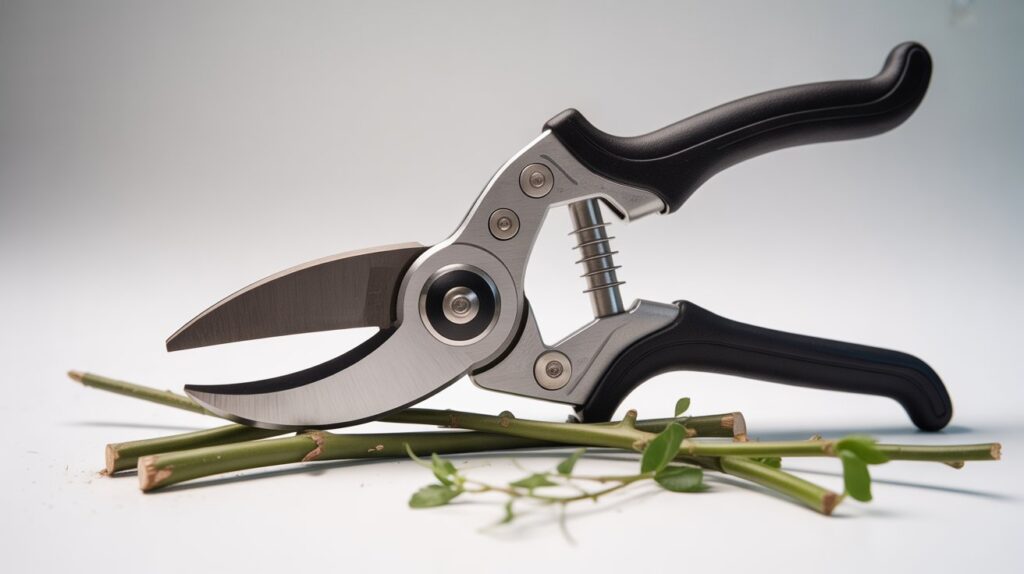
Long-reach shears are designed with extended handles, offering the ability to trim high or hard-to-reach areas without using a ladder. These shears are useful for shaping shrubs and maintaining taller plants. Their design supports efficient plant care equipment, especially for outdoor areas with dense foliage.
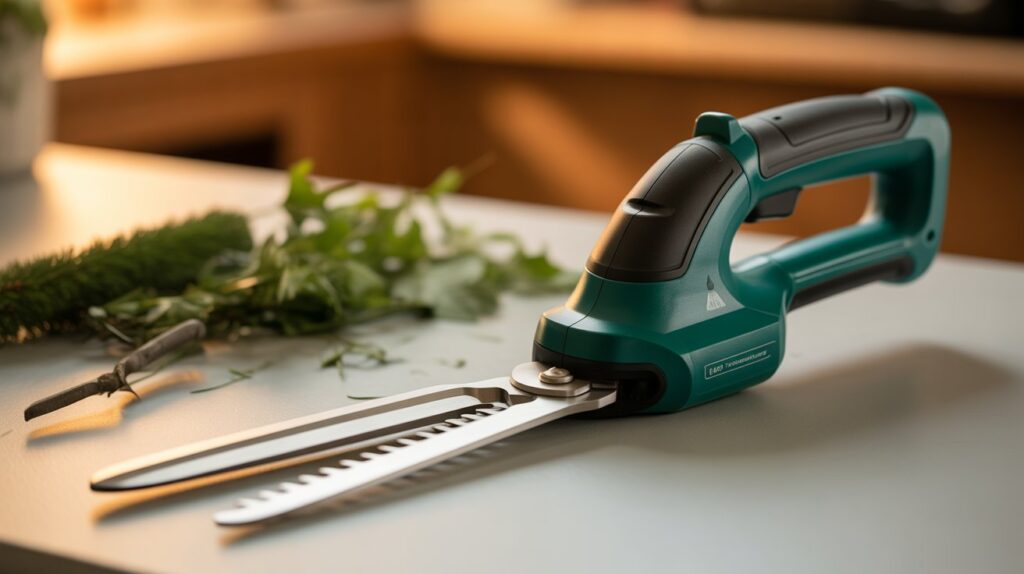
5. Power-Assisted Pruning Shears
These include electric or battery-powered shears that reduce manual effort. They are suitable for frequent or large-scale trimming tasks. Power-assisted models provide consistent performance and are often considered advanced horticulture cutting tools. While they may cost more, they offer excellent value for gardeners seeking convenience and speed.
Blade Quality and Material
The blade quality and material play a decisive role in determining which tools qualify as the best garden pruning shears. High-quality blades ensure clean cuts, long-term durability, and reliable performance. Understanding the differences in blade materials helps gardeners choose the most efficient garden maintenance tools for consistent plant care.
1. Stainless Steel Blades
Stainless steel blades are widely preferred in many garden hand pruners due to their rust resistance and smooth cutting ability. These blades remain sharp for a long time and require minimal maintenance. Their corrosion-resistant nature makes them ideal for outdoor use where moisture is common. Stainless steel is a dependable choice for users seeking durable garden cutters that support everyday gardening tasks.
2. High-Carbon Steel Blades
High-carbon steel blades are known for exceptional sharpness and strength. They offer precise and clean cuts, making them effective for shaping plants and trimming small branches. Although they may require regular cleaning to prevent rust, they remain a top option among professional pruning tools due to their superior edge retention. This material is especially suitable for gardeners who value precision pruning blades and long-lasting performance.
3. Titanium-Coated Blades
Titanium-coated blades provide a combination of strength and resistance to wear. The coating enhances the hardness of the blade and reduces friction during cutting. As a result, these blades glide smoothly through stems and branches, supporting efficient trimming. Many premium models of high-quality pruning shears use titanium coatings to ensure durability and reliability during frequent use.
4. Non-Stick Coated Blades
Some pruning shears include a non-stick coating that prevents sap and residue from sticking to the blade. This feature supports cleaner cuts and easier maintenance. It is especially beneficial when working with plants that produce sticky sap. Non-stick coatings enhance the overall performance of plant trimming tools, allowing gardeners to work continuously without interruption.
5. Sharpening Requirements
All blade types require occasional sharpening to maintain cutting efficiency. Sharp blades protect plant health by ensuring smooth and accurate cuts. Regular maintenance also extends the lifespan of the shears, improving the value of these essential horticulture cutting tools.
Cutting Capacity
Cutting capacity is one of the most important factors to consider when selecting the best garden pruning shears. It determines the thickness of branches the tool can cut efficiently without causing strain or damage. A suitable cutting capacity ensures smooth trimming, precise shaping, and reliable performance during regular garden maintenance.
1. Standard Cutting Capacity
Most garden hand pruners are designed to cut branches between 0.5 inches and 1 inch in diameter. This range is suitable for everyday plant care, including flowers, herbs, and young stems. For general use, this standard capacity is sufficient and supports efficient trimming with minimal effort.
2. High-Capacity Pruning Shears
Gardeners who work with thicker branches may require shears with a cutting capacity of 1 inch or more. These tools are commonly found in professional pruning tools and are engineered for strength and durability. They allow users to trim tougher stems while maintaining clean and accurate cuts, which is essential for plant health.
3. Influence of Blade Material on Capacity
Blade quality directly affects cutting capacity. High-carbon steel, titanium-coated, and stainless steel blades deliver stronger cutting power and improved edge retention. These materials enhance the performance of high-quality pruning shears, ensuring consistent results even when dealing with denser plants.
4. Role of Handle Design and Mechanisms
Cutting capacity also depends on the handle structure and internal mechanisms. Tools with ergonomic handles provide better leverage, allowing users to cut thicker branches with reduced hand strain. Ratchet mechanisms and power-assisted models increase cutting force, making them effective plant trimming tools for gardeners who prioritize comfort and efficiency.
5. Matching Capacity to Garden Needs
Choosing the right cutting capacity depends on the type of plants being maintained. For flowers, herbs, and thin stems, standard capacity shears are sufficient. For shrubs, fruit trees, and mature branches, higher-capacity horticulture cutting tools offer better performance. Matching the tool to the garden’s requirements ensures consistent and healthy plant growth.
Handle Design and Comfort
Handle design plays a major role in determining which tools qualify as the best garden pruning shears. Comfortable and well-designed handles improve control, reduce hand fatigue, and support efficient trimming during long gardening sessions. Selecting the right handle style ensures smoother use of essential garden maintenance tools and enhances overall productivity.
1. Ergonomic Handle Shape
Ergonomic handles are designed to fit naturally in the hand, allowing users to prune plants with minimal strain. Many ergonomic garden shears feature curved or contoured grips that promote proper hand alignment. This design reduces pressure on the fingers and wrist, which is important for gardeners who trim regularly.
2. Non-Slip Grip Materials
Handles made from rubber, silicone, or textured materials provide a secure and stable grip. A non-slip surface ensures safe handling, even when working with moisture, sap, or sweat. These grip features are common in high-quality pruning shears and help maintain accuracy when shaping plants or trimming small branches.
3. Cushioned Padding for Comfort
Some handles include cushioned padding to reduce vibration and impact during cutting. This feature adds comfort and helps prevent hand fatigue, especially during extended use. Cushioned grips support better control of plant trimming tools, allowing users to work longer without discomfort.
4. Spring-Assisted Handles
A smooth spring mechanism positioned between the handles helps the blades reopen automatically after each cut. This reduces effort and improves cutting speed. Spring-assisted handles are commonly found in advanced professional pruning tools, offering efficiency and comfort in repeated cutting tasks.
5. Handle Length and Leverage
Longer handles provide additional leverage, making it easier to cut thicker branches. Shorter handles allow for better precision and control when trimming delicate plants. Choosing the right handle length depends on the specific needs of the garden and supports effective use of horticulture cutting tools.
6. Safety Lock Mechanisms
Many pruning shears include a secure locking system integrated into the handle. This feature prevents accidental opening when the tool is not in use. A reliable lock enhances the safety and convenience of garden hand pruners, especially during storage or transportation.
Durability and Build Quality
When searching for the best garden pruning shears, durability and build quality are critical factors to consider. A well-constructed tool ensures long-lasting performance, consistent cutting efficiency, and reduced maintenance over time. Investing in sturdy pruning shears not only improves gardening results but also provides value for money.
1. Material Strength
The durability of pruning shears largely depends on the materials used in both the blade and handle. High-carbon steel and stainless steel blades are renowned for their strength, resistance to wear, and longevity. Handles made from reinforced plastic, aluminum, or lightweight steel offer structural integrity while remaining comfortable for extended use. High-quality garden hand pruners combine these materials to provide a reliable, robust tool suitable for everyday gardening.
2. Construction and Design
Precision in construction plays a significant role in build quality. Tools with tight assembly, secure blade alignment, and smooth spring mechanisms provide consistent performance. Ergonomic designs reduce hand fatigue and distribute pressure evenly during cutting. These features make ergonomic garden shears not only durable but also user-friendly for long gardening sessions.
3. Resistance to Rust and Corrosion
Exposure to moisture and sap can compromise pruning tools. The best garden pruning shears often include rust-resistant coatings or treated blades to prevent corrosion. Non-stick or titanium-coated blades further enhance durability by maintaining sharpness and smooth operation over time. Such plant care equipment ensures consistent functionality with minimal maintenance.
4. Mechanical Reliability
Durable pruning shears maintain smooth cutting action even after frequent use. Ratchet mechanisms, spring systems, and locking features should operate reliably to prevent breakage or misalignment. Tools that combine strong materials with precision engineering deliver optimal performance for both amateur and professional gardeners.
5. Long-Term Value
Choosing pruning shears with superior build quality reduces the need for frequent replacements. Durable shears provide a higher return on investment by supporting efficient trimming, clean cuts, and safe handling. For anyone seeking professional pruning tools, focusing on durability and craftsmanship ensures both effective and enjoyable gardening.
Maintenance and Ease of Cleaning
Proper maintenance and ease of cleaning are essential when selecting the best garden pruning shears. Regular care ensures that blades remain sharp, mechanisms function smoothly, and the tool lasts for years. Well-maintained pruning shears improve cutting efficiency and prevent damage to plants, making them an indispensable part of any gardener’s plant care equipment.
1. Cleaning After Use
After each use, it is important to remove sap, dirt, and plant residue from the blades. Wiping the blades with a damp cloth and mild detergent prevents buildup that can reduce cutting efficiency. For sticky sap, a soft brush or specialized cleaning solution can be used. Clean blades maintain the performance of high-quality pruning shears and reduce the risk of rust.
2. Lubrication and Moving Parts
Regular lubrication of pivot points and springs ensures smooth operation and prevents mechanical wear. Using a light machine oil or specialized gardening lubricant keeps professional pruning tools functioning optimally. Proper lubrication reduces friction, enhances the lifespan of the pruning shears, and allows for effortless cutting of branches.
3. Sharpening Blades
Even the best garden pruning shears will eventually require sharpening. Sharp blades provide clean, precise cuts, which are essential for healthy plant growth. Gardeners should use a sharpening stone or specialized tool designed for pruning blades. Maintaining a sharp edge also prolongs the life of the blade and ensures consistent performance for plant trimming tools.
4. Storage Considerations
Storing pruning shears in a dry, safe location prevents rust and accidental damage. Tools with locking mechanisms should be secured when not in use to ensure safety. Using a dedicated storage box or hanging the shears on a hook helps maintain their shape and integrity, extending the life of these horticulture cutting tools.
5. Routine Inspection
Regularly inspecting blades, springs, and handles allows gardeners to detect wear or damage early. Replacing worn parts promptly prevents further issues and keeps the pruning shears operating efficiently. Routine care ensures that durable garden cutters remain reliable for years, making gardening easier and safer.
Spring Mechanism
The spring mechanism is a critical feature when evaluating the best garden pruning shears. It directly affects the ease of use, efficiency, and comfort during cutting. A well-designed spring system allows gardeners to trim plants smoothly while reducing hand fatigue, making it a vital component of high-quality plant trimming tools.
1. Role of the Spring Mechanism
The spring mechanism helps automatically reopen the blades after each cut. This reduces the effort required to open and close the shears manually, allowing for continuous trimming without excessive strain. Tools with a smooth and responsive spring mechanism are often preferred by gardeners seeking ergonomic garden shears.
2. Types of Springs
There are generally two types of spring mechanisms found in pruning shears:
- Coil Springs: Compact and strong, coil springs are durable and provide consistent tension for repeated use.
- Flat Springs: Wider and easier to replace, flat springs distribute force evenly, enhancing control and stability.
Both types are effective when paired with high-quality blades and handles, contributing to the overall performance of professional pruning tools.
3. Adjustability and Tension Control
Some pruning shears allow users to adjust the tension of the spring. This feature ensures that the tool matches individual hand strength and cutting needs. Adjustable springs make durable garden cutters versatile and suitable for various plants, from thin flowers to thicker shrubs.
4. Maintenance of the Spring Mechanism
Proper care of the spring system prolongs the life of the shears. Regular cleaning, lubrication, and inspection prevent rust, misalignment, or wear. Ensuring smooth operation helps maintain the efficiency of horticulture cutting tools, making trimming tasks easier and safer.
5. Importance for Hand Comfort
A reliable spring mechanism significantly improves ergonomics. By reducing the effort needed to reopen the blades, it prevents hand fatigue during long gardening sessions. This makes pruning more comfortable and allows gardeners to maintain precision and control throughout their work.
Best Uses for Each Type of Pruning Shears
Selecting the best garden pruning shears involves understanding which type is most suitable for specific gardening tasks. Each pruning shear has unique features that make it ideal for certain plants, branches, and trimming techniques. Using the right tool ensures efficient work, healthy plant growth, and long-lasting performance.
1. Bypass Pruning Shears
Bypass shears are ideal for cutting live plants, flowers, and thin stems. Their sharp, overlapping blades make clean cuts that prevent damage to plant tissue. These shears are perfect for gardeners who frequently perform plant trimming tasks or maintain delicate flowers and herbs. They are a top choice for both home gardening and professional horticulture cutting tools.
2. Anvil Pruning Shears
Anvil shears are best suited for cutting dry, dead, or thick branches. The single sharp blade that presses against a flat surface delivers powerful cuts with minimal effort. They are commonly used for pruning woody stems, shrubs, and dead branches. Anvil shears are recommended for gardeners seeking durable garden cutters for tougher pruning tasks.
3. Ratchet Pruning Shears
Ratchet shears excel at cutting thicker branches with reduced hand strain. Their ratcheting mechanism allows users to cut in multiple stages, providing increased leverage for hard-to-cut branches. They are especially useful for trimming shrubs, small trees, and medium-diameter branches. Gardeners looking for ergonomic garden shears or high-quality pruning tools will find ratchet models highly effective.
4. Long-Reach Pruning Shears
Long-reach shears are designed for trimming high branches or hard-to-access areas without using a ladder. They are ideal for maintaining tall shrubs, fruit trees, and hedges. The extended handles provide leverage, making them an essential part of plant care equipment for outdoor gardening tasks.
5. Power-Assisted Pruning Shears
Electric or battery-powered pruning shears are perfect for frequent trimming or large gardens. They provide consistent cutting performance and minimize hand fatigue. These tools are suited for gardeners handling multiple shrubs, hedges, or larger plants. They combine the convenience of modern technology with the reliability of professional pruning tools.
Final Recommendation
The best garden pruning shears are those that combine sharp, durable blades, ergonomic handles, and reliable spring mechanisms. For everyday trimming, bypass shears are ideal, while anvil or ratchet shears are better for thicker branches. Long-reach and power-assisted models are perfect for tall or large gardens. Choosing high-quality, rust-resistant, and easy-to-maintain tools ensures efficiency, comfort, and long-term performance for all gardeners.
Conclusion
Selecting the best garden pruning shears is essential for efficient gardening, precise trimming, and healthy plant growth. Understanding the different types, blade materials, cutting capacities, and ergonomic designs helps gardeners choose tools that suit their specific needs. High-quality garden hand pruners with durable blades, smooth spring mechanisms, and comfortable handles not only make pruning easier but also ensure long-term reliability.
Regular maintenance, proper cleaning, and correct usage further enhance the lifespan and performance of these plant trimming tools. Whether you are a home gardener or a professional, investing in the right pruning shears improves productivity, protects plants, and provides a safe and enjoyable gardening experience. Ultimately, the right choice balances durability, efficiency, and comfort, making every gardening task more effective.
Top Five FAQS
Q.1 What is the best brand of pruning shears?
Some of the most highly recommended brands for pruning shears include:
Felco – Known for durability, precision, and ergonomic design; often considered the top choice for professional gardeners.
Corona – Offers a wide range of garden hand pruners that are affordable yet reliable.
ARS – Japanese brand known for sharp, high-quality blades and smooth operation.
Fiskars – Provides lightweight, ergonomic pruning tools suitable for home gardeners.
Q.2 What is the best material for pruning shears?
The material of the blades and handles affects performance and durability:
Blades:
High-carbon steel – Extremely sharp, strong, and long-lasting, ideal for precise cuts.
Stainless steel – Rust-resistant and easy to maintain, suitable for general gardening.
Titanium-coated blades – Extra durability and smooth cutting with reduced friction.
Handles:
Aluminum – Lightweight and strong.
Reinforced plastic – Durable and ergonomic.
Rubber-coated handles – Provide comfort and non-slip grip.
Recommendation: High-carbon steel blades with ergonomic, rust-resistant handles offer the best combination of durability, precision, and comfort
Q.3 What is the best brand of shears?
For general gardening shears (not just pruning), top brands include:
Felco – Best for professional use.
ARS – High-quality Japanese shears with precise blades.
Fiskars – Lightweight and user-friendly for home gardeners.
Corona – Affordable, durable, and widely available.
Recommendation: Felco or ARS for professional pruning; Fiskars for casual or home gardening.
Q.4 What are the 5 rules of pruning trees?
Proper pruning ensures tree health and growth. The five essential rules are:
Remove Dead or Diseased Branches First – Always cut out damaged or infected parts to prevent disease spread.
Cut at the Right Angle – Make clean cuts just outside the branch collar to allow proper healing.
Thin, Don’t Topping – Remove small branches to improve air circulation and light penetration, rather than cutting large branches indiscriminately.
Use the Right Tools – Select the appropriate pruning shears or saws depending on branch thickness.
Don’t Over-Prune – Avoid removing more than 25–30% of the tree canopy in a single season to prevent stress.
Q.5 What are the best Japanese pruning shears?
Japanese pruning shears are known for precision and sharpness. Top options include:
ARS LP-15 – Lightweight, extremely sharp, and durable; great for detailed pruning.
ARS HP-VS8 – Ergonomic and designed for heavy-duty trimming with minimal hand strain.
Okatsune 103 – Premium Japanese shears for professional gardeners; high-carbon steel and precise cutting edge.
Recommendation: ARS LP-15 and Okatsune 103 are among the best Japanese pruning shears for precision, durability, and comfort.