
Introduction
A sliding table saw is a valuable tool for woodworkers who require accurate, smooth, and controlled cutting performance. This guide provides a clear explanation of how the machine works, the key features to consider, and the factors that influence its precision and durability. Whether used in a small workshop, a professional studio, or an industrial environment, a sliding table saw offers the stability and efficiency needed to achieve high-quality results. This article will help you understand its functions, compare different options, and choose the best model for your woodworking needs.
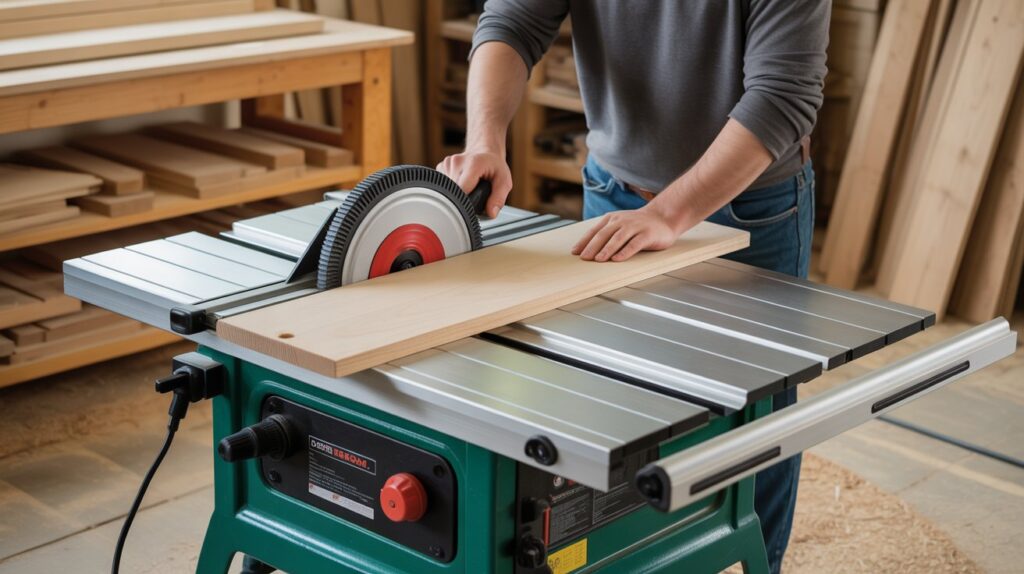
Table of Contents
What Is a Sliding Table Saw?
A sliding table saw is a specialized woodworking machine designed to make accurate and smooth cuts in large panels and solid wood. The defining feature of a sliding table saw is its sliding carriage, which moves the workpiece past the blade instead of pushing the material manually. This system increases precision, stability, and control during cutting.
The sliding table saw is commonly used in professional workshops, cabinet-making shops, and industrial woodworking facilities. It allows users to perform crosscuts, rip cuts, and angled cuts with consistent accuracy. Compared to a traditional table saw, a sliding table saw offers better handling of wide or long materials and reduces user fatigue.
How a Sliding Table Saw Works in Woodworking
A sliding table saw works by allowing the operator to move the material smoothly along a sliding table while the saw blade remains stationary. This mechanism ensures precise cuts, especially for large panels and long boards that are difficult to handle on a standard table saw.
The sliding table supports the workpiece and glides on rails parallel to the blade. The operator can guide the material accurately through crosscuts, rip cuts, and angled cuts without shifting or lifting it. Most sliding table saws also include a fence system, which stabilizes the material and maintains consistent cutting angles.
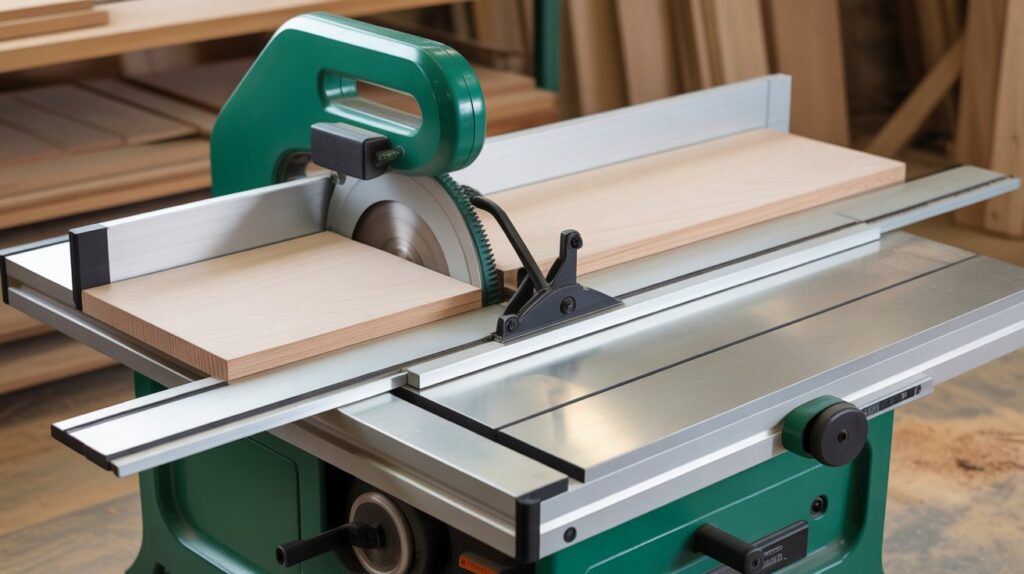
In woodworking, the sliding table saw is essential for achieving clean edges and uniform dimensions. Its design reduces manual effort and improves efficiency, making it suitable for both professional workshops and industrial applications.
Key Features of the Best Sliding Table Saw
When selecting a sliding table saw, understanding its key features is essential to ensure precision, efficiency, and safety. Below are the main features that define the best sliding table saw for woodworking.
1. Sliding Table Mechanism
The sliding table is the most important component of a sliding table saw. A smooth and stable sliding carriage ensures accurate cuts and supports large panels or long boards. High-quality rails and low-friction mechanisms improve control and reduce wear over time.
2. Blade Size and Cutting Capacity
The blade size directly affects the cutting capacity. The best sliding table saws come with adjustable blades capable of handling thick and wide materials. Look for saws that provide both crosscut and rip cut capabilities with precise depth and angle adjustments.
3. Motor Power and Performance
A powerful motor ensures consistent performance when cutting hard or dense wood. Professional sliding table saws typically have motors ranging from 2 to 5 horsepower, providing enough power for industrial or workshop use.
4. Fence System
An accurate and adjustable fence system is essential for precise cuts. The fence guides the material parallel to the blade, preventing deviations and maintaining uniformity in repeated cuts.
5. Safety Features
Safety is critical in woodworking. The best sliding table saws include blade guards, emergency stop buttons, and riving knives to prevent kickback. Proper safety mechanisms reduce the risk of accidents during operation.
6. Dust Collection System
Efficient dust extraction is vital to maintain a clean workspace and protect the operator. High-quality sliding table saws have built-in ports for dust collection systems, reducing airborne sawdust and keeping the workshop safe.
7. Build Quality
Durable construction and high-quality materials improve the longevity of the saw. A rigid frame minimizes vibration, providing cleaner cuts and more accurate results.
Cutting Capacity and Precision Performance
The cutting capacity and precision performance of a sliding table saw determine its efficiency and suitability for professional woodworking tasks. A high-quality sliding table saw can handle large panels, thick boards, and precise cuts with minimal effort.
1. Cutting Capacity
Cutting capacity describes the largest width and thickness of material that the sliding table saw is able to cut effectively. A professional sliding table saw offers wide rip cuts and deep crosscuts, making it ideal for woodworking machinery applications such as cabinet making or furniture production. The sliding table design allows large panels to move smoothly past the blade, ensuring consistent results.
2. Precision and Accuracy
Precision is a key feature of the best sliding table saws. The sliding carriage mechanism, combined with an adjustable fence system, provides accurate alignment for crosscuts, rip cuts, and angled cuts. Blade angle adjustments and fine calibration of the fence system enhance cutting accuracy and repeatability, which is essential in industrial and professional woodworking.
3. Factors Affecting Performance
The motor power, build quality, and sliding table stability directly influence cutting precision. Heavy-duty sliding table saws with rigid frames minimize vibration and maintain smooth operation. Consistent power from the motor ensures clean edges and precise dimensions on every cut.
4. Applications
Sliding table saws with high cutting capacity and precision performance are used in professional workshops, furniture manufacturing, and industrial woodworking. They are especially valuable when working with large panels, plywood sheets, or hardwood boards that require accurate crosscutting and ripping.
Motor Power and Industrial Performance Levels
The motor power of a sliding table saw plays a central role in determining its cutting strength, speed, and overall industrial performance. A reliable motor ensures smooth operation, consistent results, and the ability to work with dense or heavy materials used in professional woodworking.
1. Importance of Motor Power
A powerful motor allows the sliding table saw to maintain steady blade speed during demanding cuts. Industrial sliding table saws typically range from 2 to 5 horsepower, providing enough force to cut hardwood, large panels, and thick boards without slowing down. This level of power supports continuous use in workshops and manufacturing environments.
2. Performance in Industrial Applications
In industrial settings, performance must remain consistent throughout long work periods. A heavy-duty sliding table saw delivers stable cutting action, reduced vibration, and reliable output. The combination of strong motor power and a rigid frame ensures clean, accurate cuts that meet professional standards.
3. Efficiency and Durability
Motor efficiency affects energy usage and long-term durability. High-quality motors generate smooth rotation and minimize heat buildup during extended operation. This enhances the lifespan of the machine and maintains precision cutting performance.
4. Matching Power to Work Requirements
Selecting the right motor power depends on the intended use. Light woodworking tasks may require lower power, while industrial production and cabinet manufacturing demand higher horsepower for continuous operation. Matching the motor to the workload ensures optimal cutting capacity and reliable performance.
Build Quality and Sliding Table Construction
The build quality and sliding table construction of a sliding table saw have a direct impact on its durability, accuracy, and long-term performance. A well-built machine ensures stable operation and precise cutting results in professional and industrial woodworking environments.
1. Frame Strength and Material Quality
A strong frame is essential for maintaining stability during cutting. High-quality sliding table saws are built with heavy steel or cast iron components to reduce vibration and support consistent cutting accuracy. Durable construction also increases the lifespan of the saw, making it suitable for continuous workshop use.
2. Sliding Table Design
The sliding table is the core feature of a sliding table saw. A smooth, balanced, and rigid sliding carriage ensures reliable movement of large panels and solid wood. Precision rails, low-friction bearings, and secure locking systems allow the operator to glide the workpiece past the blade with control and accuracy.
3. Alignment and Stability
Proper alignment between the sliding table, fence system, and saw blade is essential for accurate cuts. High-quality machines offer micro-adjustment features that help maintain perfect alignment over time. Stable construction prevents shifting during cutting, supporting precise crosscutting and ripping tasks.
4. Comparison to Standard Table Saws
Unlike a traditional cabinet saw, a sliding table saw provides enhanced support for wide materials and offers superior handling. Its advanced construction makes it a preferred option in professional woodworking machinery setups where precision and repeatability are required.
5. Long-Term Reliability
Reliable build quality ensures that the sliding table saw performs consistently even with frequent use. Rigid construction, durable components, and smooth sliding action contribute to long-term precision and reduced maintenance requirements.
Safety Features and Workshop Safety Practices
Safety is an essential part of operating a sliding table saw. Proper safety features and responsible workshop practices reduce the risk of accidents and support smooth woodworking operations.
1. Essential Safety Features
A high-quality sliding table saw includes blade guards, riving knives, and emergency stop controls. These features prevent kickback, protect the operator, and allow immediate shutdown during unexpected situations. Stable fence systems and secure locking mechanisms further increase operational safety.
2. Safe Operating Practices
Proper workshop practices are just as important as machine features. Operators should maintain a clear workspace, use push tools when necessary, and wear protective equipment. Regular inspection of the blade, fence alignment, and sliding table ensures reliable and safe performance.
3. Risk Reduction in Woodworking
A professional sliding table saw reduces manual handling of large panels, lowering strain and improving overall safety. Smooth sliding table movement and controlled cutting paths help maintain accuracy while keeping hands away from the blade.
8. Dust Collection and Workplace Cleanliness
Dust control is a necessary part of operating woodworking machinery, especially when using a sliding table saw. Effective dust extraction supports health, visibility, and machine performance.
1. Importance of Dust Collection
A dust extraction system removes sawdust from the cutting area, improving air quality and preventing buildup around the blade. This reduces the risk of overheating and maintains clear visibility during cutting.
2. Built-In Dust Ports
Most industrial sliding table saws include built-in dust ports that connect directly to workshop dust collectors. These systems capture fine particles and keep the workspace clean, especially when cutting large panels or hardwood.
3. Clean and Safe Workspace
A clean workshop enhances safety and productivity. Removing dust prevents slipping hazards, supports accurate marking and measuring, and ensures consistent performance of the sliding table and fence system.
Sliding Table Saw Comparison for Different Users
Different woodworking needs require different types of sliding table saws. Comparing features helps identify the right model for each level of use.
1. Beginners and Small Workshops
Beginners benefit from compact and affordable sliding table saw models. These machines offer basic cutting capacity, essential safety features, and smooth operation suitable for standard woodworking tasks.
2. Professional Woodworkers
Professional sliding table saws provide stronger motors, advanced fence systems, and precise sliding tables. These saws support continuous use and maintain consistent accuracy for furniture making, cabinetry, and detailed projects.
3. Industrial Users
Industrial sliding table saws are designed for high-volume production. They offer heavy-duty construction, powerful motors, large cutting capacities, and advanced dust extraction suitable for manufacturing environments.
Sliding Table Saw Buying Guide
Selecting the best sliding table saw requires understanding key performance factors and matching them to your woodworking requirements.
1. Define Your Workload
The first step is identifying the type of work you will perform. Light woodworking requires moderate features, while professional or industrial applications need greater power and cutting capacity.
2. Evaluate Key Features
Consider blade size, motor power, sliding table quality, fence accuracy, and dust extraction. These features determine precision, efficiency, and safety.
3. Check Build Quality
A well-built sliding table saw with a rigid frame, durable materials, and smooth sliding rails ensures long-term reliability and consistent performance.
4. Consider Budget and Value
Affordable sliding table saw options are suitable for beginners, while higher-priced models offer advanced performance for professional use. Choose a model that balances cost with required features.
5. Read Reviews and Compare Models
Sliding table saw reviews help identify strengths and limitations of different models. Comparing specifications ensures you select a machine that fits your workshop needs.
Conclusion
A sliding table saw is an essential machine for achieving accurate, efficient, and safe woodworking results. Its powerful motor, smooth sliding table, stable construction, and advanced safety features make it suitable for both professional and industrial environments. By understanding cutting capacity, build quality, dust collection, and overall performance, woodworkers can select a model that meets their specific needs. Evaluating these factors ensures long-term reliability and consistent precision. With the right sliding table saw, every project becomes more efficient, controlled, and dependable.
FAQs About sliding table saw
1. What is a sliding table saw used for?
A sliding table saw is used for making accurate crosscuts, rip cuts, and angled cuts on large panels and solid wood. Its sliding table supports the workpiece and allows smooth movement past the blade, improving precision and control.
2. Is a sliding table saw suitable for beginners?
Yes, a sliding table saw can be used by beginners, especially models designed for small workshops. Its smooth sliding action and stable fence system make it easier to cut large panels safely and accurately when compared to traditional table saws.
3. What features should I look for when buying a sliding table saw?
Important features include motor power, sliding table construction, cutting capacity, fence accuracy, safety components, and dust collection. These factors determine the precision, durability, and overall performance of the sliding table saw.
4. What Is the Best Sliding Table Saw?
The best sliding table saw depends on the user’s specific needs, budget, and expected workload. A high-quality sliding table saw should offer strong motor power, smooth sliding table movement, an accurate fence system, and effective safety features. Professional and industrial models typically provide greater cutting capacity and durability, making them suitable for large panels and frequent use. For smaller workshops or hobby use, a mid-range sliding table saw with reliable performance and essential features may be ideal. Reading reviews and comparing specifications helps identify the best sliding table saw for your particular woodworking requirements.
5. What Is a Sliding Table Saw Attachment?
A sliding table saw attachment refers to an accessory or add-on that enhances the functionality of a sliding table saw. These attachments can include extended tables, outfeed supports, specialized fences, dado blade sets, or mobile bases. Attachments are designed to improve cutting support, increase material control, or expand the saw’s capabilities for specific tasks. Using well-built sliding table saw attachments can improve efficiency, accuracy, and safety during complex woodworking projects.