
Introduction
How is wood cut when ripping with a table saw is a common question among both beginners and experienced woodworkers. Ripping involves cutting wood lengthwise along the grain, creating straight and accurate boards for various projects. Understanding the proper technique, blade choice, and safety measures ensures that every cut is precise, efficient, and safe.
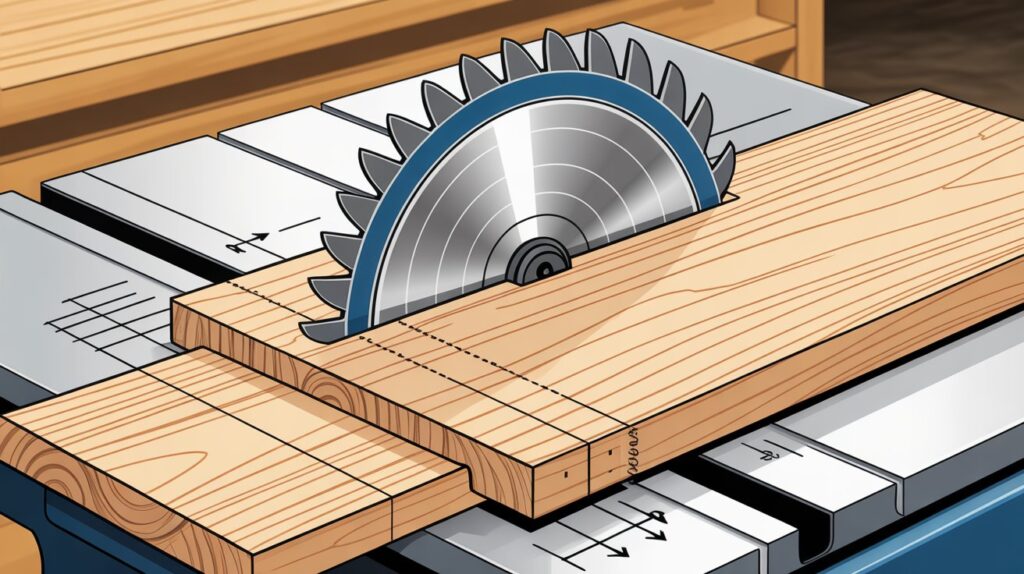
Table of Contents
What Does Ripping Wood on a Table Saw Mean?
Ripping wood on a table saw refers to cutting a board lengthwise, following the natural direction of the wood grain. This operation is designed to reduce the width of lumber while keeping the cut straight and consistent. Unlike crosscutting, which cuts across the grain, ripping focuses on separating wood fibers during rip cuts in a linear direction.
Difference Between Ripping and Crosscutting
The difference between ripping and crosscutting lies in how the blade interacts with the wood. During ripping, the saw blade works parallel to the grain, slicing through long fibers. In crosscutting, the blade cuts across those fibers. This distinction affects blade choice, feed pressure, and overall cut quality.
Table Saw Rip Cut Explained
A table saw rip cut is performed by pushing the wood forward while it remains firmly guided against the fence. Proper table saw fence alignment ensures the board moves straight, helping create clean edges. The feed direction on a table saw is always against the blade rotation, allowing the teeth to cut efficiently and safely.
Why Ripping Lumber Is Important
Ripping lumber with a table saw allows woodworkers to size materials accurately for projects such as cabinets, furniture, and framing. Using proper wood ripping techniques improves precision and helps achieve clean rip cuts without tear-out or burning. Understanding the direction of wood grain when ripping is key to smoother results and safer operation.
How Wood Is Cut During the Table Saw Ripping Process
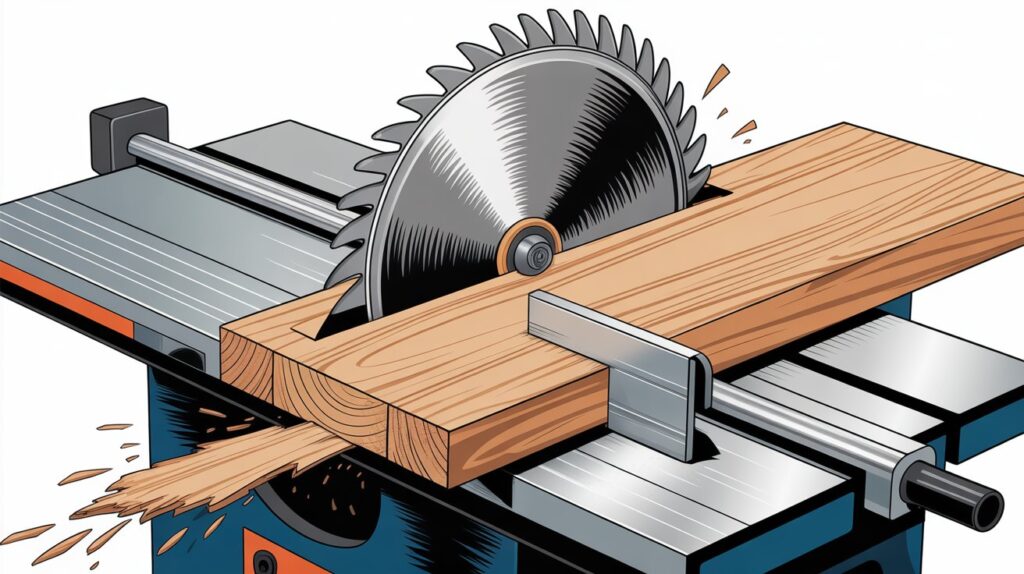
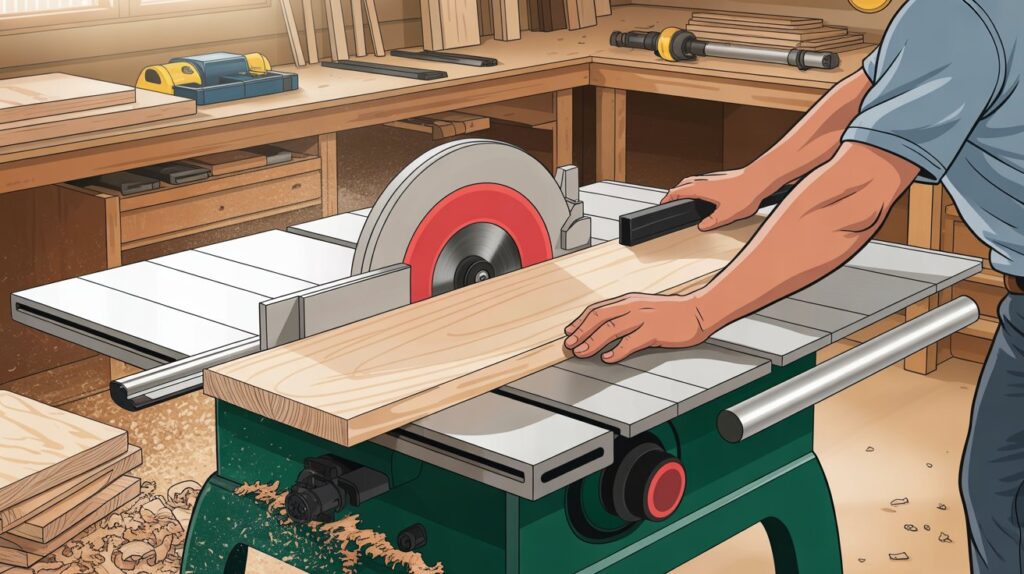
The table saw ripping process works by guiding the wood steadily into a rotating blade while the board remains aligned with the fence. As the blade spins, its teeth move upward at the front of the saw and slice through the material in a controlled motion. This action separates the board lengthwise, creating straight and uniform pieces.
How the Blade Interacts With the Wood
During rip cutting wood, the blade teeth travel parallel to the grain and split the wood fibers during rip cuts rather than tearing them. This is why ripping requires consistent feed pressure and proper blade design. The shape of the teeth allows them to clear material efficiently while maintaining a smooth edge.
Role of Blade Rotation and Feed Direction
Table saw blade rotation plays a critical role in how the cut is formed. The wood must be pushed in the correct feed direction on a table saw, which is against the blade’s rotation. This ensures the blade cuts cleanly and reduces the risk of binding or rough edges.
Guiding the Wood for Accurate Cuts
A precise cut depends on steady movement and proper guidance. Using correct wood ripping techniques and maintaining accurate table saw fence alignment keeps the board straight throughout the cut. When done correctly, this process produces clean rip cuts that require minimal finishing and provide reliable results for woodworking projects.
The Role of the Blade in Ripping Lumber With a Table Saw
The blade is the most critical component when ripping lumber with a table saw. Its design directly affects cut quality, efficiency, and safety. A blade made specifically for ripping is engineered to handle long, continuous cuts while maintaining smooth results.
How a Rip Blade Cuts Wood
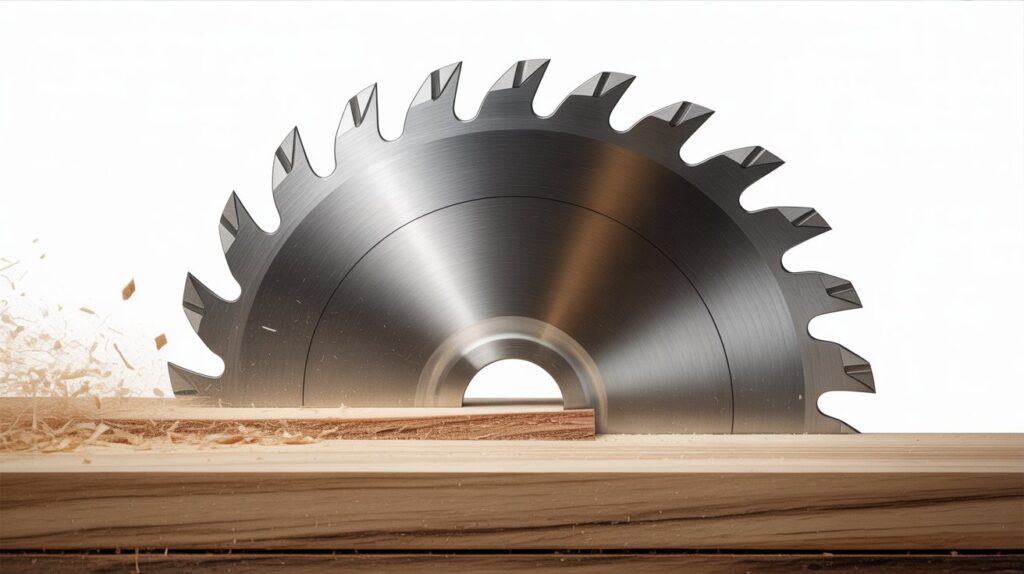
Understanding how a rip blade cuts wood helps explain why blade choice matters. Rip blades usually have fewer teeth with deeper gullets. This design allows them to remove material quickly while clearing chips effectively. As the blade moves through the board, it splits the wood fibers during rip cuts instead of tearing them, which results in straighter edges.
Tooth Design and Cutting Efficiency
The tooth shape plays a major role in rip cutting wood. Flat-top teeth are common on rip blades because they act like small chisels, efficiently separating fibers along the grain. Combined with proper table saw blade rotation, this design ensures the blade cuts cleanly without excessive resistance.
Blade Choice and Cut Quality
Using the correct blade improves clean rip cuts and reduces problems such as burning or binding. When paired with accurate table saw fence alignment and correct wood ripping techniques, the blade works smoothly through the material. Choosing the right blade is essential for consistent results and safe operation during any ripping task.
Direction of Wood Movement During Ripping Wood on a Table Saw
The direction and control of the board during ripping wood on a table saw are critical for achieving accurate and safe cuts. Proper movement ensures the blade slices the material efficiently while maintaining straight edges and preventing kickback.
Guiding the Wood Along the Fence
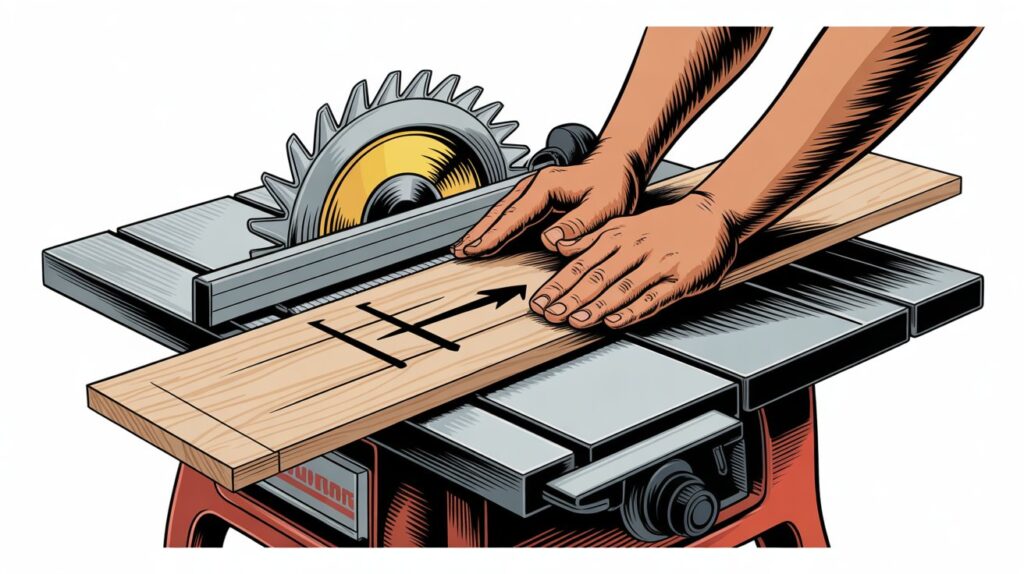
The wood must remain firmly against the table saw fence alignment throughout the cut. This prevents the board from drifting sideways, which can lead to uneven edges or binding. Keeping the wood flush with the fence ensures the feed direction on a table saw is consistent, allowing the blade to remove material smoothly.
Maintaining Steady Feed Pressure
Controlled pressure is essential when rip cutting wood. Feeding too fast may cause rough edges or strain the blade, while feeding too slowly can burn the wood. Using correct wood ripping techniques ensures the blade engages the wood fibers during rip cuts evenly, producing clean rip cuts every time.
Supporting Long or Wide Boards
For larger pieces, supporting the wood properly prevents sagging or twisting during the cut. This helps maintain a consistent table saw rip cut and reduces the risk of accidents. Proper support combined with correct direction of wood grain when ripping enhances precision and improves overall cut quality.
Safety Factors When Ripping Wood on a Table Saw
Safety is a top priority when ripping wood on a table saw, as improper technique or setup can lead to serious injuries. Understanding how the wood interacts with the blade and applying correct practices reduces risks while ensuring clean, precise cuts.
Preventing Kickback
One of the most common hazards is kickback, which occurs when the board is caught and thrown by the spinning blade. Maintaining proper table saw fence alignment and feeding the wood in the correct feed direction on a table saw helps prevent this. Using wood ripping techniques like steady, controlled pressure keeps the board moving smoothly through the blade.
Using Safety Tools
Essential tools enhance safety during rip cutting wood. A riving knife prevents the cut from closing on the blade, while push sticks keep hands away from the teeth. These tools, combined with accurate table saw rip cut setup, minimize the chance of accidents.
Proper Blade Handling and Maintenance
Ensuring the blade is sharp and suitable for ripping lumber with a table saw is critical. A dull or incorrect blade increases the risk of binding or rough cuts. Correct table saw blade rotation and understanding how a rip blade cuts wood help maintain control and produce clean rip cuts while reducing hazards.
Workspace Setup
Keeping the work area organized and free of obstacles improves safety and accuracy. Supporting long boards properly and maintaining a clear path along the direction of wood grain when ripping allows for steady feeding and reduces the chance of mishaps. Proper setup ensures both safety and efficiency during every cut.
Common Mistakes When Ripping Wood on a Table Saw
Even experienced woodworkers can make errors during ripping wood on a table saw that affect both safety and cut quality. Recognizing these mistakes can help prevent damage to materials, tools, and, most importantly, yourself.
Feeding Wood Too Fast or Too Slow
Pushing too quickly can cause rough edges or force the blade to bind, while feeding too slowly can overheat the blade and burn the wood. Using proper wood ripping techniques ensures consistent pressure, allowing the table saw rip cut to stay smooth and precise.
Using the Wrong Blade
Using a blade not designed for rip cutting wood can produce uneven surfaces or tear the wood fibers during rip cuts. Choosing a blade specifically designed for ripping lumber with a table saw ensures clean, efficient cuts.
Poor Fence Alignment
Incorrect table saw fence alignment causes boards to drift during the cut, leading to uneven widths and potential kickback. Ensuring the fence is perfectly parallel to the blade is essential for accuracy and safety.
Not Supporting Long Boards
Long or wide boards that are unsupported can tilt or bind during the cut. Proper support along the direction of wood grain when ripping helps maintain steady movement and prevents accidents. Using auxiliary supports keeps the wood stable throughout the table saw ripping process.
Ignoring Blade Maintenance
A dull or damaged blade increases the risk of rough cuts, burning, and binding. Regularly inspecting table saw blade rotation and sharpening teeth ensures smooth operation and clean rip cuts.
Tips for Clean and Accurate Rip Cutting Wood
Achieving smooth and precise results when rip cutting wood requires attention to technique, setup, and equipment. Following proper guidelines ensures efficient cuts, reduces material waste, and improves overall safety during ripping lumber with a table saw.
Set the Blade to the Correct Height
Proper table saw blade rotation and blade height are essential for clean rip cuts. The blade should extend slightly above the thickness of the wood—just enough to allow full penetration of the wood fibers during rip cuts without excessive exposure.
Use the Right Blade
Blades with fewer teeth and deeper gullets efficiently remove material along the grain. Choosing the right table saw rip cut blade ensures smoother cuts and prevents burning or binding.
Maintain Proper Fence Alignment
Accurate table saw fence alignment keeps the board moving straight during the cut. A properly aligned fence allows for consistent feed direction on a table saw and reduces the risk of drift, resulting in uniform width and edge quality.
Apply Consistent Feed Pressure
Controlled movement of the wood is key for precise rip cutting wood. Applying even pressure along the direction of wood grain when ripping helps the blade slice smoothly and produces clean rip cuts with minimal tear-out.
Support Long or Wide Boards
Supporting longer boards prevents sagging or twisting that can lead to binding or kickback. Using auxiliary supports or outfeed tables ensures stability during the table saw ripping process, improving accuracy and safety.
Regular Blade Maintenance
A sharp, well-maintained blade is critical. Inspecting teeth and ensuring proper table saw blade rotation reduces rough edges and improves efficiency. Consistent maintenance allows for smooth wood ripping techniques and extends the life of your tools.
Conclusion
Understanding how is wood cut when ripping with a table saw is essential for achieving precise, clean, and safe cuts in woodworking projects. By using the correct blade, maintaining proper table saw fence alignment, and applying proper wood ripping techniques, you can ensure smooth results every time. Paying attention to feed direction on a table saw, supporting long boards, and following safety practices reduces the risk of accidents and improves overall cut quality. With consistent practice and attention to detail, anyone can master the table saw ripping process and produce professional-quality clean rip cuts
Frequently Asked Questions(FAQs)
How does a table saw cut wood during a rip cut?
During a rip cut, the saw blade moves through the wood in the same direction as the grain. As the blade spins, it gradually splits the fibers while the board stays firmly guided along the fence for a straight result.
How is ripping different from crosscutting on a table saw?
Ripping reduces the width of a board by cutting along the grain, while crosscutting shortens the board by cutting across the grain. Each method requires a different approach and blade design.
Which table saw blade works best for ripping wood?
Blades designed for ripping usually have fewer teeth and wider spaces between them. This allows the blade to remove material smoothly and efficiently during long, straight cuts.
What causes burn marks when ripping wood on a table saw?
Burn marks often appear when the blade struggles to move through the wood. This can happen if the blade is dull, the wood is fed too slowly, or the fence is not properly aligned.
What are effective ways to avoid kickback while ripping wood?
Kickback can be reduced by keeping the wood tight against the fence, feeding it at a steady pace, using a riving knife, and pushing the board with proper safety tools instead of your hands.