
Introduction
Miter saw dust collection is a crucial part of any woodworking setup. Without proper dust control, sawdust can create health hazards, reduce cutting precision, and make your workspace messy. In this guide, we’ll explore the best systems, accessories, and pro tips to maximize dust capture, improve fine sawdust removal, and maintain a cleaner, safer shop.
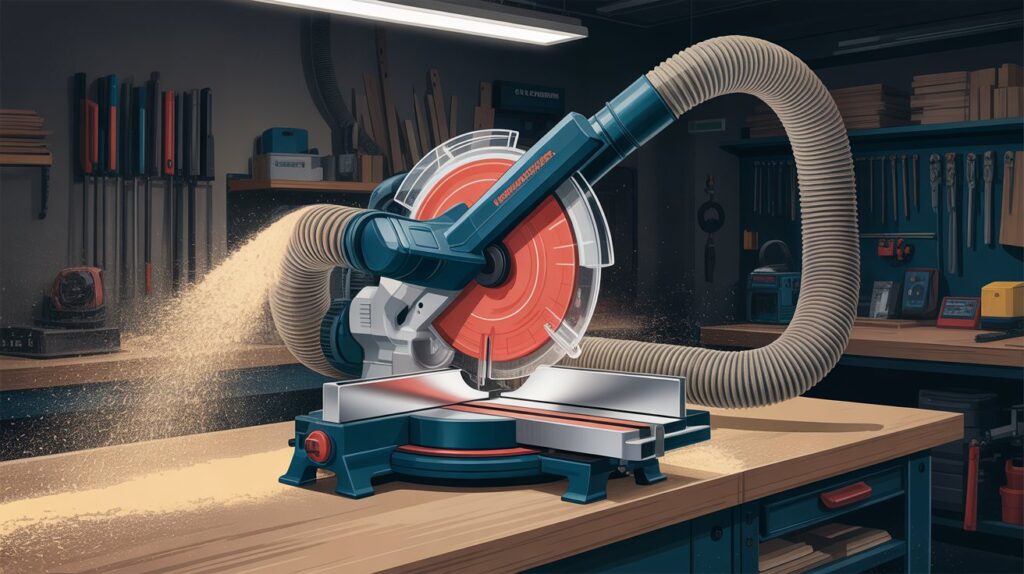
Table of Contents
Why Miter Saw Dust Collection Is Important?
Controlling sawdust is not just about keeping your workshop clean. A proper woodworking dust control strategy protects your health, improves cutting accuracy, and extends the life of your tools. Fine dust particles remain suspended in the air long after a cut is made, reducing workshop air quality and increasing the risk of respiratory problems. Using a HEPA filter vacuum system or a reliable portable dust collection system helps capture these particles before they spread.
Excess debris also affects performance. When fine sawdust builds up around the blade and fence, it can interfere with alignment and visibility. An efficient shop dust management system ensures consistent results by improving fine sawdust removal and maintaining a clear cutting line.
Productivity is another important factor. Without a proper sawdust containment solution, cleanup time increases and dust can spread to other tools. A setup that includes a high CFM dust extractor, correct dust collection hose size, and a cyclone dust separator significantly improves suction power and prevents clogging.
In short, investing in the right system reduces health risks, keeps your workspace organized, and supports long-term tool performance.
Types of Miter Saw Dust Collection Systems
Choosing the right system depends on your workspace size, budget, and the level of dust control you need. Below are the most common solutions used in a miter saw dust collection setup.
1. Shop Vacuum Systems
A shop vacuum is one of the most common and affordable options. It connects directly through a miter saw vacuum attachment and works well for small shops or portable jobsites. Pairing it with a dust port adapter improves airflow and reduces leakage. For better performance, select a unit with strong suction and proper dust collection hose size to prevent clogs.
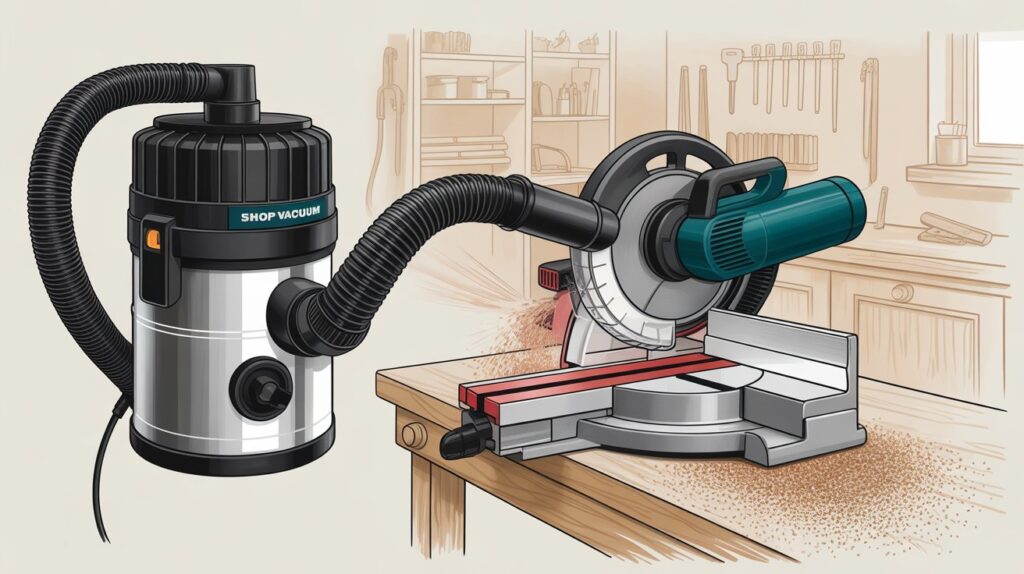
Many users upgrade their system by adding a cyclone dust separator, which captures debris before it reaches the filter. This improves efficiency and extends vacuum life.
2. Dedicated Dust Collectors
A full dust collector for miter saw setups is more powerful than a standard vacuum. These systems use higher airflow to improve fine sawdust removal and are ideal for larger workshops. A high CFM dust extractor moves greater air volume, capturing more airborne particles at the source.
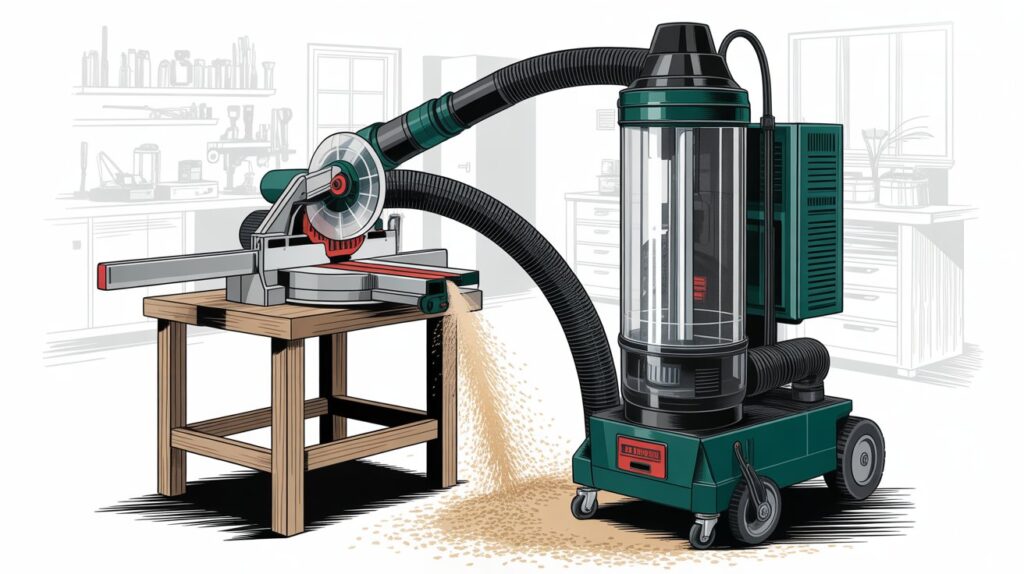
This option is often considered the best miter saw dust collection system for professionals who require consistent performance and improved woodworking dust control.
3. Dust Hoods and Containment Systems
A miter saw dust collection hood captures dust that escapes behind the blade. Because miter saws throw debris in multiple directions, adding a hood greatly improves miter saw dust collection efficiency. These systems act as a sawdust containment solution, guiding particles toward suction rather than allowing them to spread.
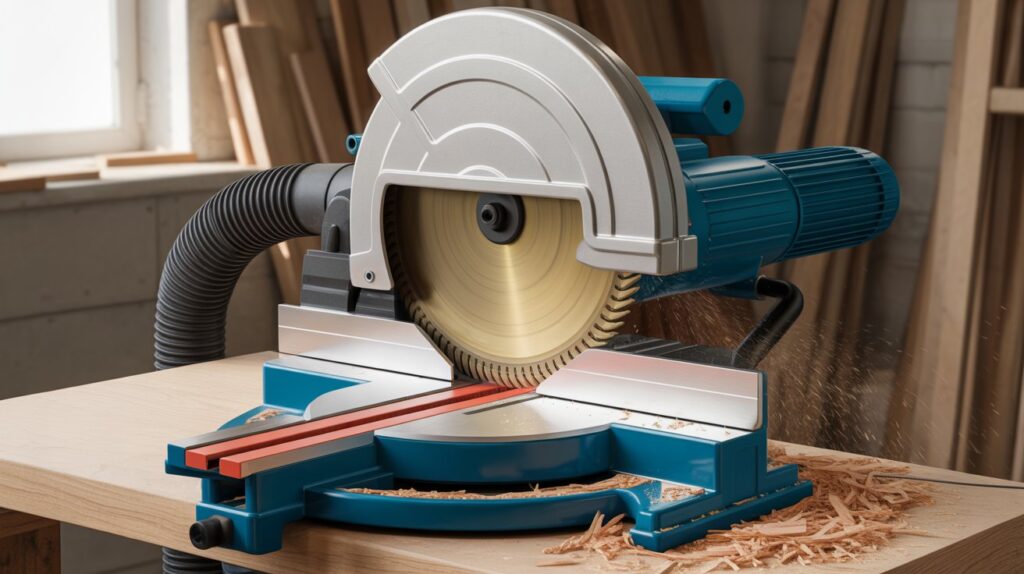
Dust hoods can be purchased commercially or built as part of DIY miter saw dust collection projects. Many woodworkers explore miter saw dust collection ideas to create custom enclosures that fit their space.
4. Hybrid and Portable Systems
Some workshops combine a vacuum, hood, and separator to create a complete shop dust management system. This approach improves workshop air quality while remaining flexible. A portable dust collection system is especially useful for contractors who move between job sites.
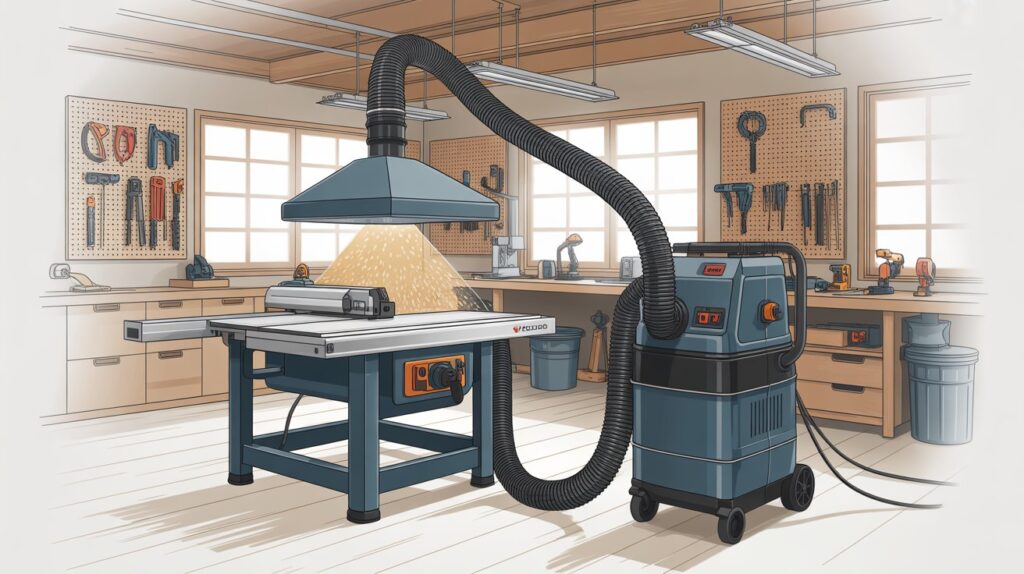
Each system has its advantages. The right choice depends on how much dust you produce, how often you cut, and the level of control you expect from your setup.
Why Miter Saws Create So Much Dust
Miter saws are designed with an open blade structure that allows material to be cut quickly and accurately. However, this open design also allows dust to spread freely in multiple directions. Unlike enclosed cutting tools, there is no built-in sawdust containment solution to trap debris at the source.
Another reason is blade speed. Miter saw blades spin at very high RPM, which turns wood fibers into extremely fine particles. This makes fine sawdust removal more difficult because lightweight particles stay airborne longer, reducing workshop air quality. Without proper woodworking dust control, these particles travel beyond the cutting area and settle throughout the shop.
The direction of airflow also contributes to the problem. Most saws eject dust toward the rear, but factory ports are small and restrict airflow. If the dust collection hose size is too narrow or the suction power is low, debris escapes before it can be captured. A weak system without a high CFM dust extractor or effective shop dust management system struggles to keep up with the volume produced.
Additionally, cutting different materials increases dust output. MDF, plywood, and treated lumber create finer and heavier debris compared to solid wood. Without support from a cyclone dust separator or portable dust collection system, filters clog quickly and efficiency drops.
These design and airflow factors explain why managing dust from this tool requires more than a basic vacuum connection.
Best Miter Saw Dust Collection Setup (Step-by-Step)
Creating an effective system requires the right combination of airflow, containment, and filtration. Below is a practical step-by-step guide to building a reliable miter saw dust collection setup that improves performance and cleanliness.
Step 1: Upgrade the Connection Point
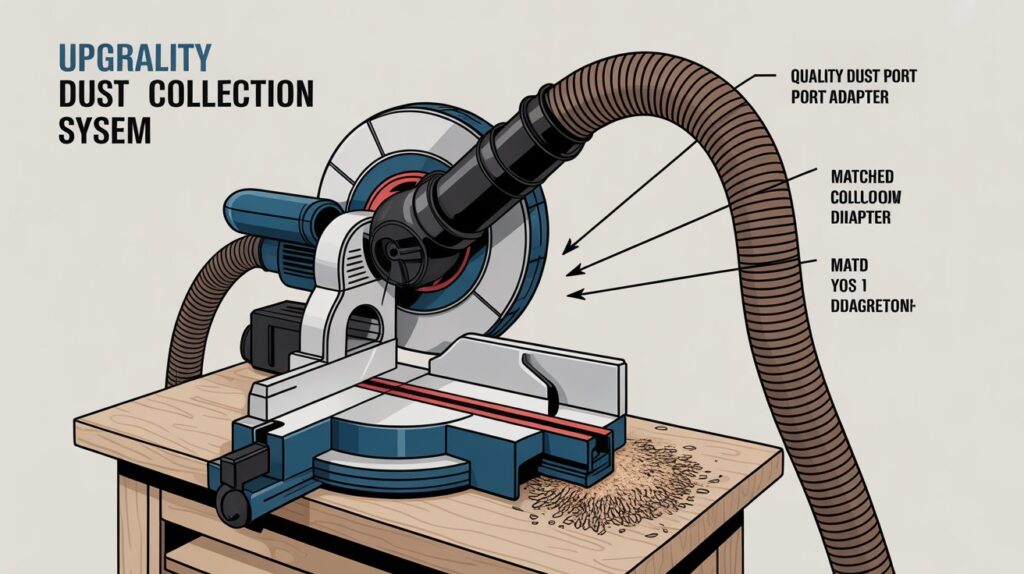
Start by securing a proper miter saw vacuum attachment. Many factory ports are small and leak air. Installing a quality dust port adapter ensures a tight seal and better suction. Always match the correct dust collection hose size to avoid airflow restriction.
Step 2: Choose the Right Suction Source
For small workshops, a strong shop vacuum can work well. However, a dust collector for miter saw systems delivers higher airflow and captures more airborne particles. A high CFM dust extractor significantly improves fine sawdust removal, especially when cutting MDF or plywood.
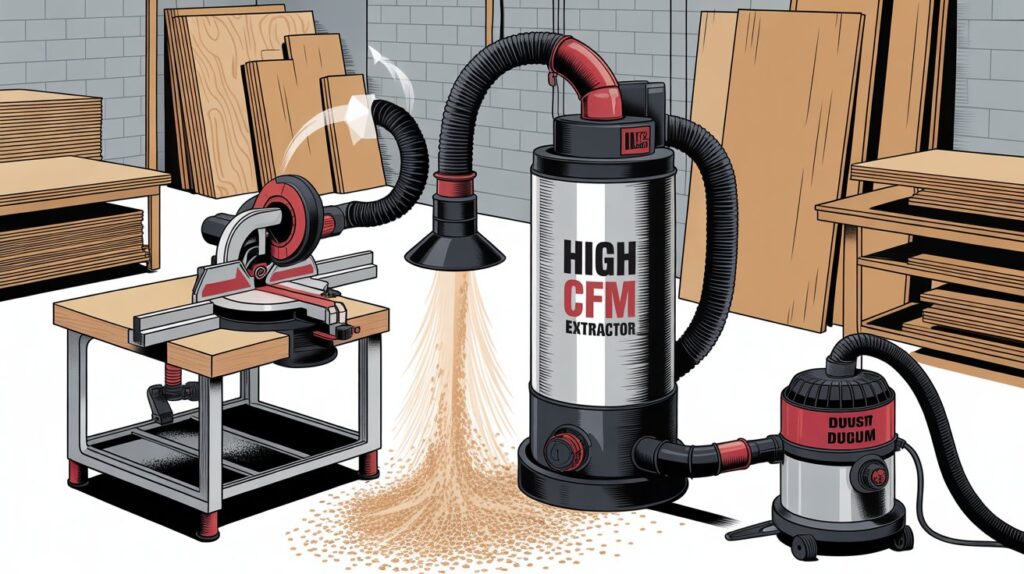
If you want maximum performance, consider what many professionals call the best miter saw dust collection system—a dedicated collector combined with proper containment.
Step 3: Add a Dust Hood or Enclosure
Because debris often shoots behind the blade, installing a miter saw dust collection hood dramatically increases capture efficiency. This acts as a sawdust containment solution, directing particles toward suction instead of allowing them to spread. Many woodworkers explore miter saw dust collection ideas or build custom enclosures through DIY miter saw dust collection projects.
Step 4: Install a Cyclone Separator
Adding a cyclone dust separator prevents large debris from reaching your vacuum or collector. This maintains consistent suction, reduces clogging, and strengthens your overall shop dust management system.
Step 5: Improve Filtration and Air Quality
Use a HEPA filter vacuum system to trap fine airborne particles. This protects your lungs and enhances workshop air quality. If mobility is important, choose a portable dust collection system that can move with your setup.
Step 6: Seal Gaps and Maintain the System
Check for air leaks around connections and keep filters clean. Small improvements in sealing and maintenance can greatly increase miter saw dust collection efficiency and overall woodworking dust control.
By combining strong airflow, proper containment, and effective filtration, you can build a system that keeps your workspace cleaner, safer, and more productive.
DIY Miter Saw Dust Collection Solutions
Building your own system is a cost-effective way to improve miter saw dust collection setup performance without investing in expensive equipment. With the right design and airflow planning, a DIY solution can significantly improve woodworking dust control and reduce airborne debris.
1. Build a Custom Dust Hood
A simple plywood or MDF enclosure placed behind the saw can act as a miter saw dust collection hood. The goal is to create a large capture area that funnels debris toward suction. This type of sawdust containment solution prevents particles from spreading across the shop.
Many woodworkers explore practical miter saw dust collection ideas by designing hoods that match their bench layout. A well-built hood can noticeably increase miter saw dust collection efficiency.
2. Add a Shop Vacuum with Separator
Connecting a vacuum through a proper miter saw vacuum attachment improves direct dust capture. Pairing it with a dust port adapter ensures a tight seal. For better airflow, use the correct dust collection hose size to reduce resistance.
Installing a cyclone dust separator between the saw and vacuum keeps large debris out of the filter. This improves fine sawdust removal and strengthens your overall shop dust management system.
3. Create a High-Airflow Collection Box
For larger workshops, some builders construct a collection box connected to a dust collector for miter saw applications. A high CFM dust extractor increases airflow and captures more airborne particles, especially when cutting materials that produce heavy dust.
4. Improve Filtration for Cleaner Air
Upgrading to a HEPA filter vacuum system helps trap fine particles that would otherwise reduce workshop air quality. If mobility is required, integrating a portable dust collection system into your bench design keeps the setup flexible and efficient.
A well-planned DIY miter saw dust collection project can deliver performance close to commercial systems when airflow, containment, and filtration are properly balanced.
Common Miter Saw Dust Collection Problems (And Solutions)
Even with a well-planned setup, issues can arise that reduce miter saw dust collection setup efficiency. Identifying these problems and addressing them ensures better woodworking dust control and cleaner workspaces.
1. Dust Blowing Forward
Many saws expel dust in multiple directions, causing debris to escape in front of the blade. To fix this, install a miter saw dust collection hood or custom enclosure. This sawdust containment solution channels particles toward the suction source and reduces spread.
2. Clogged Hoses
Dust can accumulate in long or narrow hoses, reducing suction power. Ensure the correct dust collection hose size is used and clean hoses regularly. Adding a cyclone dust separator also prevents large debris from reaching the vacuum or collector, maintaining fine sawdust removal efficiency.
3. Low Suction Power
Weak airflow is often caused by undersized vacuums or leaky connections. Upgrade to a high CFM dust extractor or secure all connections with a dust port adapter. This improves capture and strengthens the overall shop dust management system.
4. Fine Dust Escaping
Small airborne particles can still circulate, reducing workshop air quality. Using a HEPA filter vacuum system or a portable dust collection system helps trap fine dust and keeps the environment healthier.
5. Inefficient DIY Setups
DIY solutions sometimes fail due to poor airflow or incomplete coverage. Enhancing miter saw dust collection ideas with proper hoods, separators, and filtration improves miter saw dust collection efficiency and keeps your shop cleaner.
By addressing these common problems, you can maximize the performance of your dust collection setup, protect your health, and maintain a safer, more productive workshop.
How to Improve Dust Collection Efficiency (Pro Tips)
Maximizing your miter saw dust collection setup requires attention to airflow, suction, and proper containment. Applying a few professional tips can significantly enhance woodworking dust control and keep your workshop cleaner.
1. Increase Airflow
A high CFM dust extractor delivers more suction and captures more debris. Ensure your vacuum or dust collector has sufficient power for your saw, and pair it with a dust port adapter to minimize air leaks.
2. Optimize Hose Length and Size
Long or narrow hoses reduce suction. Use the correct dust collection hose size and keep hoses as short and straight as possible. This improves fine sawdust removal and overall efficiency.
3. Add a Cyclone Separator
A cyclone dust separator captures larger particles before they reach your vacuum or collector. This prevents clogs, maintains suction, and strengthens your shop dust management system.
4. Use Dust Hoods or Enclosures
Installing a miter saw dust collection hood increases capture by directing particles toward the suction source. Custom or DIY miter saw dust collection ideas can further improve efficiency, creating an effective sawdust containment solution.
5. Maintain Filters and Equipment
Clean or replace filters regularly, especially in a HEPA filter vacuum system. Proper maintenance ensures consistent airflow, preserves suction, and maintains workshop air quality.
6. Position Your Saw Strategically
Placing the saw near walls or in corners can help direct dust toward your collection system. Combining positioning with a portable dust collection system makes dust capture more effective, even in small or mobile workshops.
By following these tips, you can improve miter saw dust collection efficiency, reduce airborne debris, and create a safer, cleaner, and more productive woodworking environment.
Best Accessories for Miter Saw Dust Collection
Using the right accessories can significantly improve your miter saw dust collection setup and overall woodworking dust control. These additions enhance suction, capture efficiency, and workshop cleanliness.
1. Cyclone Separators
A cyclone dust separator prevents large debris from entering your vacuum or dust collector. This protects filters, reduces clogging, and maintains consistent fine sawdust removal. It’s one of the most effective upgrades for a shop dust management system.
2. Dust Collection Adapters
Dust port adapters ensure a tight seal between your saw and vacuum hose. Matching the correct dust collection hose size maximizes suction and reduces leakage, improving overall dust capture.
3. Dust Hoods
A miter saw dust collection hood captures debris thrown behind or around the blade. Commercial or DIY hoods act as a sawdust containment solution, significantly improving miter saw dust collection efficiency.
4. HEPA Filter Systems
A HEPA filter vacuum system traps fine airborne particles that standard vacuums cannot capture. This improves workshop air quality and protects your health from long-term exposure to dust.
5. Remote Switches and Automation
Integrating remote switches with your dust collection system allows for easy activation and synchronization with your saw. This ensures the portable dust collection system operates efficiently and reduces dust escape during use.
6. Dust Bags vs. Vacuum Systems
High-quality dust bags can provide basic dust capture, but connecting your saw to a shop dust management system or a high CFM dust extractor ensures better fine sawdust removal and consistent suction.
By combining these accessories, you can enhance your miter saw dust collection setup, maintain a cleaner workspace, and improve both safety and productivity in your woodworking projects.
Miter Saw Dust Collection Safety Tips
Maintaining a clean and safe workspace is essential for effective miter saw dust collection setup and overall woodworking dust control. Following a few safety practices ensures that dust does not pose a health or fire hazard.
1. Wear Proper Respiratory Protection
Even with a HEPA filter vacuum system, fine dust can escape into the air. Always wear a quality respirator or dust mask to protect your lungs and improve workshop air quality.
2. Ensure Adequate Ventilation
Good airflow helps remove airborne particles that your portable dust collection system or high CFM dust extractor may miss. Ventilation also reduces the risk of dust accumulation on surfaces, which can create fire hazards.
3. Regularly Clean Filters and Hoses
Clogged filters and hoses reduce suction efficiency. Maintain your shop dust management system by cleaning filters, checking dust collection hose size, and clearing any obstructions to maintain fine sawdust removal.
4. Keep Sparks and Heat Away
Dust is highly flammable, especially when using tools that produce sparks. Avoid placing saws near heat sources and ensure your sawdust containment solution is properly sealed to prevent accidental ignition.
5. Inspect Equipment Before Use
Check your miter saw dust collection hood, dust port adapters, and vacuum connections before starting work. Ensuring tight seals and proper function improves miter saw dust collection efficiency and reduces dust escape.
6. Maintain a Clean Workspace
Even with a cyclone dust separator and dust collector for miter saw, periodic sweeping or vacuuming prevents dust buildup on floors, benches, and other tools. A clean shop enhances safety and overall performance.
Following these tips ensures your dust collection system works efficiently, protects your health, and keeps your workspace safe and productive.
Conclusion
Proper miter saw dust collection is essential for a clean, safe, and efficient woodworking environment. Whether you use a shop vac, dust collector, or DIY dust hood, combining airflow, containment, and filtration ensures better fine sawdust removal and improved workshop air quality. Upgrading your system with the right accessories, maintaining filters and hoses, and following safety practices protects your health, enhances cutting accuracy, and reduces cleanup time. Investing in an effective dust collection setup ultimately leads to a safer and more productive woodworking experience.
Q1. How effective is a miter saw dust collection system?
A proper dust collection setup can capture a large portion of the sawdust generated, especially larger particles. Systems using a high CFM dust extractor, cyclone dust separator, and miter saw dust collection hood provide the best results. While some fine dust may still escape, combining these tools with HEPA filter vacuum systems significantly improves workshop air quality and overall fine sawdust removal.
Q2. Can I use a shop vac for miter saw dust collection?
Yes. A shop vac is a practical solution for small workshops or portable setups. Using a miter saw vacuum attachment and the correct dust collection hose size maximizes suction. Adding a cyclone dust separator prevents large debris from clogging the filter, improving efficiency and acting as a reliable sawdust containment solution.
Q3. What CFM is needed for a miter saw dust collection system?
For optimal dust capture, a system should provide a minimum of 300–400 CFM (cubic feet per minute) for smaller saws and 600+ CFM for larger, professional-grade saws. Higher airflow ensures better miter saw dust collection efficiency, especially when paired with a dust hood or dust collector for miter saw.
Q4. Do dust hoods really work?
Yes. A miter saw dust collection hood significantly improves debris capture by directing sawdust toward the suction source. It acts as a sawdust containment solution, reducing the amount of dust that spreads across the shop. Combining a hood with a portable dust collection system or shop dust management system offers the best results.
Q5. Why does my miter saw still throw dust everywhere?
Even with a dust collection system, some fine dust may escape due to high blade speed, small factory ports, or weak suction. Solutions include using a high CFM dust extractor, installing a dust port adapter, adding a cyclone separator, or building a DIY dust hood. Proper maintenance of filters and hoses ensures consistent fine sawdust removal.