

Introduction
A branch tree cutter is an essential tool for anyone who wants to maintain healthy, well-shaped trees and a neat garden. Whether you’re pruning overgrown branches, trimming dead limbs, or shaping ornamental trees, using the right branch tree cutter makes the job faster, safer, and more efficient. In this guide, we’ll explore the best types, key features, safety tips, and top models for 2025 to help you choose the perfect tool for your yard.
Table of Contents
What Is a Branch Tree Cutter?
A branch tree cutter is a gardening tool used to trim and remove unwanted tree branches. It helps keep trees healthy, well-shaped, and free from overgrowth. Available in manual, electric, and pole designs, a branch tree cutter allows you to reach and cut branches safely and efficiently. It’s an essential tool for anyone who wants to maintain a clean and well-kept garden.
Types of Branch Tree Cutters
A branch tree cutter comes in several types, each designed for different cutting needs and tree sizes. Choosing the right one depends on the kind of branches you want to trim and how often you plan to use it.
1. Manual Branch Tree Cutter
A manual branch tree cutter is ideal for light pruning and small branches. It works with simple hand pressure, giving you full control and precision. This type is affordable, easy to maintain, and perfect for regular garden care.
2. Electric Branch Tree Cutter
An electric branch tree cutter uses motorized power to cut through thicker branches quickly. It reduces the effort needed and saves time, especially for larger trees. It’s best for homeowners who want power and speed without using fuel.
3. Battery-Powered Branch Tree Cutter
A battery-powered branch tree cutter offers the same convenience as an electric model but without cords. It provides freedom of movement and is suitable for trimming branches in areas without a power source. Most models are lightweight and rechargeable.
4. Pole Branch Tree Cutter
A pole branch tree cutter is designed to reach high branches without the need for ladders. It features a long, extendable handle with a cutting blade or saw at the end. This type is excellent for tall trees and ensures safety during pruning.
5. Heavy-Duty Branch Tree Cutter
A heavy-duty branch tree cutter is built for tough, thick branches that standard tools cannot handle. It usually has stronger blades, longer handles, and more cutting force, making it suitable for professional landscapers or large gardens.
Each branch tree cutter type offers unique advantages. Selecting the right one ensures efficient trimming, less effort, and healthier trees in the long run.
Key Features to Consider Before Buying a Branch Tree Cutter
When buying a branch tree cutter, it’s important to choose one that fits your garden needs and cutting tasks. A well-selected tool will make pruning easier, faster, and safer. Here are the main features to consider before making a purchase.
1. Cutting Capacity and Blade Quality
The first thing to check in any tree branch cutter is the blade. Sharp, durable blades made from high-carbon steel or stainless steel deliver smooth and clean cuts. A strong blade helps trim both thin twigs and thick branches without damaging the tree. For frequent use, choose a heavy-duty branch cutter that stays sharp longer and resists rust.
2. Handle Length and Comfort
The handle design affects both comfort and performance. A long handle branch cutter provides better reach for higher branches and more cutting power with less effort. Look for non-slip grips and ergonomic handles to ensure a secure hold during extended use. Proper balance between handle length and weight ensures comfort and control.
3. Power Source
Modern branch tree cutters come in three main power types—manual, electric, and battery powered.
- Manual cutters are perfect for light pruning and small branches.
- Electric cutters offer consistent power for thicker branches.
- Battery-powered tree cutters give you mobility and convenience for large yards.
Choose one based on your garden size and how often you perform trimming tasks.
4. Weight and Ease of Use
A tree pruning cutter should be lightweight enough for long hours of use without fatigue. Heavy models can be tiring, especially for overhead work. A well-balanced cutter allows smoother motion and greater accuracy when trimming branches.
5. Safety Features
Safety should never be ignored. Always check if your branch tree cutter includes a safety lock, blade cover, or automatic shut-off (for electric models). These features prevent accidents and make the tool safer to handle, especially for beginners.
6. Durability and Build Material
A good garden branch cutter should last for years. Models with stainless steel blades and fiberglass or aluminum handles are durable yet lightweight. High-quality materials also resist bending and corrosion, ensuring reliable performance in all weather conditions.
7. Maintenance Requirements
Regular maintenance keeps your tree trimming tools sharp and effective. Choose a cutter that’s easy to clean, disassemble, and sharpen. Proper care extends the life of your branch tree cutter and maintains cutting efficiency.
8. Price and Warranty
Finally, compare the price and warranty before buying. While cheaper tools may seem attractive, investing in a quality professional tree cutter tool often provides better performance and longevity. A warranty gives extra peace of mind and covers manufacturing defects.
Choosing the right branch tree cutter depends on your tree type, branch thickness, and how often you use it. Considering these key features ensures you get a tool that delivers excellent results, keeps your garden healthy, and makes trimming tasks simple and efficient.
Top 5 Best Branch Tree Cutters (2025)
When selecting the best branch tree cutter for your yard, key criteria such as cutting capacity, handle reach, power source and durability matter most. Below are five top-rated tools for 2025 — each one suitable for different needs of garden maintenance and tree trimming tools.
1. Premium All-Round Branch Tree Cutter
This model is a high-quality garden branch cutter rated for frequent use. With hardened steel blades and ergonomic non-slip grips, it excels in cleanly trimming medium-sized limbs. The long handle provides excellent reach, making it ideal for both shrub shaping and regular tree care. For homeowners who want a reliable tree pruning cutter that performs across a range of tasks, this is a strong choice.
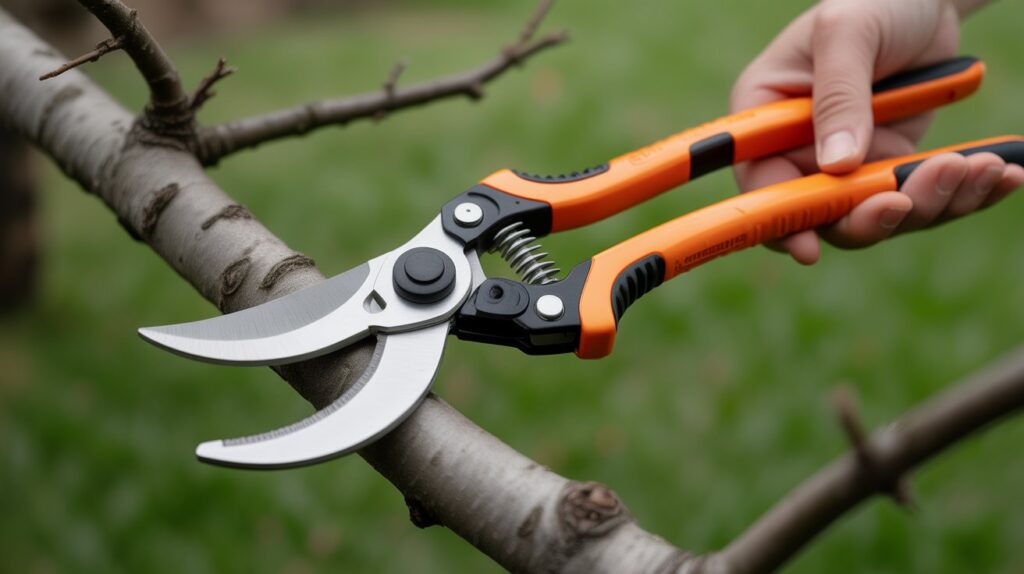
Why choose it: Balanced power and comfort, perfect for general yard care.
Ideal for: Regular maintenance, branches of moderate thickness.
2. Battery-Powered Branch Tree Cutter
For mobility and convenience, the cordless option stands out. As a reliable battery powered tree cutter, it frees you from cords and gives good maneuverability in larger gardens or remote spots. It’s especially useful if you’re looking for a pole branch cutter style without the hassle of extension cords.
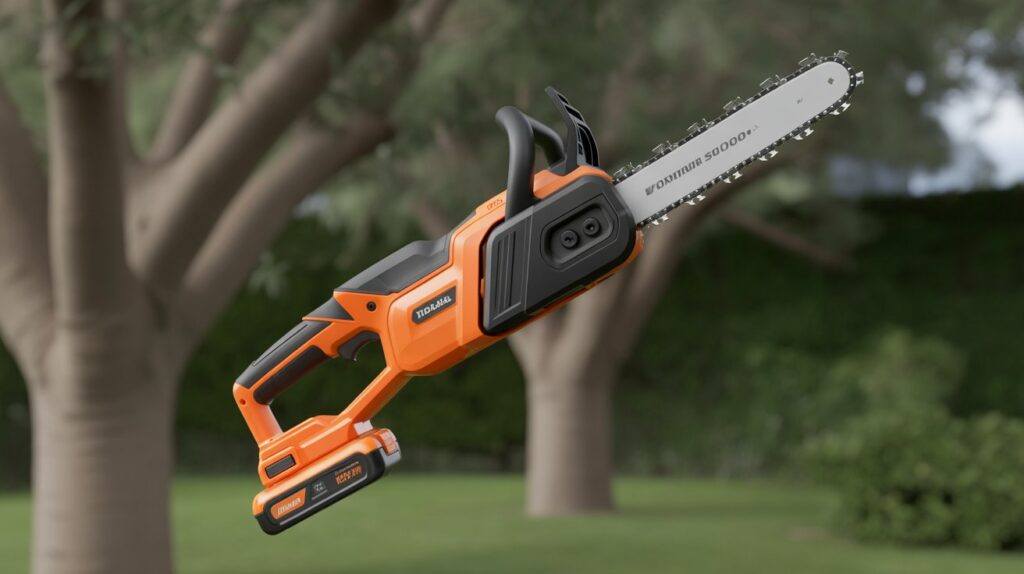
Why choose it: Freedom of movement, suitable for heavier trimming jobs.
Ideal for: Large gardens, remote locations, reaching taller trees safely.
3. Heavy-Duty Branch Tree Cutter
This variant specializes in larger branch removal. Labelled as a heavy duty branch cutter, it features extra-strong blades, robust build materials, and high cutting capacity. It’s the go-to tool when tackling thick limbs or multiple trees rather than light yard maintenance.
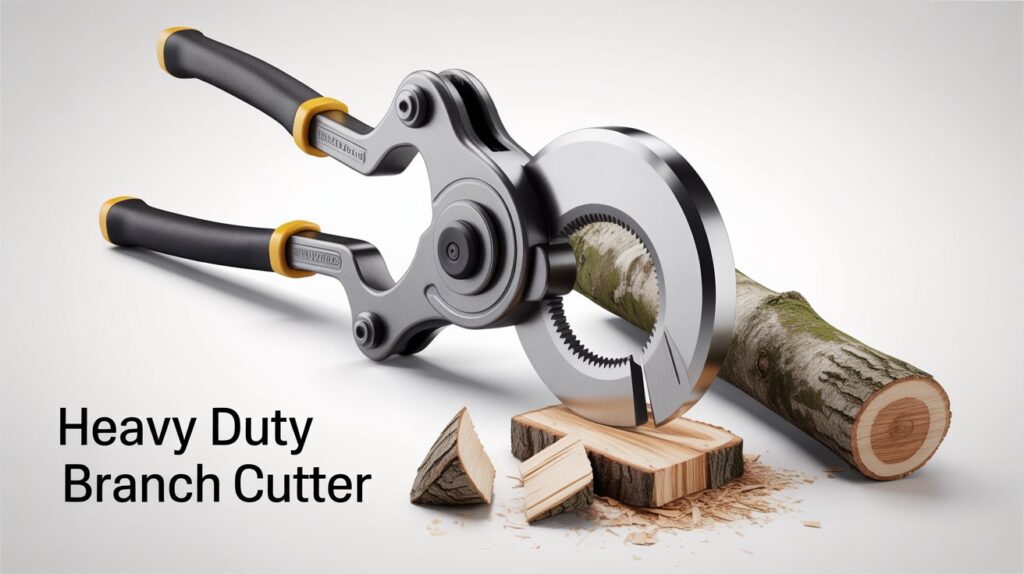
Why choose it: Maximum cutting strength and durability for tough tasks.
Ideal for: Big trees, professional landscaping, thick overgrown branches.
4. Long-Handle / Reach Branch Tree Cutter
Sometimes reach is everything. This long handle branch cutter extends the user’s ability to prune high limbs safely from the ground. Better reach means less need for ladders and safer trimming of tall trees. This type integrates features of tree trimming tools with extended reach.
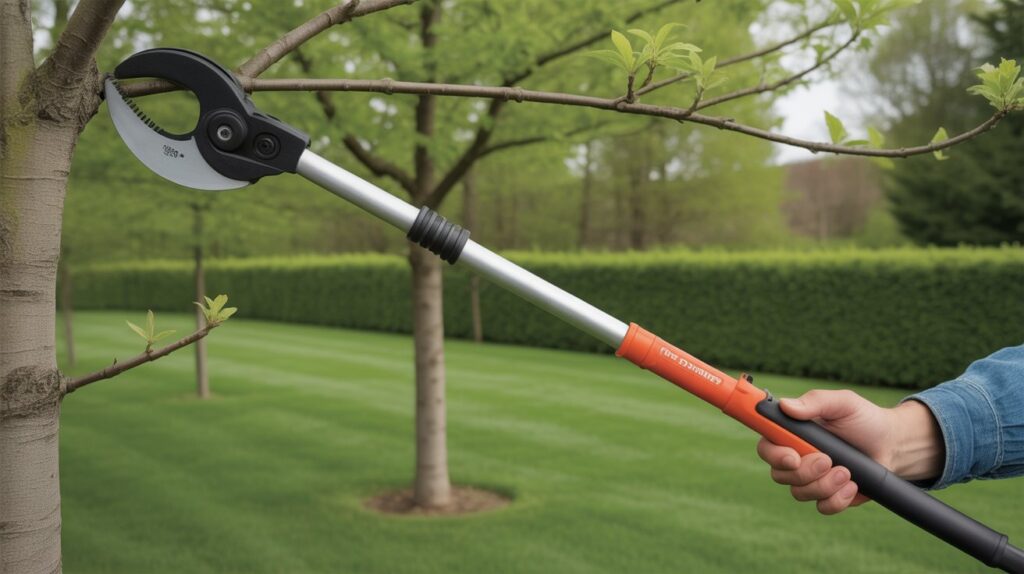
Why choose it: Safe access to high branches, ideal for yard care without ladders.
Ideal for: Tall trees, overhead pruning, difficult-to-reach branches.
5. Manual Branch Tree Cutter
For budget-conscious gardeners and light trimming jobs, the manual branch cutter offers simplicity and precision. This type is perfect for small gardens, light pruning, or occasional use. It aligns with the category of garden maintenance tools when you don’t need heavy machinery.
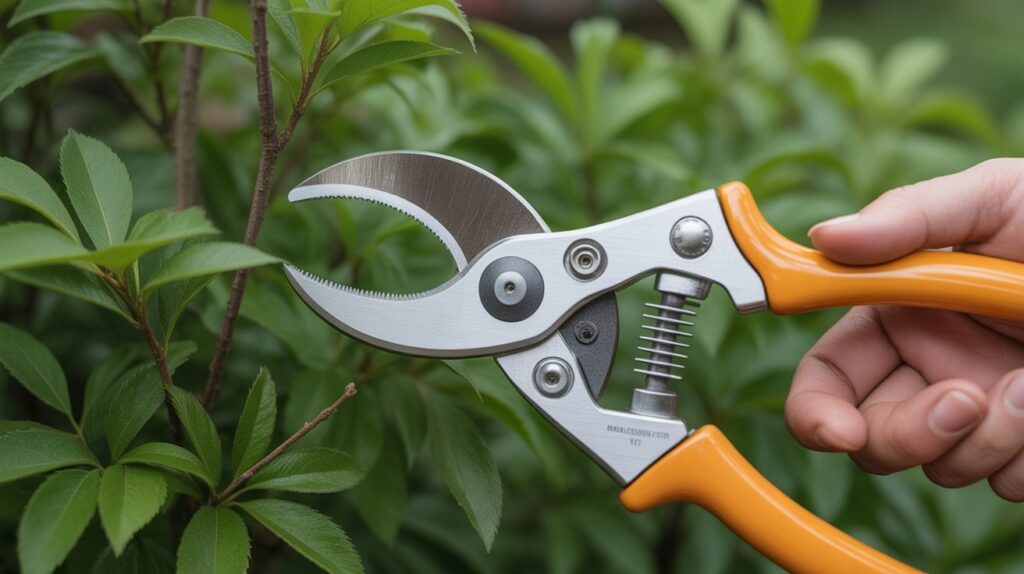
Why choose it: Low cost, minimal maintenance, good for light use.
Ideal for: Small branches, occasional trimming, beginner gardeners.
Buying Guide Summary
When choosing the right branch tree cutter—whether a premium all-round model, a cordless battery-powered variant, a heavy-duty professional type, a long-reach tool, or a manual cutter—ensure it fits your branch size, tree height, and yard size. By matching your needs with the correct type of branch tree cutter, you’ll ensure efficient trimming and better garden health.
How to Use a Branch Tree Cutter Safely
Using a branch tree cutter may seem simple, but following the right safety steps is essential to prevent injury and protect your trees. Whether you’re using a manual branch cutter, an electric branch cutter, or a battery-powered tree cutter, safe handling ensures better performance and longer tool life.
1. Wear Proper Safety Gear
Before you begin, always wear protective equipment. Use safety gloves, goggles, and a helmet to guard against falling branches or sharp debris. Good-quality gloves also improve grip and control when operating your tree pruning cutter.
2. Inspect Your Tool Before Use
Check your branch tree cutter for any loose parts, dull blades, or damaged handles. Sharp, clean blades make precise cuts and reduce the risk of slipping. If you’re using an electric or battery-powered cutter, ensure the cord or battery is in good condition and fully charged.
3. Choose the Right Cutter for the Job
Select the appropriate tree branch cutter based on the size and height of the branches. For small limbs, a manual branch tree cutter works best. For thick or high branches, use a pole branch cutter or a heavy-duty branch cutter for greater power and reach.
4. Maintain a Stable Position
Always keep both feet firmly on the ground while cutting. Avoid overreaching or standing on unstable surfaces. If you need to reach higher areas, use a long handle branch cutter instead of a ladder to reduce the risk of falling.
5. Cut in the Right Direction
Cut branches in small sections, starting from the outer ends and working toward the trunk. Make clean, angled cuts to promote healthy tree growth and prevent bark damage. This technique helps maintain your trees and aligns with proper tree trimming tools usage.
6. Be Cautious with Power Tools
If using an electric branch cutter, unplug it when not in use. For battery-powered models, switch off and remove the battery before cleaning or adjusting blades. Follow the manufacturer’s safety instructions carefully to avoid accidents.
7. Clean and Store After Use
After trimming, clean your branch tree cutter with a dry cloth and lightly oil the blades to prevent rust. Store it in a safe, dry place away from children. Regular maintenance ensures your garden branch cutter stays sharp and reliable for years.
Summary
Using a branch tree cutter safely involves preparation, awareness, and proper technique. With the right safety gear, regular maintenance, and correct cutting methods, you can handle any pruning task efficiently while keeping both yourself and your trees protected.
Maintenance Tips for Long-Lasting Performance
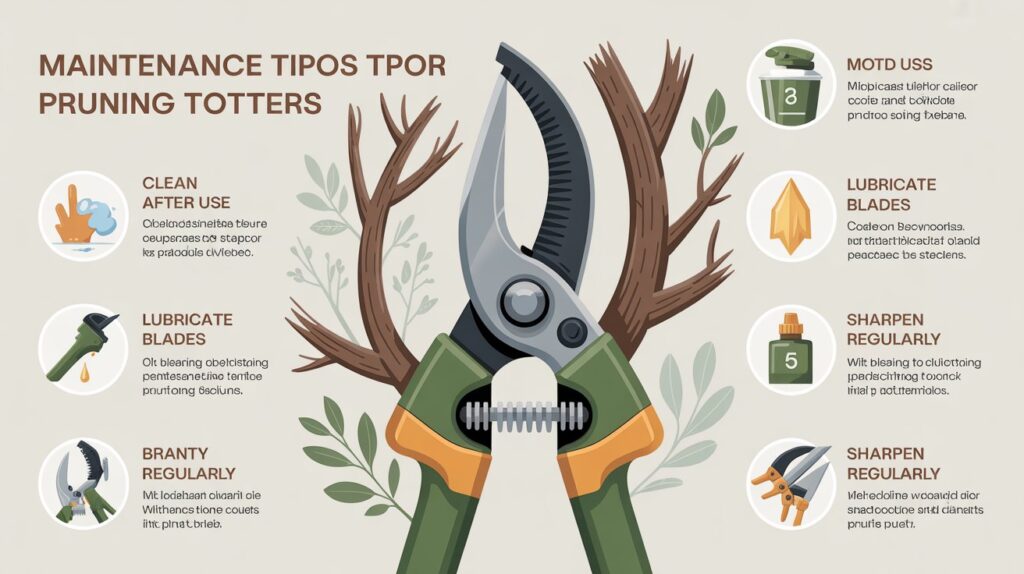
Proper maintenance of your branch tree cutter is essential to keep it sharp, safe, and effective for years. Regular care not only improves cutting performance but also prevents wear and rust, saving you money on replacements. Whether you use a manual branch cutter, electric branch cutter, or battery-powered tree cutter, these simple tips will help you maintain top performance.
1. Clean After Every Use
After trimming branches, always clean your branch tree cutter. Remove sap, dirt, and small wood particles from the blades with a dry cloth or soft brush. Sticky residue can dull the cutting edge and make trimming less efficient. For stubborn dirt, use a mild detergent and water, then dry the blades thoroughly.
2. Lubricate the Blades
To keep your tree branch cutter working smoothly, apply a light coating of oil to the blades after cleaning. Lubrication reduces friction, prevents rust, and ensures a cleaner cut. This step is especially important for garden maintenance tools used frequently in outdoor conditions.
3. Sharpen the Blades Regularly
Sharp blades make cutting easier and safer. Use a sharpening stone or fine file to restore the edge of your tree pruning cutter. Dull blades can crush branches instead of cutting cleanly, which may harm the tree. Aim to sharpen your tool after every few uses, especially if you trim hardwood branches.
4. Check Screws and Bolts
Inspect all nuts, bolts, and screws on your branch tree cutter to make sure they are tight and secure. Loose parts can affect cutting precision and increase the risk of accidents. A quick check before and after each use can prevent long-term damage.
5. Store in a Dry, Safe Place
Moisture is the enemy of any tree trimming tool. Always store your cutter in a dry location, away from rain or humidity. Hanging it on a wall rack or keeping it in a tool case prevents accidental drops and protects the blades from corrosion.
6. Replace Worn Parts When Needed
If you notice worn-out handles, cracked grips, or damaged springs, replace them immediately. Many professional tree cutter tools offer spare parts, which extend the tool’s lifespan and maintain safety.
7. Follow Manufacturer Guidelines
Each branch tree cutter model may have specific care instructions. Read and follow the manufacturer’s maintenance guide to avoid mistakes and ensure long-lasting performance. This is especially important for electric and battery-powered models, which require periodic battery checks and safe charging practices.
Summary
Consistent maintenance keeps your branch tree cutter efficient, durable, and ready for every trimming task. By cleaning, sharpening, and storing it correctly, you’ll enjoy smoother cuts, better safety, and long-term reliability from your essential garden branch cutter.
Common Mistakes to Avoid When Cutting Tree Branches
Using a branch tree cutter correctly is essential for both safety and proper tree care. Many gardeners make small errors that can damage trees or cause injuries. Knowing what to avoid will help you use your tree branch cutter more effectively and keep your garden looking healthy and well-maintained.
1. Using the Wrong Type of Cutter
One of the most common mistakes is choosing the wrong tool for the job. A manual branch cutter is ideal for thin branches, while a heavy-duty branch cutter or electric branch cutter works better for thicker limbs. Using the wrong cutter can damage both the blade and the branch. Always match your tool to the size and type of branch you’re trimming.
2. Cutting Too Close to the Trunk
When using your branch tree cutter, avoid cutting too close to the main trunk. This can wound the tree and slow down healing. Always leave a small stub, about an inch from the trunk, to allow the tree to seal itself naturally. Proper cutting helps maintain healthy growth and prevents disease.
3. Ignoring Safety Precautions
Many gardeners overlook safety gear when trimming. Always wear gloves, goggles, and sturdy footwear before operating any tree pruning cutter or battery-powered tree cutter. For tall trees, use a pole branch cutter to stay safely on the ground instead of climbing ladders.
4. Cutting at the Wrong Angle
A common mistake is cutting branches straight across. Instead, make cuts at a slight downward angle, which helps rainwater run off easily and prevents moisture buildup. This technique also ensures cleaner cuts when using your garden branch cutter or tree trimming tools.
5. Using Dull or Dirty Blades
Trying to trim branches with a dull or dirty blade can tear the bark and leave uneven cuts. Always sharpen and clean your branch tree cutter before use. Sharp, well-oiled blades make cleaner cuts and reduce strain on your hands and wrists.
6. Overreaching or Standing Unsafely
Overreaching with your long handle branch cutter or balancing on unstable surfaces increases the risk of accidents. Always maintain a stable position and keep both feet firmly on the ground. If branches are too high, use a pole branch cutter designed for tall trees instead.
7. Cutting Too Many Branches at Once
Removing too many branches in one session can weaken the tree and affect its shape. It’s better to trim gradually, allowing the tree time to recover. Focus on removing dead or damaged limbs first, then shape the tree slowly over multiple sessions.
Summary
Avoiding these common mistakes ensures safe and efficient use of your branch tree cutter. Choose the right tool, follow safety measures, and cut properly to keep your trees strong, your garden neat, and your tree trimming tools in great condition for years of reliable use.
Conclusion
A branch tree cutter is essential for safe and efficient tree trimming. Choosing the right type, considering key features, and following proper maintenance ensures healthy trees and a well-kept garden. With the right tool, pruning becomes easier, faster, and more effective.
FAQs About Branch Tree Cutters
1. What Is the Best Type of Branch Tree Cutter for Home Use?
The best branch tree cutter depends on your garden size and the type of branches you need to trim. For small or light branches, a manual branch cutter is simple and effective. If you deal with thicker or higher branches, an electric branch cutter or battery-powered tree cutter offers more power and convenience. A pole branch cutter is ideal for reaching tall limbs safely from the ground.
2. How Do I Sharpen a Branch Tree Cutter?
To keep your tree branch cutter sharp, use a sharpening file or stone. Gently follow the angle of the blade edge to restore its sharpness. Clean the blade afterward and apply a thin layer of oil to prevent rust. Regular sharpening ensures clean cuts and reduces the effort required during pruning.
3. How Often Should I Clean My Branch Tree Cutter?
It’s best to clean your garden branch cutter after every use. Remove sap, dirt, and debris using a soft cloth or brush. For electric or battery-powered models, disconnect the power source before cleaning. Clean tools not only last longer but also prevent the spread of tree diseases.
4.When Is the Best Time of Year to Prune?
The best time to prune with a branch tree cutter is late winter to early spring, when trees are dormant. Pruning during this period promotes healthy growth and helps the tree heal quickly. Avoid pruning in late summer or fall, as new growth may be damaged by cold weather.
5. What Safety Tips Should I Follow When Using a Branch Tree Cutter?
Always wear gloves, goggles, and sturdy shoes. Make sure the cutter is clean, sharp, and in good condition before use. Avoid cutting above shoulder height unless you are using a long handle branch cutter or pole cutter. Follow manufacturer instructions closely to stay safe and prevent damage to your tree pruning cutter.