
Introduction
Tool for Cutting Branches is an essential part of proper tree care, helping homeowners and gardeners keep trees healthy, safe, and well-shaped. Using the right pruning tool makes it easier to remove dead, damaged, or overgrown branches while reducing the risk of harming the tree. Different tools are designed for different branch sizes and pruning tasks, so understanding their purpose is important before getting started.
In this guide, you will learn about the different types of branch cutting tools, how to choose the right one, the best time to prune trees, safe pruning techniques, common mistakes to avoid, proper tool maintenance, and when it is best to hire a professional tree service. By following these practical tips, you can improve tree health, work more safely, and make pruning more effective.

Table of Contents
Why Proper Tree Branch Cutting Is Important
Proper tree pruning is one of the most important parts of tree care. Using the right tree branch cutting tools helps remove dead, damaged, or diseased branches without harming the rest of the tree. Clean and precise cuts allow the tree to recover faster and continue growing in a healthy way.
Regular pruning improves air circulation and allows more sunlight to reach the inner branches. This creates better conditions for healthy tree growth and reduces the risk of fungal diseases and pest infestations. Well-maintained trees also produce stronger branches that are less likely to break during storms or high winds.
Choosing suitable pruning tools for trees makes every cut more effective. Whether you are using pruning shears, loppers, a pruning saw, or a pole pruner, each tool is designed to handle specific branch sizes. Using the correct equipment prevents unnecessary damage to the bark and surrounding wood.
Proper pruning also improves the appearance of trees by removing crowded, weak, or crossing branches. Many homeowners and gardeners rely on tree trimming tools and other hand tools for tree pruning to shape trees while preserving their natural structure. This not only enhances the landscape but also supports long-term tree health.
Safety is another important reason to prune trees correctly. Weak or overgrown branches can fall unexpectedly and damage buildings, vehicles, or nearby plants. Using reliable tree cutting equipment and following proper pruning safety practices helps reduce these risks while making maintenance tasks easier and more efficient.
Finally, regular pruning encourages stronger branch development and extends the life of many trees. Whether you are caring for ornamental trees, shade trees, or fruit trees, using the appropriate tools for pruning trees and following proper tree pruning techniques helps keep your landscape healthy, attractive, and safe throughout the year.
Different Types of Tools for Cutting Tree Branches
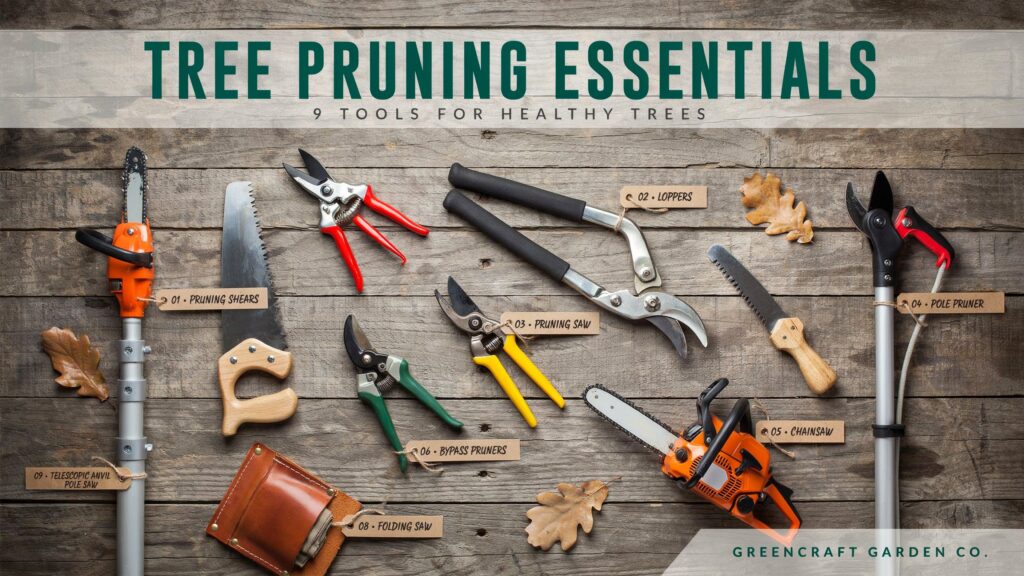
1. Pruning Shears
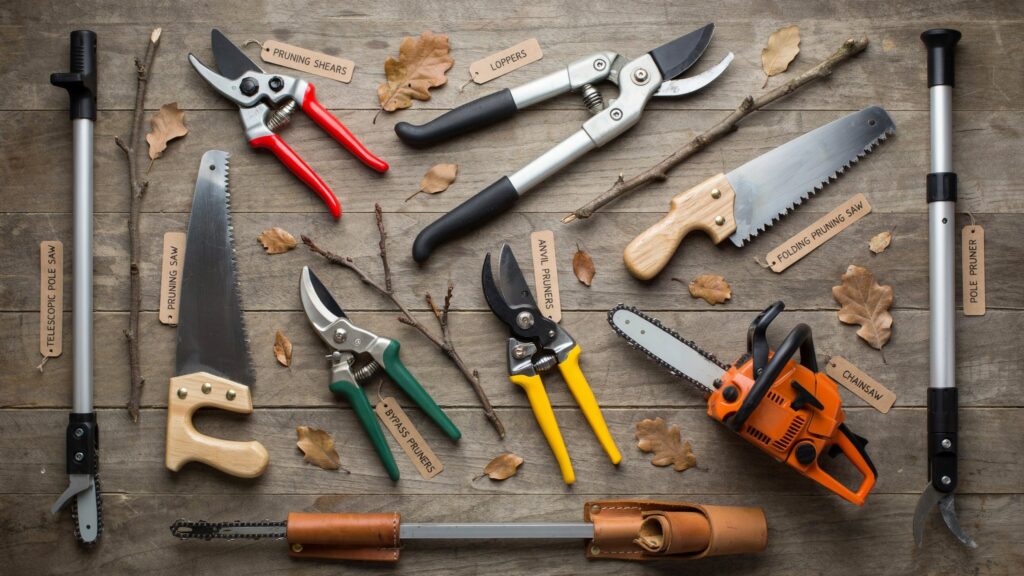
Pruning shears are designed for cutting small twigs, stems, and branches that are usually less than one inch thick. They are among the most common hand tools for tree pruning because they produce clean cuts that support healthy healing.
2. Loppers
Loppers have long handles that provide extra leverage for cutting medium-sized branches. They are a popular choice among tree branch cutting tools because they require less effort than standard pruners while reaching deeper into the tree canopy.
3. Pruning Saw
A pruning saw is ideal for branches that are too thick for loppers. Its sharp, curved blade cuts through wood efficiently, making it an essential part of many tree pruning tools used for regular tree maintenance.
4. Pole Pruner
A pole pruner allows you to trim high branches while standing safely on the ground. It combines a pruning head with an extendable pole, making it one of the most useful tree trimming tools for tall trees.
5. Chainsaw
A chainsaw is suitable for removing large limbs and cutting thick branches. It is commonly used as professional tree cutting equipment for heavy-duty pruning and tree removal projects where manual tools are not practical.
6. Bypass Pruners
Bypass pruners use two curved blades that slide past each other, creating smooth and precise cuts. They are recommended for live branches because they minimize damage and support healthy tree growth.
7. Anvil Pruners
Anvil pruners feature one sharp blade that closes against a flat surface. They work well on dry or dead branches and are often included in collections of pruning tools for trees used for seasonal cleanup.
8. Folding Pruning Saw
A folding pruning saw is lightweight, portable, and easy to carry around the garden. It is a convenient branch cutting tool for homeowners who need to prune trees in different areas of their property.
9. Telescopic Pole Saw
A telescopic pole saw extends farther than a standard pole pruner, allowing users to reach higher branches safely. It is especially useful when cutting thick branches that are difficult to access.
10. Ratchet Loppers
Ratchet loppers use a step-by-step cutting mechanism that reduces the amount of force needed. They are excellent tools for pruning trees, especially for people who want greater cutting power with less physical effort.
11. Electric Pole Pruner
An electric pole pruner combines powered cutting with extended reach. It is often chosen for regular tree maintenance because it makes trimming taller branches quicker and less tiring.
12. Cordless Chainsaw
A cordless chainsaw offers greater mobility than corded models while still delivering strong cutting performance. It is useful for pruning large branches where portability is important.
13. Manual Tree Branch Cutter
A manual tree branch cutter is a practical option for homeowners who prefer simple, low-maintenance equipment. It requires no fuel or electricity and works well for routine pruning tasks.
14. Hedge Shears
Although hedge shears are mainly intended for shaping hedges and shrubs, they can trim soft, young shoots on small trees. However, they are not recommended for thick branches because they cannot make clean pruning cuts.
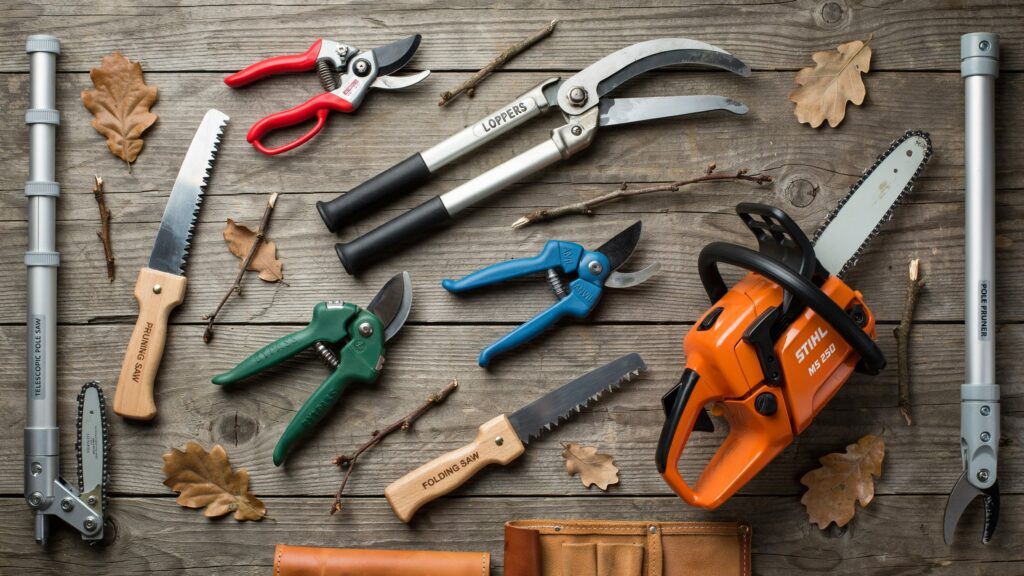
15. Choosing the Right Tool
The best choice depends on branch size, tree height, and the type of pruning required. Using the appropriate tree branch cutting tools, pruning tools for trees, and proper tree pruning techniques helps achieve cleaner cuts, improves safety, and promotes long-term tree health.
How to Choose the Right Tool for Cutting Tree Branches
1. Consider the Size of the Branch
The thickness of the branch is the first factor to consider. Pruning shears are suitable for small stems, while loppers work well for medium-sized branches. A pruning saw is the better option for larger limbs, and a chainsaw is appropriate only for very thick branches that require more cutting power.
2. Think About the Height of the Tree
Tree height plays an important role when selecting tree branch cutting tools. For branches that are out of reach, a pole pruner allows you to work safely from the ground without using a ladder. This makes pruning easier and reduces the risk of accidents.
3. Match the Tool to the Pruning Task
Different pruning jobs require different pruning tools for trees. Light seasonal trimming can be done with hand tools for tree pruning, while removing dead or damaged limbs may require stronger tree cutting equipment. Using the correct tool produces cleaner cuts and helps the tree recover more quickly.
4. Choose Comfortable and Easy-to-Use Tools
Comfort is important, especially during long pruning sessions. Look for tree trimming tools with ergonomic handles and a balanced design. Comfortable tools reduce hand fatigue and provide better control while cutting.
5. Focus on Blade Quality
Sharp, durable blades improve cutting performance and reduce damage to branches. High-quality tree pruning tools make smooth cuts that heal faster, supporting healthy tree growth and lowering the chance of disease entering the tree.
6. Consider How Often You Prune
If you prune trees regularly, invest in durable tools for pruning trees that can withstand frequent use. Occasional gardeners may only need a few basic tools, while larger properties often benefit from more advanced tree cutting equipment.
7. Keep Safety in Mind
Safety should always be part of your decision. Select equipment that is easy to control and suitable for the size of the branches you plan to cut. Following proper pruning safety practices and using the right tool helps prevent injuries and protects the tree from unnecessary damage.
8. Maintain Your Equipment
Even the best branch cutting tool performs poorly if it is not maintained. Clean blades after each use, keep them sharp, and lubricate moving parts regularly. Well-maintained equipment lasts longer and provides consistent results during every pruning session.
9. Select Tools That Support Long-Term Tree Care
The right equipment makes ongoing tree maintenance more efficient. Choosing reliable tools for different pruning tasks helps improve tree structure, encourages healthy development, and makes seasonal care easier year after year.
10. Buy Quality Instead of Quantity
A few well-made tree branch cutting tools are often more useful than a large collection of low-quality equipment. Durable tools provide better performance, require fewer replacements, and help you apply proper tree pruning techniques with greater confidence.
When Should You Cut Tree Branches?
1. Prune During the Dormant Season
For most trees, late winter or early spring is the best time for pruning. During the dormant season, trees experience less stress, and cuts heal more efficiently. Using the appropriate tree pruning tools at this time also reduces the risk of pests and diseases affecting fresh cuts.
2. Trim Flowering Trees at the Right Time
The timing of pruning depends on when a tree blooms. Trees that flower in spring should be pruned after they finish blooming, while summer-flowering trees are usually pruned during late winter or early spring. Using suitable pruning tools for trees helps preserve the tree’s natural shape and encourages better flowering.
3. Prune Fruit Trees Every Year
Fruit trees benefit from annual pruning to improve air circulation and sunlight penetration. Regular use of hand tools for tree pruning helps remove weak or overcrowded branches, leading to stronger structure and healthy tree growth.
4. Remove Dead or Damaged Branches Immediately
Dead, broken, or diseased branches should be removed as soon as they are noticed, regardless of the season. A pruning saw or loppers can make clean cuts that prevent further damage and improve overall tree maintenance.
5. Avoid Pruning During Active Growth
Heavy pruning during periods of rapid growth can place unnecessary stress on trees. Limiting major cuts during this stage allows the tree to focus its energy on healthy development instead of recovering from extensive pruning.
6. Do Not Prune During Wet Weather
Rainy conditions increase the risk of fungal infections because moisture can enter fresh cuts. Dry weather provides better conditions for pruning and allows wounds to heal more quickly. Following good pruning safety practices also reduces the chance of slipping while working.
7. Avoid Cutting During Strong Winds
Strong winds make pruning more dangerous, especially when using a pole pruner or other tree cutting equipment. Calm weather provides better control and helps ensure accurate, safe cuts.
8. Choose Mild Weather Conditions
Moderate temperatures are ideal for pruning. Extremely hot or freezing weather can slow the healing process and place additional stress on the tree. Planning pruning during mild conditions supports better recovery.
9. Use the Right Equipment for the Season
Different pruning tasks require different tree branch cutting tools. Pruning shears are suitable for small seasonal growth, while a branch cutting tool such as a pruning saw or chainsaw may be needed for larger limbs. Selecting the proper equipment improves efficiency and reduces unnecessary damage.
10. Follow Proper Tree Pruning Techniques
Pruning at the correct time is only part of effective tree care. Applying proper tree pruning techniques and using reliable tree trimming tools and tools for pruning trees helps maintain a strong tree structure, encourages long-term health, and keeps trees safe and attractive throughout the year.
Safe Techniques for Cutting Tree Branches
1. Inspect the Tree Before Pruning
Before starting any pruning work, examine the tree carefully. Look for dead, cracked, or diseased branches that need removal. Planning the cuts in advance helps you use the right tree branch cutting tools and reduces unnecessary damage to the tree.
2. Use the Correct Tool for the Job
Every pruning task requires the proper equipment. Pruning shears are ideal for small stems, loppers handle medium-sized branches, and a pruning saw works best for thicker limbs. For larger jobs, appropriate tree cutting equipment should be used only when necessary.
3. Wear Protective Safety Gear
Always wear safety glasses, gloves, sturdy footwear, and a helmet when working on larger trees. Following good pruning safety practices protects you from falling branches, sharp tools, and flying debris.
4. Make Clean and Accurate Cuts
Always cut just outside the branch collar without leaving long stubs or cutting too close to the trunk. Clean cuts made with quality tree pruning tools heal faster and reduce the chance of disease entering the tree.
5. Avoid Removing Too Many Branches
Removing too many branches at one time can weaken a tree and slow its recovery. Proper tree pruning techniques recommend pruning only what is necessary to maintain a healthy structure and encourage healthy tree growth.
6. Keep Both Feet on Stable Ground
When working on high branches, use a pole pruner instead of standing on unstable objects. A stable position provides better control and makes pruning safer and more effective.
7. Stay Away From Power Lines
Never prune branches that are touching or growing close to electrical lines. These situations require trained professionals with specialized tree cutting equipment to avoid serious accidents.
8. Keep Cutting Tools Sharp and Clean
Sharp blades make smoother cuts and require less effort. Clean hand tools for tree pruning after each use and sharpen them regularly to improve performance and extend their service life.
9. Work in Suitable Weather Conditions
Choose a calm, dry day for pruning. Avoid working during rain, storms, or strong winds because slippery surfaces and moving branches increase the risk of injury. Safe weather conditions also make tree maintenance more efficient.
10. Select the Right Tool for Branch Size
Using the correct branch cutting tool prevents unnecessary strain and protects the tree from rough cuts. Matching tree trimming tools and tools for pruning trees to the size of the branch helps produce clean results while reducing the risk of damage to both the tree and the user.
Common Mistakes to Avoid When Cutting Tree Branches
1. Using the Wrong Tool
One of the most common mistakes is choosing the wrong equipment for the job. Using pruning shears on thick limbs or a pruning saw on small twigs can make pruning difficult and damage the tree. Always select the appropriate tree branch cutting tools for the size of the branch.
2. Pruning at the Wrong Time
Cutting branches during the wrong season can slow recovery and reduce flowering or fruit production. Understanding the best time to prune is an important part of proper tree maintenance and helps support long-term tree health.
3. Removing Too Many Branches
Over-pruning weakens a tree by removing too much foliage at once. It can reduce the tree’s ability to produce energy and increase stress. Following proper tree pruning techniques helps maintain a balanced structure and encourages healthy tree growth.
4. Leaving Long Branch Stubs
Leaving long stubs after pruning prevents wounds from healing properly. These stubs can become entry points for insects and diseases. Clean cuts made with quality tree pruning tools help trees recover more quickly.
5. Cutting Too Close to the Trunk
Removing the branch collar along with the branch is another common mistake. This natural growth area helps the tree seal wounds. Whether using loppers, a pruning saw, or other tools for pruning trees, always make cuts just outside the branch collar.
6. Using Dull or Dirty Tools
Blunt blades crush branches instead of making smooth cuts. Dirty equipment can also spread plant diseases from one tree to another. Regularly cleaning and sharpening hand tools for tree pruning improves cutting performance and keeps trees healthier.
7. Ignoring Pruning Safety
Working without protective equipment or using tools carelessly increases the risk of injury. Following basic pruning safety practices, including wearing gloves and eye protection, makes pruning much safer.
8. Using a Ladder Incorrectly
Standing on an unstable ladder while cutting branches is dangerous. For high branches, a pole pruner provides a safer solution by allowing you to prune from the ground with better control.
9. Attempting Large Jobs Without Proper Equipment
Large or heavy branches require suitable tree cutting equipment. Trying to remove them with small hand tools can damage the tree and create safety hazards. For difficult tasks, use the proper equipment or seek professional assistance.
10. Neglecting Regular Tree Care
Waiting too long between pruning sessions often results in overcrowded branches that are harder to manage. Regular use of tree trimming tools, proper branch cutting tool selection, and routine inspections help maintain healthy trees and reduce the need for major corrective pruning.
How to Maintain Tree Branch Cutting Tools
1. Clean Tools After Every Use
Clean all tree branch cutting tools immediately after pruning. Remove sap, dirt, and plant residue from the blades using a clean cloth or brush. Keeping tools clean helps prevent the spread of diseases between trees and improves cutting performance.
2. Sharpen the Blades Regularly
Sharp blades produce smooth, accurate cuts that protect the tree from unnecessary damage. Whether you use pruning shears, loppers, or a pruning saw, regular sharpening makes pruning easier and supports healthier cuts.
3. Lubricate Moving Parts
Apply a light coat of lubricating oil to hinges, springs, and other moving parts after cleaning. Proper lubrication keeps hand tools for tree pruning operating smoothly and helps reduce wear caused by frequent use.
4. Dry Tools Before Storage
Never store tools while they are wet. Moisture can cause rust and shorten the lifespan of your tree pruning tools. Wipe every tool completely dry before placing it in storage.
5. Store Tools in a Dry Place
Keep tree trimming tools and other tools for pruning trees in a clean, dry location away from rain and humidity. Hanging tools on a wall or storing them in a toolbox helps protect the blades and prevents accidental damage.
6. Inspect Tools for Damage
Check your equipment before each pruning session. Look for loose handles, cracked parts, worn blades, or damaged locking mechanisms. Well-maintained tree cutting equipment performs more safely and efficiently.
7. Disinfect Blades Between Trees
If you are pruning diseased branches, disinfect blades before moving to another tree. This simple tree maintenance practice reduces the risk of spreading harmful bacteria, fungi, or viruses throughout your landscape.
8. Replace Worn or Broken Parts
Over time, blades, springs, and handles may wear out. Replace damaged parts as soon as possible to keep your branch cutting tool working safely and effectively. Using tools in good condition also supports proper pruning safety.
9. Follow the Manufacturer’s Maintenance Instructions
Different tools require different care. Always follow the manufacturer’s recommendations for cleaning, sharpening, lubrication, and storage. Proper maintenance extends the life of your equipment and improves its overall performance.
10. Maintain Tools for Better Pruning Results
Well-maintained tree branch cutting tools make it easier to apply correct tree pruning techniques and encourage healthy tree growth. Regular care improves cutting efficiency, increases safety, and ensures your pruning equipment is ready whenever it is needed.
Signs That You Need a Professional Tree Service
1. Large Branches Need to Be Removed
Removing large or heavy branches can be dangerous without the proper experience and equipment. Professional arborists have specialized tree cutting equipment to handle these jobs safely while protecting nearby property and the tree itself.
2. Branches Are Close to Power Lines
If branches are growing near electrical lines, do not attempt to prune them yourself. Even with a pole pruner, working around power lines is extremely risky. Professional tree services have the training and safety procedures required for this type of work.
3. The Tree Shows Signs of Disease
Discolored leaves, fungal growth, cracked bark, or dying branches may indicate a serious health problem. Professionals can identify the cause and use the appropriate tree pruning techniques to remove affected areas while protecting the rest of the tree.
4. The Tree Has Storm Damage
After severe weather, trees may have hanging or broken branches that could fall without warning. Professionals use reliable tree branch cutting tools to remove damaged limbs safely and reduce future hazards.
5. The Tree Is Too Tall to Reach Safely
Pruning very tall trees requires specialized equipment and experience. While a pole pruner can reach some branches, extremely high limbs often require professional tools and safety systems to complete the job correctly.
6. Thick Branches Require Heavy-Duty Equipment
Some branches are too large for pruning shears, loppers, or a pruning saw. Professionals use advanced equipment and proven methods to manage these difficult pruning tasks without causing unnecessary damage.
7. The Tree Is Leaning or Structurally Weak
A tree that leans heavily or has large cracks in its trunk may become unstable. Professional inspections help determine whether pruning, support systems, or removal is the safest solution for long-term tree maintenance.
8. You Are Unsure Which Branches to Remove
Incorrect pruning can weaken a tree and reduce its lifespan. If you are uncertain about which branches should be removed, a professional can recommend the best approach and use suitable tools for pruning trees to maintain a healthy structure.
9. Safety Risks Are Too High
If pruning requires climbing, working on uneven ground, or using heavy tree cutting equipment, it is safer to hire a professional. Following proper pruning safety practices helps prevent injuries and property damage.
10. Regular Professional Care Improves Tree Health
Scheduling periodic inspections by a qualified tree service helps identify problems before they become serious. Combined with proper tree trimming tools, quality hand tools for tree pruning, and consistent care, professional maintenance supports healthy tree growth and keeps trees safe, attractive, and strong for many years.
Conclusion
Choosing the right equipment and following proper pruning practices can make a significant difference in the health, appearance, and safety of your trees. Understanding the purpose of each tool, using correct pruning techniques, maintaining your equipment, and pruning at the right time all contribute to better long-term tree care.
Whether you are trimming small branches or managing larger pruning projects, selecting the appropriate Tool for Cutting Branches helps you achieve clean, precise cuts while protecting the tree from unnecessary damage. For large, hazardous, or hard-to-reach branches, seeking professional assistance is always the safest option. With the right knowledge and regular maintenance, you can keep your trees healthy, attractive, and thriving for years to come.
Frequently Asked Questions
Q1 Which tool is used for cutting trees?
The right tool depends on the size of the tree. Small trees and saplings can be cut with loppers or a pruning saw, while larger trees usually require a chainsaw. For professional tree removal, specialized tree cutting equipment is often used to ensure safety and efficiency.
Q2 What is the best tool for cutting tree branches?
The best tool depends on the branch size. Pruning shears are ideal for small branches, loppers work well for medium-sized branches, a pruning saw is suitable for thick limbs, and a pole pruner is the best choice for high branches that are difficult to reach safely.
Q3 How can you trim small tree branches?
Use sharp pruning shears to make a clean cut just outside the branch collar. Avoid crushing the branch or leaving long stubs, as this can slow healing. Clean, precise cuts help maintain the tree’s health and encourage strong new growth.
Q4 How do you cut a tree branch without a saw?
Small and medium-sized branches can be cut without a saw by using pruning shears or loppers. These tools provide clean cuts with less effort and are suitable for routine pruning. They should only be used on branches within their recommended cutting capacity.
Q5 Which tool works best for high tree branches?
A pole pruner is the best tool for cutting high tree branches because it allows you to reach elevated limbs while standing safely on the ground. For very large or hazardous branches, it is safer to hire a professional tree service with the proper equipment.