
Introduction
A carcase saw is a traditional woodworking hand tool used for making accurate cuts in wood. Its stiff blade, reinforced back, and fine teeth help woodworkers prepare wooden parts for cabinets, drawers, and furniture. Understanding its features, common uses, benefits, and maintenance can help you choose and use this tool effectively.
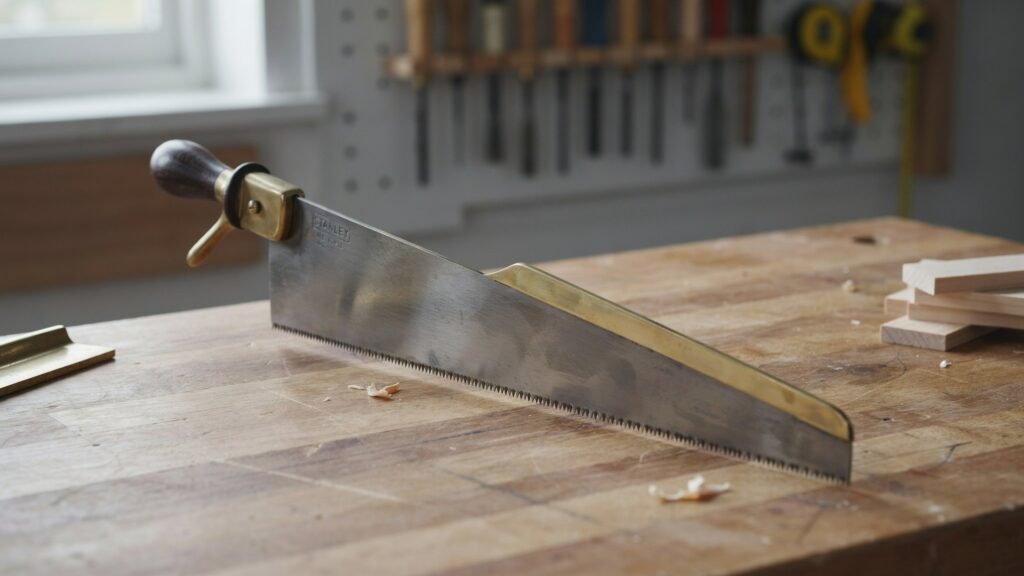
Table of Contents
What Is a Carcase Saw?
A carcase saw is a woodworking hand tool designed for making accurate, controlled cuts in wood. It has a relatively stiff blade, fine teeth, and a comfortable handle that helps users guide the saw precisely. It is commonly used in cabinet making, furniture construction, and other projects that require clean, straight cuts.
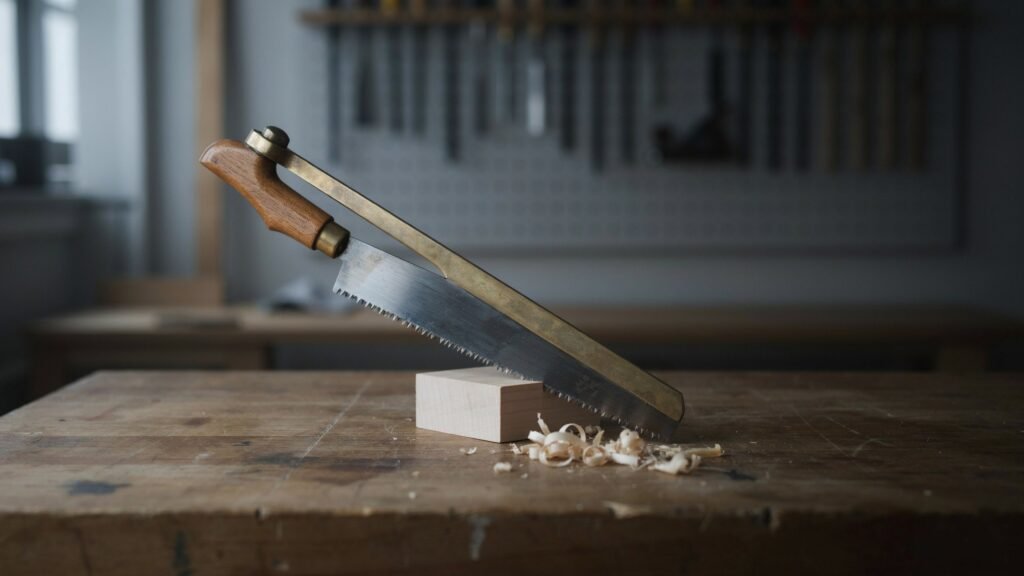
Unlike ordinary woodworking hand saws, this tool has a reinforced back that helps keep the blade straight during cutting. Its design makes it useful for preparing wooden parts and creating neat joints in small woodworking projects.
A carcass saw is another spelling commonly used for this traditional woodworking tool. It is particularly helpful when accuracy and a clean finish are more important than cutting speed.
The tool is suitable for experienced woodworkers and beginners who want to improve their hand-cutting skills. With proper technique and maintenance, it can support many detailed woodworking tasks.
Common Uses of a Carcase Saw
A carcase saw is a practical tool for woodworking tasks that need clean, precise results. Its rigid blade and small teeth allow better control when cutting wooden pieces for cabinets and furniture.
Cabinet Making
This tool is commonly used in cabinet making to cut wooden panels and prepare components for assembly. It helps create straight edges for shelves, cabinet sides, and other wooden parts.
Cutting Wood for Furniture
A woodworking hand saw of this type can help prepare pieces for tables, chairs, drawers, and small furniture projects. Its design supports controlled cutting when working with different types of wood.
Creating Wood Joints
Woodworkers use it to prepare accurate cuts for woodworking joints, including shoulders and other joint components. Careful cutting helps parts fit together properly during assembly.
Crosscutting Wooden Boards
With suitable teeth, it can make crosscuts across the wood grain. This is useful when shortening boards or trimming wooden components to the required length.
Fine Woodworking Projects
The tool is suitable for fine woodworking cuts where accuracy and a clean finish matter. It can help prepare small wooden parts for boxes, drawers, and other detailed projects.
For best results, secure the workpiece firmly and use steady strokes. Choose the appropriate saw for the wood thickness and cut you need, and keep the blade clean and sharp.
Trimming Wooden Components
A carcass saw can be used for trimming wooden pieces to the correct size before assembly. It helps woodworkers remove small amounts of material and prepare edges for a better fit.
Making Drawer Parts
In drawer construction, this hand saw can cut pieces used for drawer sides, fronts, and backs. Accurate cuts help keep the components aligned during assembly.
Cutting Hardwood
A suitable backsaw can cut hardwood when its teeth are appropriate for the material. Slow, controlled strokes help maintain accuracy and reduce the risk of damaging the wood.
Preparing Joinery Shoulders
Woodworkers can use this tool to cut shoulder joints for furniture frames and cabinet components. These cuts help define where one wooden part meets another.
Repairing Wooden Furniture
A fine woodworking saw can help with small furniture repairs, such as trimming replacement pieces or adjusting wooden components. Careful measuring and cutting help achieve a proper fit without removing too much material.
Key Features of a Carcase Saw
A carcass saw is designed for accurate woodworking and controlled cutting. Its main features help users produce clean edges and prepare wooden parts for furniture and cabinet projects.
Stiff Blade
A reinforced saw blade has a rigid back that helps reduce blade bending during use. This design supports straight, controlled cuts when preparing wooden components.
Fine Saw Teeth
The fine teeth help create neat cuts in wood. Tooth shape and spacing affect whether the saw works better for cutting across or along the wood grain.
Comfortable Handle
An ergonomic wooden saw handle or a well-shaped modern handle provides a secure grip. Good control makes it easier to guide the blade accurately.
Reinforced Back
The steel back reinforcement adds stiffness to the blade and helps it maintain its shape during cutting. However, it also limits the depth of cut because the reinforced back can contact the wood.
Compact Design
A compact woodworking hand saw is easy to control for smaller projects, including cabinet components, drawers, and furniture parts. Its size supports detailed work without requiring a large power tool.
Accurate Cutting Performance
The combination of a rigid blade and suitable teeth supports precision woodworking. With proper measuring and steady strokes, users can prepare edges and joints for accurate assembly.
Selecting suitable teeth for the job and cleaning the blade regularly can improve cutting efficiency and help you achieve cleaner results.
10 Creative Woodworking Patterns and Cutting Tips
Benefits and Limitations of a Carcase Saw
A carcass saw is a manual woodworking tool made for precise, steady cuts. It works well for building cabinets and furniture, although users should also consider its drawbacks before choosing it for a project.
Benefits of a Carcase Saw
- Accurate cuts: Its rigid blade helps produce straight, controlled cuts for detailed woodworking tasks.
- Clean finish: Suitable saw teeth can create neat edges when the tool is used correctly.
- Better control: The handle and reinforced blade help users guide the saw through the wood.
- Useful for joinery: It can help prepare woodworking joints for drawers, cabinets, and furniture components.
- No electricity required: This manual tool works without power, making it useful in a basic workshop.
Limitations of a Carcase Saw
- Limited cutting depth: The reinforced back restricts how deeply the blade can cut into thick wood.
- Slower operation: Manual cutting usually takes longer than using a suitable power saw for repetitive tasks.
- Requires practice: Beginners may need time to develop accurate cutting techniques.
- Regular maintenance: Keeping the blade clean, sharp, and free from rust is important for good performance.
- Not suitable for every cut: Its design is less practical for curved cuts and large cutting jobs.
Is It the Right Tool for Your Project?
A backsaw of this type is a useful choice for small woodworking projects that require accuracy and control. However, a different saw may be more suitable for thick timber, curved shapes, or jobs that require fast material removal. Choose the tool according to the wood, cut depth, and finish you need.
How to Use a Carcase Saw Safely
Using a carcass saw safely helps you make accurate cuts while reducing the risk of injury. Follow these simple steps to improve control and protect your hands during woodworking.
Inspect the Saw Before Use
Before using the saw, inspect its blade for rust, damaged areas, or missing teeth. Ensure the handle is firmly attached and easy to grip. Avoid using the tool if any part is damaged.
Secure the Wood
Place the workpiece on a stable workbench and secure it with woodworking clamps. Keeping the wood firmly in place prevents slipping and helps you maintain accurate cuts.
Hold the Saw Correctly
Grip the saw handle firmly but comfortably. Keep your other hand away from the cutting path, and never place your fingers directly in front of the blade.
Cut with Controlled Strokes
Begin with light, steady strokes to create a clear groove along the cutting line. Guide the backsaw steadily without forcing it through the wood. Let the teeth do the cutting to maintain control and reduce binding.
Wear Suitable Safety Equipment
Wear safety glasses to protect your eyes from wood particles. Keep loose clothing, jewellery, and long hair away from the blade and work area.
Store the Tool Safely
After finishing, clean the blade and store the saw in a dry, secure location. Proper hand saw maintenance helps prevent rust and keeps the tool ready for future projects.
Work in a properly lit space and keep your work area tidy and free of clutter. Safe habits help you achieve cleaner cuts and reduce avoidable accidents.

How to Maintain a Carcase Saw
Proper maintenance helps a carcass saw remain sharp, accurate, and ready for woodworking projects. Regular care can reduce rust, protect the blade, and extend the tool’s working life.
Clean the Blade After Use
Wipe the saw blade with a clean, dry cloth after each use. Remove sawdust, moisture, and wood residue to help prevent rust and maintain cutting performance.
Keep the Teeth Sharp
Sharp saw teeth cut more efficiently and require less effort. When the saw teeth lose their sharpness or become damaged, sharpen them with the correct file or seek help from an experienced hand-saw sharpening specialist.
Prevent Rust
Keep the blade dry and apply a light protective oil when needed. Proper rust prevention is especially important when storing the tool in a humid workshop.
Check the Handle and Back
Inspect the saw handle for cracks or looseness. Also check the reinforced back for damage, as these parts help maintain control and blade stability.
Store the Saw Properly
Keep the tool in a dry place, away from moisture and corrosive materials. A saw storage case or protective cover can help prevent accidental damage to the blade and teeth.
Inspect Before Each Project
Before cutting, check the blade for rust, missing teeth, or other damage. Regular hand saw maintenance helps keep the tool safe and reliable.
With consistent cleaning, careful storage, and timely sharpening, you can maintain your saw’s performance and achieve better results in woodworking projects.
Conclusion
A carcase saw is a useful tool for woodworking projects that require controlled cuts and accurate results. Its rigid blade makes it suitable for cabinet making, furniture construction, and preparing wood joints. By learning its features, using it safely, and maintaining the blade properly, you can improve your cutting accuracy and extend the tool’s working life.
Top 5 FAQs About Carcase Saw
Q1. What Is a Carcase Saw Used For?
A carcase saw is used for accurate woodworking cuts, including preparing wooden parts for cabinets, drawers, furniture, and wood joints.
Q2. What Are the Main Features of a Carcase Saw?
Its main features include a stiff blade, reinforced back, fine teeth, and a comfortable handle for controlled cutting.
Q3. What Is the Difference Between a Carcase Saw and a Tenon Saw?
Both are backsaws used for precise woodworking. A tenon saw is commonly associated with cutting tenons and deeper joinery, while a carcase saw is often used for cabinet components and general joinery cuts.
Q4. Can a Carcase Saw Cut Hardwood?
Yes, a carcase saw can cut hardwood when its blade and teeth are suitable for the material. Slow, controlled strokes help produce accurate results.
Q5. How Do You Maintain a Carcase Saw?
Clean and dry the blade after use, protect it from rust, inspect the teeth and handle regularly, and store the saw in a dry place.