
Introduction
A cross cut sled for table saw is one of the most useful tools for woodworkers looking to achieve precise, safe, and repeatable cuts. It guides the material through the blade accurately, making it easier to handle small or large workpieces. Whether you are a beginner or a professional, a cross cut sled improves table saw accuracy, reduces errors, and enhances overall safety in any woodworking project.
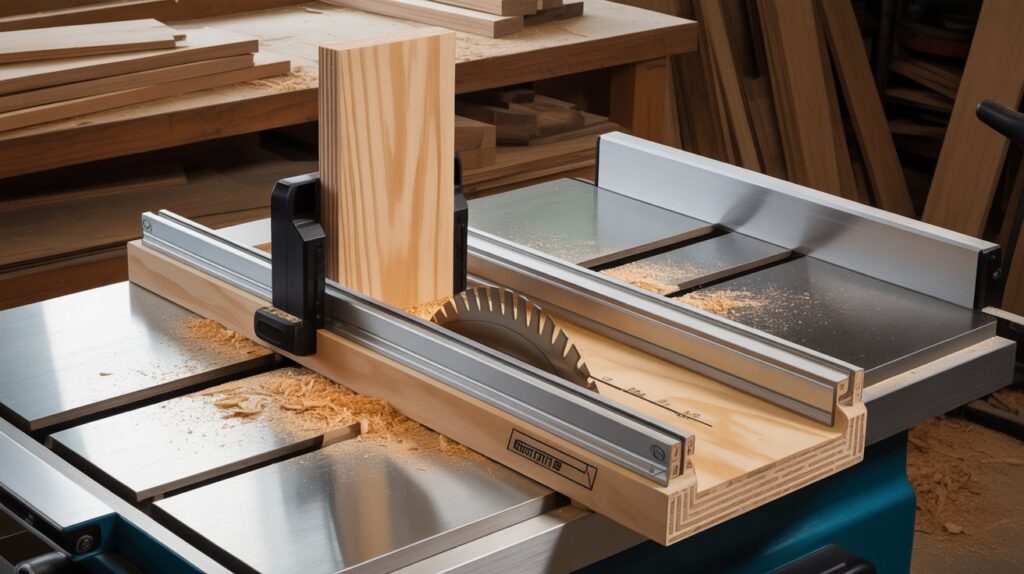
Table of Contents
What Is a Cross Cut Sled for a Table Saw?
A cross cut sled is a woodworking jig that slides along the table saw’s miter slots to guide material straight and square through the blade. It consists of a flat base, runners fitted to the saw’s slots, and a fixed fence that holds the workpiece at a perfect right angle. Compared to a miter gauge alternative, this setup offers greater stability and accuracy, especially when making straight and square cuts.
This tool is widely used in woodworking shops to improve table saw accuracy and to handle small or wide boards more safely. By keeping the material firmly supported, it allows for repeatable cross cuts and better control, making it an essential part of woodworking jigs and sleds for DIY projects and professional work alike.
Benefits of Using a Cross Cut Sled for Table Saw
Improved Accuracy and Precision
A table saw sled for accurate cuts helps maintain perfect alignment during every pass. With a solid fence and stable base, it delivers straight and square cuts consistently, reducing measurement errors and material waste. This level of precision is especially useful for furniture making and detailed woodworking projects.
Enhanced Safety While Cutting
Using a precision cross cut sled improves woodworking safety by keeping hands farther from the blade. It supports cutting small workpieces safely and minimizes the risk of kickback, making it a reliable option for both beginners and experienced users.
Better Control and Stability
Unlike standard guides, a table saw crosscut guide holds the material firmly in place. This added control prevents shifting during the cut and ensures repeatable cross cuts, even when working with wider boards or delicate pieces.
Time-Saving and Consistent Results
For DIY woodworking projects and professional shop work, a professional table saw sled speeds up production by delivering consistent results without constant readjustment. Once set up, it becomes a dependable woodworking shop accessory for daily use.
Types of Cross Cut Sleds
There are the following common types of cross cut sleds.
Basic Table Saw Cross Cut Sled
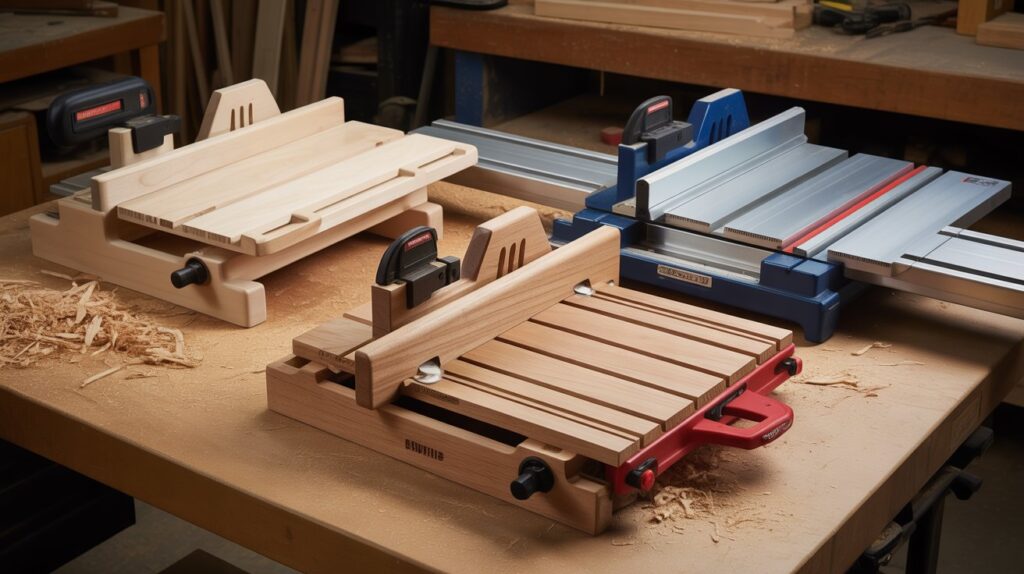
This is the most common option used in many woodworking shops. It features a simple base, fixed fence, and runners designed for smooth movement. A table saw sled for beginners is ideal for learning proper cutting techniques while achieving straight and square cuts.
Precision and Adjustable Sleds
Precision cross cut sleds are designed for users who need higher table saw accuracy. These models often include adjustable fences, stop blocks, and measurement scales, making them suitable for repeatable cross cuts in detailed woodworking projects.
DIY Woodworking Sleds
Many DIY users prefer building their own sleds as part of custom woodworking jigs and sleds. A DIY woodworking project allows full control over size, materials, and features while keeping costs low and performance tailored to specific needs.
Professional and Commercial Sleds
Professional table saw sleds are factory-made and built for durability and consistent performance. They are ideal woodworking shop accessories for frequent use, offering reliable alignment and smooth operation for demanding workloads.
Key Features to Look for in a Cross Cut Sled for Table Saw
Fence Quality and Squareness
A strong, straight fence is essential for achieving straight and square cuts. High-quality table saw crosscut guides rely on a rigid fence to maintain consistent alignment, which directly improves table saw accuracy during repeated use.
Smooth and Accurate Runners
Well-fitted runners ensure the sled moves smoothly in the miter slots without side play. This feature is critical for repeatable cross cuts and helps reduce vibration, leading to cleaner and more precise results.
Durable Base Material
A flat, stable base supports the workpiece evenly throughout the cut. Materials like plywood or MDF are commonly used in woodworking jigs and sleds because they resist warping and help maintain long-term accuracy.
Safety and Control Features
Look for designs that support cutting small workpieces safely. Added elements such as stop blocks and hold-down options improve control and enhance woodworking safety tools in both DIY and professional environments.
Compatibility and Ease of Adjustment
A well-designed professional table saw sled should fit standard saw slots and allow easy calibration. Simple adjustments help maintain accuracy and make the sled a reliable woodworking shop accessory over time.
How to Choose the Right Cross Cut Sled
Consider Your Skill Level and Project Type
Beginners should look for a simple table saw sled for beginners that offers stability and easy setup. DIY woodworking projects may benefit from a custom-built sled, while professionals often require precision cross cut sleds for repeatable cross cuts and detailed work.
Check Table Saw Compatibility
Ensure the sled fits your table saw’s miter slots and can accommodate different blade sizes. Proper alignment is essential for achieving straight and square cuts, which improves table saw accuracy and overall safety.
Evaluate Materials and Build Quality
A durable base, sturdy fence, and smooth runners are important features in any woodworking jigs and sleds. High-quality materials reduce warping and provide long-term performance for both hobbyists and professional woodworking shop environments.
Budget and Usage Frequency
DIY woodworking sleds can be cost-effective for occasional use, while professional table saw sleds offer more durability for frequent work. Consider how often you’ll use the sled to determine whether investing in a high-end model is worthwhile.
Additional Features
Features such as adjustable fences, stop blocks, and hold-downs enhance control and help cut small workpieces safely. Choosing a sled with these additions can improve efficiency, accuracy, and safety in all types of woodworking projects.
How to Use a Cross Cut Sled Safely
Proper Setup and Alignment
Before making any cuts, ensure the table saw crosscut guide is square to the blade and the runners fit snugly in the miter slots. Correct alignment is crucial for straight and square cuts and improves table saw accuracy in every pass.
Correct Hand Positioning
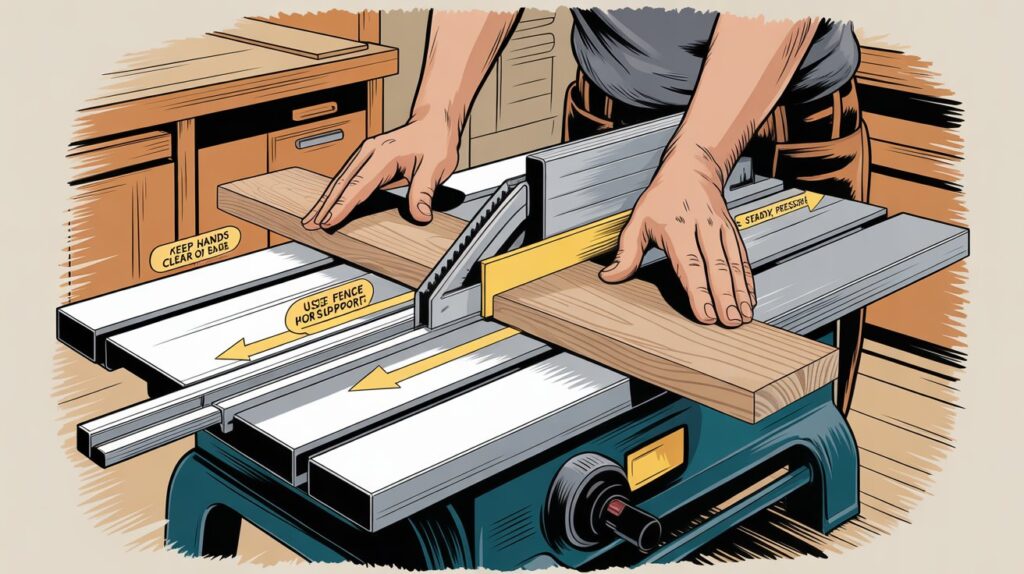
Keep your hands clear of the blade and use the sled’s fence for support. This practice reduces the risk of injury and allows better control when cutting small workpieces safely.
Avoid Common Safety Mistakes
Never force the material through the blade or lift the sled during a cut. Maintaining steady, even pressure helps prevent kickback and ensures repeatable cross cuts in both DIY woodworking projects and professional shop work.
Regular Maintenance
Check the runners and base periodically for wear or warping. Well-maintained woodworking jigs and sleds provide smoother operation and consistent accuracy, enhancing both safety and performance over time.
DIY vs Buying a Cross Cut Sled
DIY Cross Cut Sled
Building your own sled allows full control over size, materials, and features. DIY woodworking projects often use plywood or MDF for the base, combined with precision runners and a straight fence. This approach is cost-effective and ideal for hobbyists or beginners looking to improve table saw accuracy while learning essential woodworking skills.
Buying a Pre-Made Sled
Commercial sleds are designed for durability, smooth operation, and professional-grade precision. They often include adjustable fences, stop blocks, and measurement guides, making them suitable for repeatable cross cuts in both woodworking shops and DIY setups.
Pros and Cons
DIY sleds offer customization and low cost but may require time and skill to build accurately. Pre-made sleds provide reliability and immediate usability but at a higher price. Choosing between the two depends on your budget, project type, and desired level of table saw accuracy.
Choosing the Best Option
For beginners and casual DIY users, a homemade sled can deliver excellent results while enhancing woodworking skills. Professionals or frequent users benefit from a pre-made sled as a long-lasting woodworking shop accessory for safe, precise, and consistent cuts.
Common Mistakes When Using a Cross Cut Sled
Misaligned Fence
One of the most common errors is using a fence that is not perfectly square to the blade. This misalignment reduces table saw accuracy and can result in cuts that are not straight or square. Checking and adjusting the fence regularly is essential for precise cross cuts.
Poor Runner Fit
Runners that are too loose or too tight in the miter slots can cause wobbling or binding. A well-fitted sled ensures smooth movement and better control, which is important for repeatable cross cuts and overall woodworking safety.
Ignoring Blade Clearance
Failing to account for blade height or kerf width can damage the sled or workpiece. Always ensure proper blade clearance to maintain straight and square cuts, especially when cutting small or delicate pieces.
Overloading the Sled
Trying to cut oversized or heavy materials beyond the sled’s capacity reduces control and increases the risk of kickback. Using the sled within its intended limits ensures safer operation and better results in both DIY woodworking projects and professional shop work.
Skipping Regular Maintenance
Neglecting to inspect the base, fence, or runners can lead to warping or inaccuracy over time. Maintaining woodworking jigs and sleds keeps them operating smoothly and preserves table saw accuracy for every project.
Conclusion
A cross cut sled for table saw is an essential woodworking accessory that enhances accuracy, safety, and efficiency. Whether you are a beginner, a DIY enthusiast, or a professional, using a sled ensures straight and square cuts while protecting both the workpiece and the user. By understanding the types, key features, and proper usage, you can choose or build a sled that fits your needs and improves the overall quality of your woodworking projects. Investing time in the right sled makes cutting easier, safer, and more precise every time.
FAQS
Q.1 What is the difference between a cross cut sled and a miter gauge?
A cross cut sled offers better stability and control compared to a standard miter gauge. While a miter gauge guides the material at angles, a sled provides a flat, square fence for straight and repeatable cross cuts, improving table saw accuracy and safety.
Q.2 Can I make my own cross cut sled for DIY projects?
Yes, many woodworkers prefer building a DIY sled using plywood or MDF for the base and precise runners. DIY woodworking sleds are cost-effective, customizable, and great for learning proper cutting techniques while maintaining straight and square cuts.
Q.3 How do I ensure my sled is square and accurate?
Proper alignment of the fence and smooth runners are essential. Use a carpenter’s square to check the fence, ensure the runners fit snugly in the table saw slots, and periodically maintain your woodworking jigs and sleds to preserve table saw accuracy.
Q.4 What types of cross cut sleds are available?
There are basic sleds for beginners, adjustable precision sleds for detailed work, DIY woodworking sleds, and professional pre-made sleds for frequent use. Each type offers varying levels of accuracy, control, and durability depending on project needs.
Q.5 How can I use a cross cut sled safely?
Always keep hands away from the blade, use the fence for support, avoid forcing the material, and cut within the sled’s limits. Proper setup and maintenance of the sled prevent kickback and allow for repeatable cross cuts, making it safer for both small and large woodworking projects.