
Introduction
A miter saw blade is a critical tool for anyone working with wood, metal, or other materials. Choosing the right blade ensures precise cuts, smooth finishes, and long-lasting performance. With so many types, sizes, and materials available, understanding the features and applications of each blade is essential for achieving professional results and improving safety during your projects.
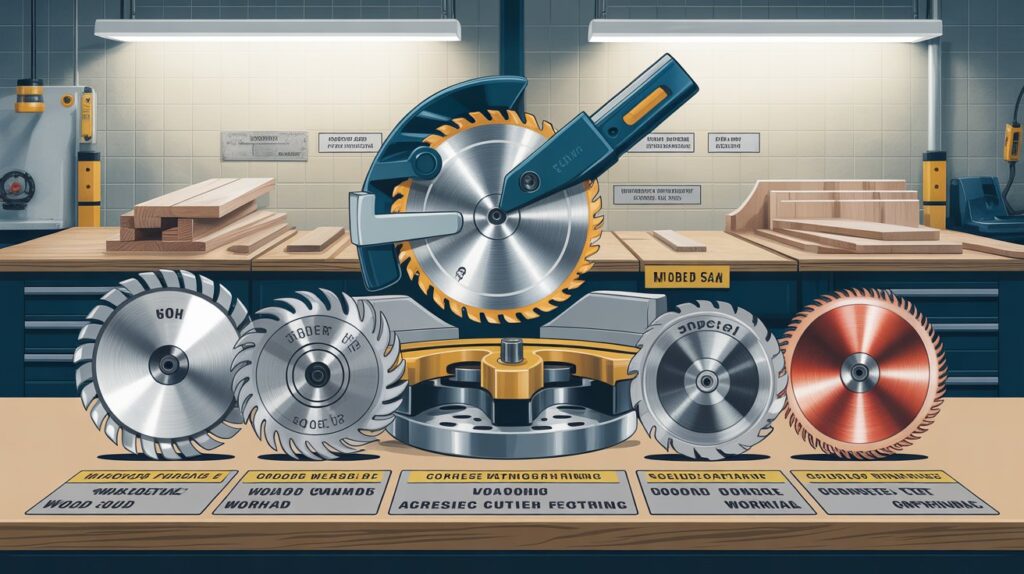
Table of Contents
What Is a Miter Saw Blade and How It Works?
A 12 inch miter saw blade or 10 inch miter saw blade is a circular cutting tool designed for precise angled cuts. The blade’s carbide teeth durability allows it to cut through wood, metal, and other materials efficiently. The arbor size compatibility ensures the blade fits securely on the saw for stable rotation.
The tooth count for miter saw blade affects how smooth or fast the cut will be: higher tooth counts deliver a smooth finish cutting, while lower counts are better for faster, rough cuts. Crosscut vs rip cut blade differences help determine the best choice depending on the type of material being cut. Features like blade kerf width and reducing tear out in cuts further improve accuracy.
Regular saw blade maintenance keeps the blade sharp and efficient, ensuring long-term performance and clean results on every project.
Types of Miter Saw Blades
1. High Tooth Count Blades
High tooth count miter saw blade is designed for smooth finish cutting on wood and soft materials. These blades reduce splintering and provide clean, precise edges, making them ideal for trim work and furniture projects.
2. Carbide-Tipped Blades
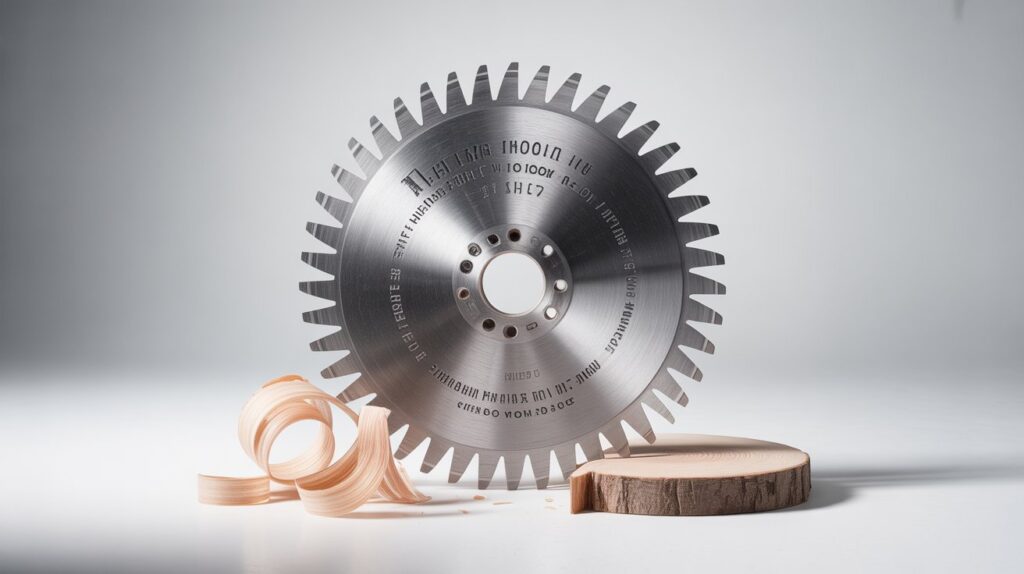
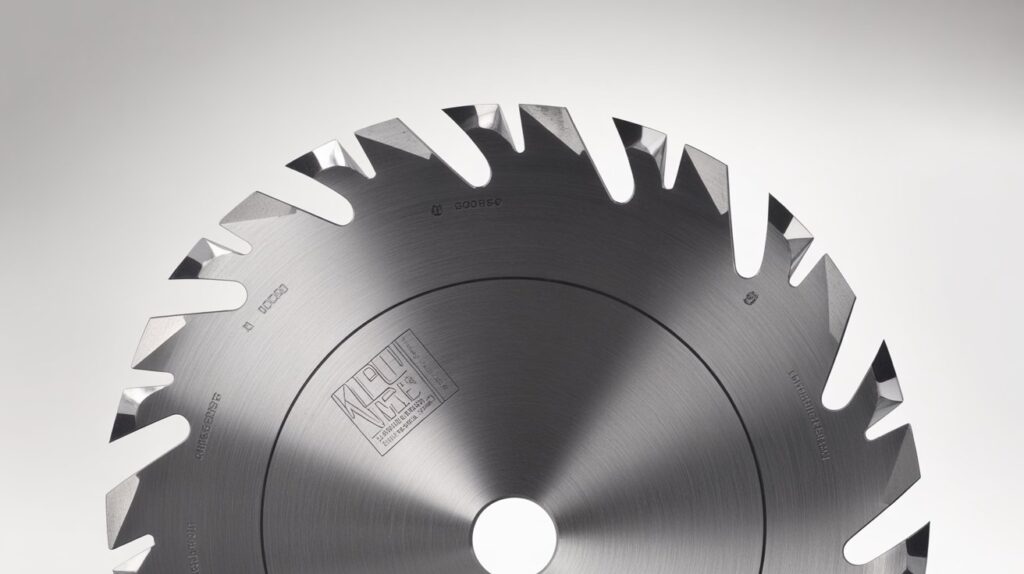
Carbide tipped miter saw blade offers enhanced carbide teeth durability, allowing it to cut through hardwoods, plywood, and even some metals with minimal wear. This type is long-lasting and maintains sharpness over multiple uses.
3. Blades for Metal and Aluminum
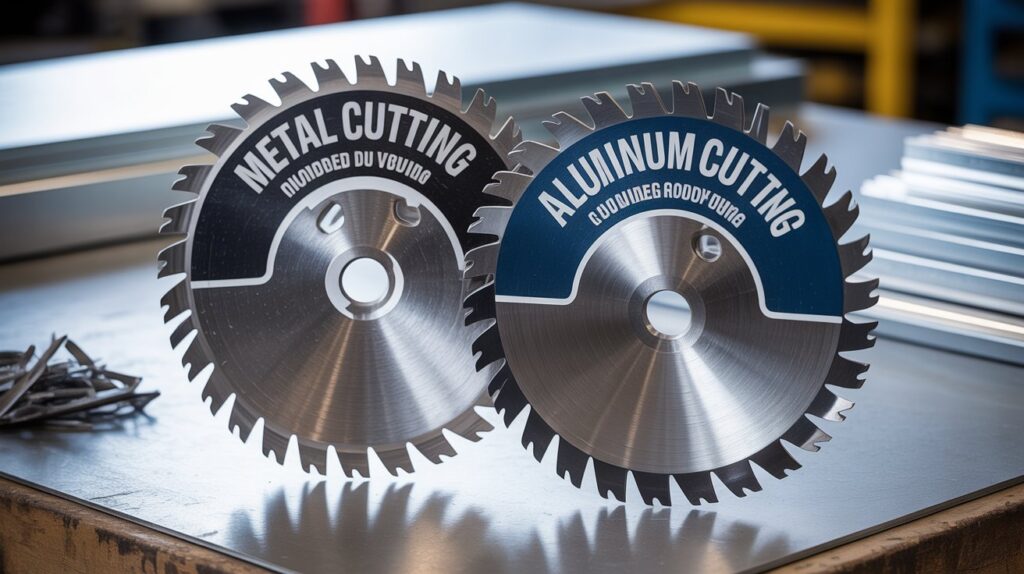
Miter saw blade for metal and miter saw blade for aluminum are specifically designed to handle harder materials. These blades usually have fewer teeth and a specialized design to prevent overheating while cutting.
4. Fine Finish Blades
Fine finish miter saw blade focuses on providing the cleanest cut possible, ideal for delicate woodworking. Its high tooth count for miter saw blade ensures reduced tear out in cuts and a polished look.
5. Sliding Miter Saw Blades
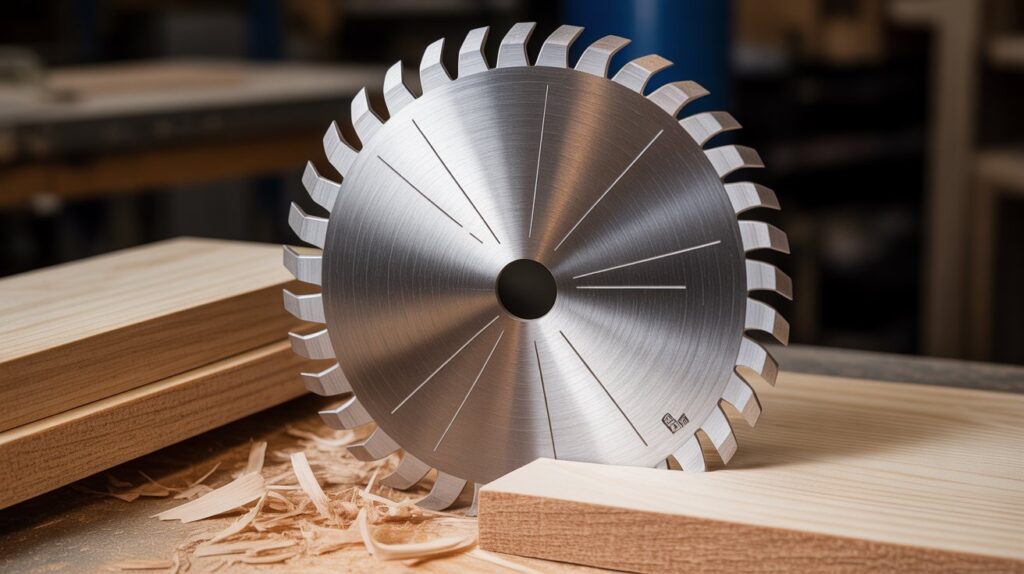
Sliding miter saw blade is built for saws with sliding capabilities, allowing longer cuts. They maintain consistent arbor size compatibility and are versatile for cutting wide boards and molding.
6. Replacement Blades
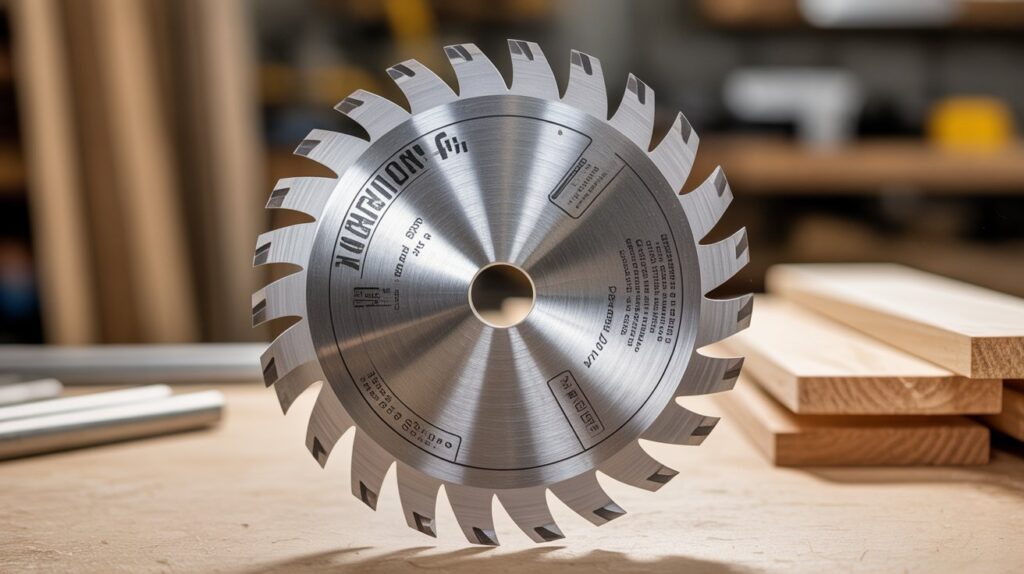
Miter saw blade replacement options are available for all types and sizes, including 10 inch miter saw blade and 12 inch miter saw blade. Regular replacement ensures optimal cutting performance and safety.
Miter Saw Blade Sizes and Compatibility
Common Blade Sizes
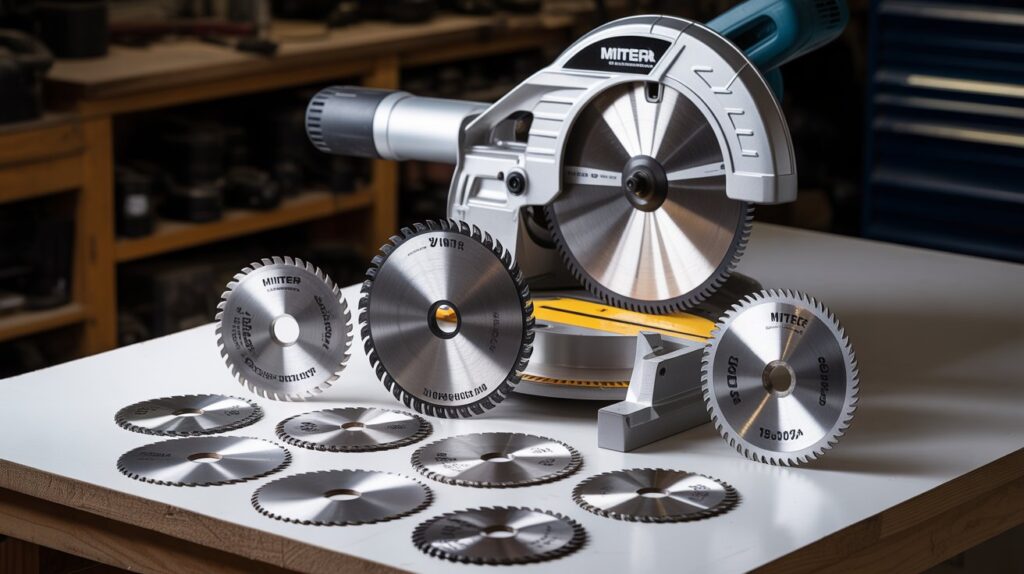
The most common sizes include 10 inch miter saw blade and 12 inch miter saw blade. The size affects the depth of cut and the type of materials you can work with. Larger blades allow for deeper cuts, making them suitable for thicker wood or wider boards.
Arbor Size Compatibility
Arbor size compatibility is crucial for ensuring the blade fits securely on your saw. Using a blade with the wrong arbor can cause wobbling, reduced cutting accuracy, and safety risks. Always match the blade’s arbor size with your miter saw specifications.
Blade Thickness and Kerf
The blade kerf width influences the precision and speed of the cut. Thinner kerf blades remove less material and require less power, while thicker kerf blades offer better stability for tougher materials.
Material-Specific Compatibility
Different blades are optimized for specific materials. For example, miter saw blade for wood is designed for smooth finish cuts, while miter saw blade for metal and miter saw blade for aluminum handle harder materials without dulling quickly.
Sliding vs Non-Sliding Saws
Sliding miter saw blade compatibility allows for longer crosscuts on wide boards. Fixed blades work well for standard cutting tasks, but sliding blades increase versatility and efficiency for larger projects.
Tooth Count and Its Impact on Cutting Performance
Understanding Tooth Count
The tooth count for miter saw blade determines how many cutting edges are on the blade. A higher tooth count provides finer, smoother cuts, while a lower tooth count allows faster, rougher cuts ideal for framing or bulk material removal.
Smooth Finish Cutting
Blades with a higher number of teeth are perfect for smooth finish cutting on hardwood, plywood, and delicate materials. They reduce splintering and improve the overall appearance of the cut.
Crosscut vs Rip Cut Blades
The choice between crosscut vs rip cut blade affects cutting performance. Crosscut blades typically have more teeth to slice cleanly across the grain, while rip cut blades have fewer teeth to cut quickly along the grain.
Material Considerations
Using a miter saw blade for wood with the appropriate tooth count ensures precision, while miter saw blade for metal or miter saw blade for aluminum requires specific tooth arrangements to prevent overheating and maintain carbide teeth durability.
Reducing Tear Out in Cuts
Proper tooth count also helps in reducing tear out in cuts, providing clean edges without damaging the workpiece. Matching the tooth count to your material and cut type enhances efficiency and extends blade life.
Choosing the right tooth count is essential for achieving accurate, high-quality results on any project.
Blade Materials and Construction
Carbide-Tipped Blades
Carbide tipped miter saw blade is the most common choice due to its carbide teeth durability. These blades stay sharp longer, cut cleanly through hardwood, softwood, and some metals, and withstand high-speed use without significant wear.
Steel Blades
Standard steel blades are less expensive but wear out faster. They are suitable for occasional use or softer materials but lack the longevity and cutting precision of carbide tipped miter saw blade.
Blade Thickness and Kerf
The blade kerf width affects cutting performance. Thicker blades offer stability and less vibration, while thinner blades reduce material waste and require less power, making them ideal for fine cuts.
Tooth Design and Count
The arrangement of tooth count for miter saw blade and shape influences cutting speed and smoothness. High tooth counts provide smooth finish cutting, while lower counts are optimized for fast, rough cuts. Crosscut vs rip cut blade designs determine whether the blade excels at slicing across or along the grain.
Sliding vs Fixed Blade Construction
Sliding miter saw blade construction allows for longer cuts on wide boards, while fixed blades are more rigid and precise for standard cuts. Material and build quality together ensure safety, efficiency, and consistent performance across all projects.
Choosing the right blade material and construction is essential for durability, cutting accuracy, and the type of projects you plan to undertake.
Choosing the Right Miter Saw Blade for Different Materials
1. Wood Cutting
For cutting wood, select a miter saw blade for wood with a high tooth count for miter saw blade. This ensures smooth finish cutting and reduces splintering on hardwood, softwood, and plywood. A fine finish miter saw blade is ideal for trim work and furniture projects.
2. Metal Cutting
For metal projects, use a blade specifically designed for metal or aluminum to ensure safe and efficient cutting. These blades are designed to handle harder materials without losing carbide teeth durability, preventing overheating and maintaining clean cuts.
3. Fast Cutting Needs
For quick, rough cuts, low-tooth crosscut vs rip cut blade options are best. They remove material faster but may leave rough edges, making them suitable for framing, decking, or bulk cuts.
4. Sliding Saws
Sliding miter saw blade options are perfect for wide boards or long cuts. They maintain arbor size compatibility and ensure consistent performance without compromising precision.
5. Replacement and Versatility
Regular miter saw blade replacement ensures optimal performance and safety. Matching the blade to your material type, project requirements, and cutting style maximizes efficiency and extends the life of your saw.
Selecting the right blade based on material type ensures precision, durability, and high-quality results for every project.
Safety Tips When Using a Miter Saw Blade
1. Wear Protective Gear
Always use safety glasses, ear protection, and gloves to protect yourself from debris when using any miter saw blade for wood or miter saw blade for metal.
2. Check Blade Installation
Ensure the arbor size compatibility is correct and the blade is securely tightened. Loose blades can wobble and cause accidents.
3. Use the Right Blade for the Material
Selecting the correct blade, such as fine finish miter saw blade for delicate wood or miter saw blade for aluminum for metals, reduces the risk of kickback and ensures clean, controlled cuts.
4. Maintain Blade Condition
Regular miter saw blade replacement and proper saw blade maintenance prevent dull blades from binding or overheating, which can be dangerous.
5. Control Cutting Speed and Pressure
Avoid forcing the blade. Let the crosscut vs rip cut blade do the work at its own speed. Applying excessive pressure can damage the material and increase the risk of injury.
6. Keep Hands Clear
Maintain a safe distance from the blade and use clamps when possible to hold the material steady.
7. Reduce Tear Out in Cuts
Using the correct tooth count for miter saw blade and cutting technique helps reducing tear out in cuts, keeping the material stable and minimizing hazards.
Following these safety tips ensures precise cuts while keeping yourself and your workpiece safe.
How to Increase the Lifespan of Your Miter Saw Blade
1. Regular Cleaning and Maintenance
Perform routine saw blade maintenance by removing resin, pitch, and debris from your miter saw blade for wood or miter saw blade for metal. Clean blades cut more efficiently and stay sharper longer.
2. Use the Correct Blade for Each Material
Always match the blade to the material type. Using a miter saw blade for aluminum on metal or a fine finish miter saw blade for delicate wood ensures optimal carbide teeth durability and prevents premature wear.
3. Monitor Tooth Count and Blade Type
Select the right tooth count for miter saw blade for your project. High tooth blades for smooth finishes or low tooth blades for faster cuts reduce unnecessary strain and maintain cutting performance.
4. Avoid Excessive Pressure
Let the blade cut at its intended speed. Forcing a crosscut vs rip cut blade can cause overheating and dull the teeth quickly, shortening the blade’s life.
5. Proper Storage
Store blades in a dry, safe place to prevent warping, rust, or damage to the teeth. Keeping your sliding miter saw blade protected ensures it remains accurate for every cut.
6. Replace When Necessary
Timely miter saw blade replacement prevents using a dull blade that can damage materials and strain the saw, preserving overall efficiency and safety.
Conclusion
Selecting the right miter saw blade is essential for accuracy, efficiency, and safety in all cutting projects. From understanding tooth count and blade materials to choosing the appropriate size and type for wood, metal, or aluminum, each decision impacts performance and durability. Regular maintenance, proper use, and timely replacement extend the life of your blades and ensure consistently smooth and precise cuts. By following these guidelines, you can maximize your tools’ effectiveness and achieve professional-quality results every time.
Q1. What size miter saw blade should I use?
The most common sizes are 10 inch miter saw blade and 12 inch miter saw blade. Choose based on the depth and width of your cuts. Larger blades can handle thicker wood and wider boards, while smaller blades are ideal for precision work and compact saws.
Q2. How many teeth should a miter saw blade have?
The tooth count for miter saw blade affects cutting performance. High-tooth blades provide smooth finish cutting on delicate wood or trim, while low-tooth blades are better for fast, rough cuts. Matching tooth count to the material ensures clean, efficient results.
Q3. Can I use the same blade for wood and metal?
No. Use a miter saw blade for wood for wood projects and a miter saw blade for metal or miter saw blade for aluminum for metal. Each blade is designed for specific materials to maintain carbide teeth durability and prevent damage or overheating.
Q4. How do I maintain my miter saw blade?
Regular saw blade maintenance is essential. Clean resin and debris from the blade, inspect for dull or damaged teeth, and ensure arbor size compatibility. Proper maintenance improves performance and extends the blade’s lifespan.
Q5. When should I replace my miter saw blade?
Consider miter saw blade replacement when cuts become rough, teeth are chipped, or the blade heats up quickly. Using a dull blade reduces cutting quality and can be unsafe. Timely replacement ensures smooth, precise, and safe cutting.