
Introduction
Can a mini chainsaw cut a tree? This is one of the most common questions homeowners, gardeners, and DIY enthusiasts ask before buying or using a compact chainsaw. The simple answer is yes, but only if the tree is within the tool’s recommended cutting capacity. A mini chainsaw is designed for pruning branches, trimming trees, cutting small trunks, and handling light to medium-duty outdoor tasks. However, understanding its limitations is just as important as knowing its strengths.
In this guide, you’ll learn what a mini chainsaw is, what size trees it can cut, its cutting capacity, the factors that affect its performance, essential safety tips, common mistakes to avoid, and When a full-size chainsaw is the better option. By the end of this article, you’ll know exactly when a mini chainsaw is the right tool for the job.
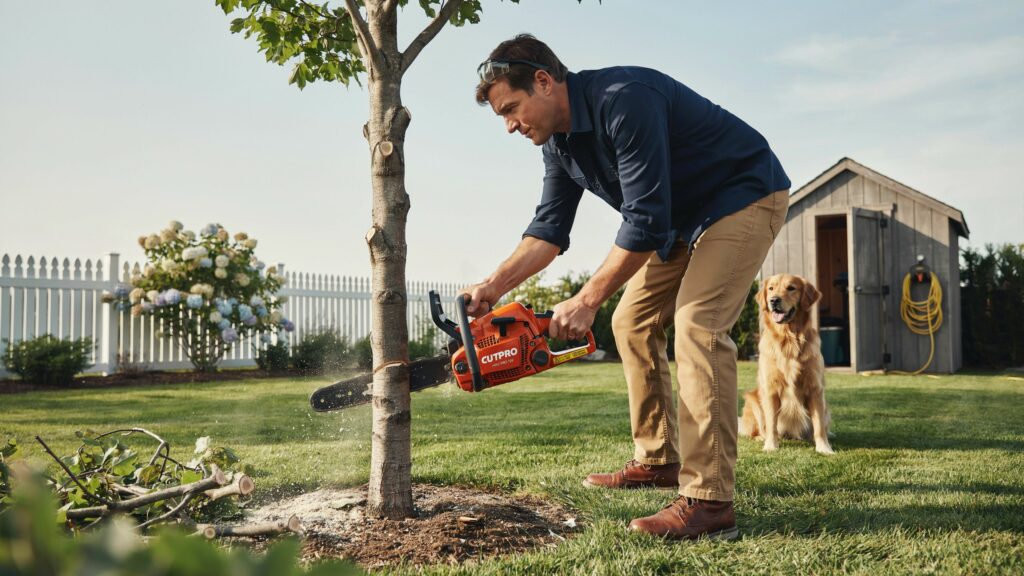
Table of Contents
What Size Tree Can a Mini Chainsaw Cut?
If you are asking, can a small chainsaw cut a tree?, the answer largely depends on the size of the tree. A mini chainsaw is designed for small to medium cutting tasks, making it ideal for pruning, trimming, and removing smaller trees rather than cutting large trunks.
The Compact chainsaw cutting capacity varies depending on the guide bar length, motor power, battery output, chain sharpness, and the hardness of the wood. Most mini chainsaws have a guide bar between 4 and 8 inches, allowing them to cut tree trunks that are typically 4 to 6 inches in diameter with ease. Some high-performance models equipped with longer bars and powerful motors may cut trunks up to 8 inches in diameter, but this often requires multiple cutting passes and careful handling.
For the best performance, the tree diameter should not exceed the effective cutting capacity of the chainsaw. Trying to cut a trunk that is too thick can slow the cutting process, place extra strain on the motor and battery, and increase the risk of kickback or chain binding. Using the tool within its recommended limits also helps extend its lifespan.
A Compact chainsaw for cutting trees works best on young trees, ornamental trees, fruit trees, saplings, and small hardwood or softwood trunks. It is also highly effective for removing thick branches, tree limbs, and storm-damaged wood. If your primary task involves tree trimming or maintaining a residential garden, a mini chainsaw is often more convenient than a full-size model.
However, if you need to cut mature trees with trunks larger than 8 inches in diameter, a standard chainsaw is the safer and more efficient choice. Understanding the difference between a mini chainsaw vs regular chainsaw helps you select the right tool for each job. A regular chainsaw offers a longer guide bar, more powerful motor, and greater cutting capacity for heavy-duty tree removal.
In summary, can a Portable chainsaw cut a tree? Yes, it can cut small trees effectively when the trunk size is within the tool’s recommended capacity. By matching the chainsaw to the size of the tree and following safe cutting practices, you can achieve clean, efficient cuts while protecting both the tool and the operator.
What Can a Mini Chainsaw Cut?
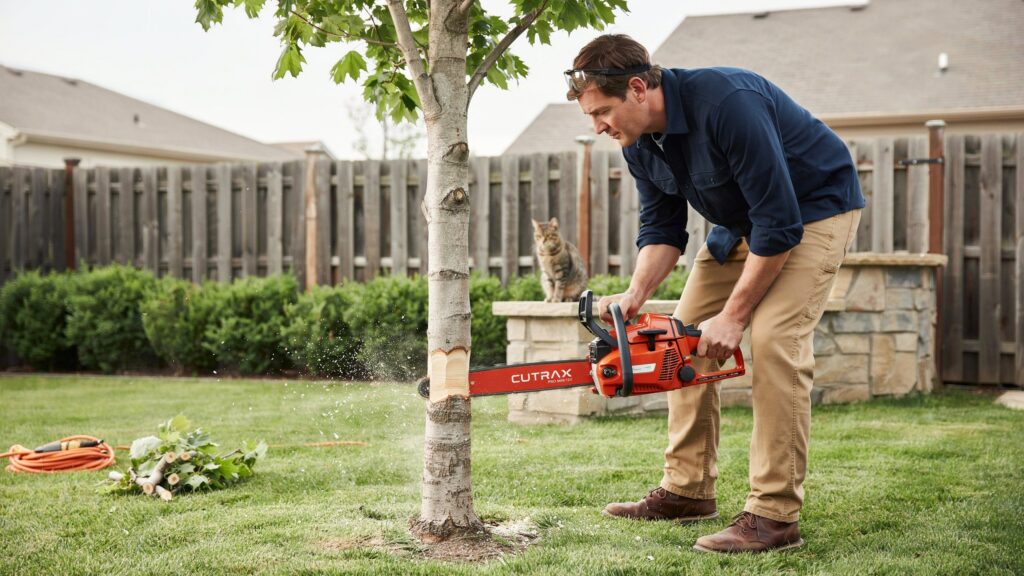
Knowing what a Portable chainsaw can cut helps determine whether it can cut a tree. While a mini chainsaw is not intended for heavy-duty logging, it is a versatile tool that handles many outdoor cutting tasks with speed and precision. Its compact size and lightweight design make it an excellent choice for homeowners, gardeners, and DIY users who need a reliable tool for regular property maintenance.
Small Trees
A Portable chainsaw for cutting trees is capable of cutting small trees with trunks that fall within its recommended cutting capacity. Most quality models can efficiently cut trees measuring 4 to 6 inches in diameter, while some powerful models can handle slightly larger trunks when used correctly. This makes mini chainsaws ideal for removing young trees, saplings, and unwanted growth around the yard.
Tree Branches and Limbs
One of the most common uses of a mini chainsaw is tree trimming. It easily cuts thick branches and tree limbs that are difficult to remove with hand pruners or loppers. Whether you are pruning fruit trees, shaping ornamental trees, or cleaning up storm-damaged branches, a mini chainsaw provides clean and controlled cuts.
Shrubs and Bushes
Mini chainsaws are ideal for trimming overgrown shrubs, thick bushes, and woody vegetation.. They make landscape maintenance faster and require much less physical effort than manual cutting tools, especially when dealing with thicker stems.
Firewood and Small Logs
A mini chainsaw can quickly cut small logs and branches into manageable pieces for firewood, camping, outdoor fireplaces, or wood-burning stoves. As long as the wood is within the mini chainsaw cutting capacity, it delivers smooth and efficient cuts with minimal effort.
Wooden Posts and Lumber
In addition to tree maintenance, mini chainsaws can cut wooden fence posts, landscape timbers, untreated lumber, and similar wood materials. They are useful for small construction projects, DIY woodworking, and general property maintenance where portability is important.
Storm Debris
After storms or strong winds, fallen branches and small tree limbs often block pathways or damage outdoor spaces. A mini chainsaw allows you to clear this debris quickly and safely, making cleanup easier without the need for a larger chainsaw.
What a Mini Chainsaw Should Not Cut
Although a mini chainsaw is a versatile wood cutting tool, it has limitations. It should not be used for cutting large tree trunks, mature hardwood trees, oversized logs, metal, stone, concrete, or other non-wood materials. Attempting to cut materials beyond its intended purpose can damage the chain, reduce performance, and create serious safety hazards.
In summary, can a mini chainsaw cut a tree? Yes, it can effectively cut small trees, branches, shrubs, firewood, and other wood materials within its recommended limits. Knowing what can a mini chainsaw cut and using it for the right tasks will improve cutting performance, extend the life of the tool, and help you work more safely and efficiently.
Factors That Determine Whether a Mini Chainsaw Can Cut a Tree
If you are wondering can a mini chainsaw cut a tree?, the answer depends on more than just the size of the chainsaw. Several factors influence how well a mini chainsaw performs and whether it can safely and efficiently cut a particular tree. Understanding these factors helps you choose the right tool and achieve better cutting results.
Bar Length
The guide bar length is one of the most important factors affecting a handheld mini chainsaw
cutting capacity. Most mini chainsaws come with a 4 to 8-inch bar, which is suitable for cutting small trees, branches, and logs. A longer bar allows the chainsaw to cut thicker trunks, while a shorter bar is better for precision work and tree trimming.
Motor Power
The motor determines how much cutting force the chainsaw can produce. A more powerful motor cuts through wood faster and handles denser materials more efficiently. High-performance cordless mini chainsaws generally provide better results when cutting hardwood or slightly larger tree trunks than lower-powered models.
Battery Performance
Most modern handheld mini chainsaw are battery-powered, so battery quality directly affects performance. A fully charged, high-capacity lithium-ion battery delivers consistent power and longer runtime, allowing the chainsaw to maintain cutting speed throughout the job. A weak or nearly depleted battery may reduce efficiency and make cutting more difficult.
Chain Sharpness
A sharp chain is essential for safe and effective cutting. Even the best handheld mini chainsaw for tree cutting will struggle if the chain becomes dull. Sharp chains cut faster, produce cleaner cuts, reduce strain on the motor, and improve overall safety. Regular sharpening and proper chain maintenance help maintain optimal performance.
Tree Diameter
The size of the tree is a major factor in determining can a handheld mini chainsaw cut a tree? Most mini chainsaws are designed to cut trunks measuring 4 to 6 inches in diameter, while some premium models can handle trees up to 8 inches with multiple passes. Attempting to cut trees that exceed the tool’s recommended capacity can overload the motor and increase the risk of accidents.
Wood Type
Different wood species require different amounts of cutting power. Softwoods such as pine, cedar, and spruce are generally easier to cut than hardwoods like oak, maple, or hickory. Dense hardwood places greater demand on the motor and chain, reducing cutting speed and increasing battery consumption.
Tree Condition
The condition of the tree also affects cutting performance. Healthy, dry wood is usually easier to cut than wet, green, or damaged wood. Trees containing dirt, embedded nails, or other foreign objects can quickly dull the chain and may damage the chainsaw.
User Technique
Proper cutting technique plays an important role in achieving safe and efficient results. Allowing the chain to do the work instead of forcing the saw through the wood improves cutting performance and reduces wear on the motor. Using stable body positioning and following safe tree trimming practices also helps prevent kickback and loss of control.
Chainsaw Maintenance
Regular maintenance keeps a micro chainsaw operating at its best. Cleaning the chain, checking chain tension, lubricating moving parts, and inspecting the guide bar all contribute to better performance. A well-maintained wood cutting tool lasts longer, cuts more efficiently, and is safer to use.
In conclusion, can a mini chainsaw cut a tree? Yes, but its success depends on factors such as bar length, motor power, battery performance, chain sharpness, tree diameter, wood type, and proper maintenance. By understanding these factors and using the chainsaw within its intended limits, you can complete tree-cutting tasks safely, efficiently, and with better results.
When Should You Use a Regular Chainsaw Instead?
Although the answer to can a mini chainsaw cut a tree? is yes, there are situations where a regular chainsaw is the safer and more effective choice. Mini chainsaws are designed for light to medium-duty tasks, while full-size chainsaws provide the power and cutting capacity needed for demanding jobs. Choosing the right tool improves efficiency, produces cleaner cuts, and reduces safety risks.
Cutting Large Trees
A regular chainsaw should be used when cutting trees with trunks larger than the recommended mini chainsaw cutting capacity. Most mini chainsaws work best on trees measuring 4 to 6 inches in diameter, while larger trees require a longer guide bar and a more powerful motor. Using a mini chainsaw on oversized trunks can overload the tool and increase the chance of kickback.
Felling Mature Trees
If you need to remove a mature or tall tree, a regular chainsaw is the better option. Tree felling requires deeper cuts, greater cutting power, and better control than a mini chainsaw can provide. Full-size chainsaws are specifically designed for this type of work and are commonly used by professionals.
Cutting Thick Hardwood
Hardwood species such as oak, maple, hickory, and elm are much denser than softwoods. Although a mini chainsaw for cutting trees can handle small hardwood branches, cutting thick hardwood trunks requires the additional power of a regular chainsaw. This allows for faster cutting while reducing strain on the motor and chain.
Processing Large Firewood Logs
If you regularly cut large logs into firewood, a standard chainsaw will save time and effort. Its longer guide bar allows you to cut through thick logs in fewer passes, making it much more efficient than a compact chainsaw.
Heavy-Duty Outdoor Projects
Land clearing, storm cleanup involving large fallen trees, forestry work, and commercial landscaping often require continuous cutting for extended periods. In these situations, a regular chainsaw offers longer operating times, greater durability, and higher cutting performance than a mini chainsaw.
Working with Thick Tree Limbs
While small chainsaws are excellent for tree trimming and removing small branches, very thick tree limbs may exceed their recommended limits. A regular chainsaw provides the reach and power needed to cut heavy limbs safely and efficiently.
Comparing Mini Chainsaw vs Regular Chainsaw
Understanding the difference between a mini chainsaw vs regular chainsaw helps you choose the right tool for each task.
| Feature | Mini Chainsaw | Regular Chainsaw |
|---|---|---|
| Best Use | Pruning, trimming, and small trees | Large trees, heavy-duty cutting, and tree felling |
| Bar Length | Usually 4–8 inches | Usually 12–24 inches or longer |
| Weight | Lightweight and portable | Heavier but more powerful |
| Cutting Capacity | Small trunks and branches | Large trunks and thick logs |
| Ease of Use | Beginner-friendly | Requires more experience and control |
Which Chainsaw Should You Choose?
The best option depends on the job you need to complete. If your tasks include pruning branches, cutting small trees, clearing shrubs, or performing routine yard maintenance, a mini chainsaw is an excellent wood cutting tool. However, if you frequently cut mature trees, thick hardwood, or large logs, investing in a regular chainsaw will provide better performance and improved safety.
In conclusion, can a handheld mini chainsaw cut a tree? Yes, it works well for small trees and routine cutting jobs. However, when the tree is too large, the wood is too dense, or the job requires extended heavy-duty cutting, a regular chainsaw is the safer, faster, and more reliable choice. Using the appropriate tool for each task ensures better results, protects your equipment, and helps you work safely.
Advantages and Limitations of Using a Mini Chainsaw
If you are wondering can a mini chainsaw cut a tree?, understanding its advantages and limitations will help you decide whether it is the right tool for your needs. Mini chainsaws are designed for convenience and efficiency, but like any power tool, they perform best when used for the tasks they were built to handle.
Advantages of Using a Mini Chainsaw
Lightweight and Easy to Handle
One of the biggest advantages of a mini chainsaw is its compact and lightweight design. It is much easier to carry and control than a full-size chainsaw, making it ideal for homeowners, beginners, and anyone who wants to reduce fatigue during cutting tasks.
Perfect for Tree Trimming
A mini chainsaw for cutting trees is an excellent choice for pruning branches, removing small limbs, and maintaining trees around your home. Its compact size allows you to make accurate cuts in tight spaces where larger chainsaws may be difficult to maneuver.
Efficient for Small Trees
Most mini chainsaws can easily cut small trees within their recommended mini chainsaw cutting capacity. They are well suited for removing saplings, young trees, shrubs, and overgrown bushes, making yard maintenance quicker and more convenient.
Cordless Convenience
Many cordless mini chainsaw are powered by rechargeable lithium-ion batteries. This cordless design provides greater mobility because you do not have to deal with extension cords or fuel. It also allows you to work in areas where electricity is unavailable.
Low Maintenance
Compared with gas-powered chainsaws, mini chainsaws require less maintenance. There is no need to mix fuel or perform extensive engine maintenance. Keeping the chain sharp, properly lubricated, and correctly tensioned is usually enough to maintain good performance.
Beginner-Friendly
Because of their smaller size and lighter weight, mini chainsaws are easier for beginners to operate. They are suitable for routine tree trimming, branch removal, and light wood cutting when basic safety guidelines are followed.
Limitations of Using a Mini Chainsaw
Limited Cutting Capacity
The biggest limitation is the mini chainsaw cutting capacity. Most models are designed to cut trunks measuring 4 to 6 inches in diameter. Attempting to cut larger trees can reduce performance, damage the tool, and increase safety risks.
Not Suitable for Large Tree Removal
Although the answer to can a mini chainsaw cut a tree? is yes, it is only suitable for small trees. Large, mature trees require a regular chainsaw with a longer guide bar and a more powerful motor for safe and efficient cutting.
Shorter Battery Runtime
Battery-powered mini chainsaws have limited operating time. Continuous cutting can quickly drain the battery, especially when cutting dense hardwood. Keeping a spare battery is often helpful for larger outdoor projects.
Less Effective on Thick Hardwood
Dense hardwood species such as oak, hickory, and maple require more cutting power. While a mini chainsaw can handle small hardwood branches, thick hardwood trunks are better cut with a standard chainsaw.
Smaller Guide Bar
The shorter guide bar limits the maximum size of wood that can be cut in a single pass. Larger logs often require multiple cuts, making the process slower than using a regular chainsaw.
Is a Mini Chainsaw the Right Choice?
A mini chainsaw is an excellent wood cutting tool for homeowners who mainly perform pruning, branch removal, and small tree maintenance. If your work involves routine garden care and occasional wood cutting, it offers an ideal combination of portability, convenience, and cutting performance.
However, if you regularly cut mature trees, thick logs, or dense hardwood, understanding the difference between a mini chainsaw vs regular chainsaw is important. A full-size chainsaw provides the power, reach, and durability needed for heavy-duty work.
In conclusion, can a mini chainsaw cut a tree? Yes, it can effectively cut small trees and handle many common outdoor tasks. By recognizing both its strengths and limitations, you can choose the right tool for the job, improve safety, and achieve cleaner, more efficient cutting results.
Common Mistakes to Avoid When Cutting Trees with a Mini Chainsaw
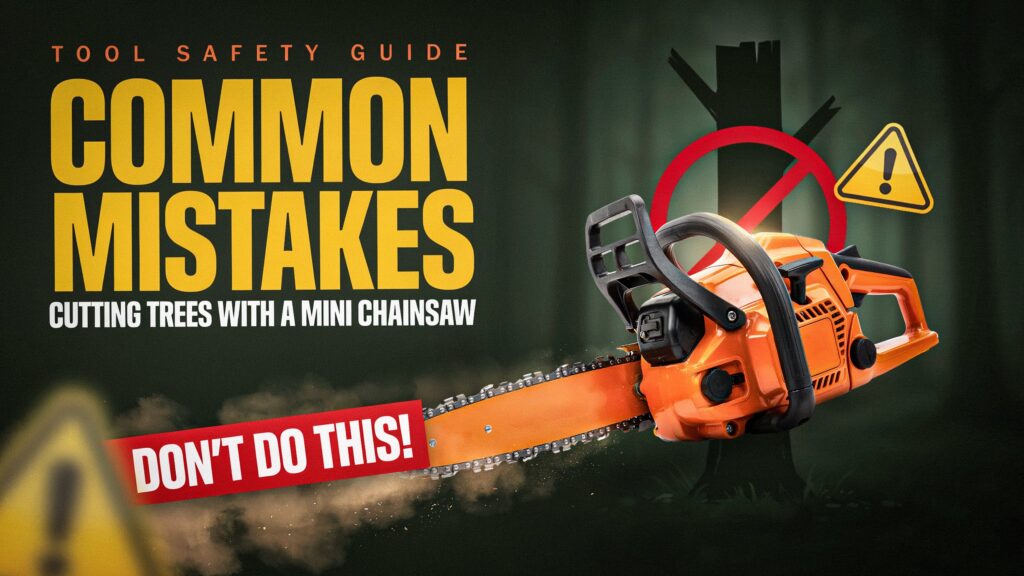
If you are asking can a mini chainsaw cut a tree?, using the tool correctly is just as important as choosing the right one. Many accidents and poor cutting results happen because users make avoidable mistakes. By understanding these common errors, you can improve safety, protect your equipment, and achieve cleaner cuts.
Cutting Trees That Are Too Large
One of the most common mistakes is attempting to cut trees that exceed the mini chainsaw cutting capacity. Most mini chainsaws are designed for trunks measuring 4 to 6 inches in diameter. Trying to cut larger trees can overload the motor, increase the risk of kickback, and damage the chain or guide bar. For large trees, a regular chainsaw is the safer and more effective choice.
Using a Dull Chain
A dull chain reduces cutting efficiency and forces you to apply more pressure during cutting. This places unnecessary strain on the motor and battery while increasing the risk of accidents. Keep the chain sharp and replace it when it becomes excessively worn to maintain smooth and efficient cutting performance.
Ignoring Chain Tension
A chain that is too loose may slip off the guide bar, while one that is too tight can wear out the bar, chain, and motor more quickly. Before every use, inspect the chain tension and adjust it according to the manufacturer’s instructions.
Operating with a Low Battery
Most mini chainsaws for cutting trees are battery-powered. Using a nearly discharged battery can reduce cutting speed and make the chainsaw less effective. Always start your work with a fully charged battery, and consider carrying a spare battery for longer cutting sessions.
Forcing the Chainsaw Through the Wood
A mini chainsaw is designed to cut with the movement of its chain. Forcing the tool into the wood can slow the motor, overheat the battery, and increase wear on internal components. Hold the chainsaw firmly and allow the sharp chain to cut at a steady pace.
Skipping Safety Equipment
Some users underestimate the risks because mini chainsaws are smaller than standard models. Regardless of size, you should always wear safety glasses, gloves, sturdy footwear, and other appropriate protective equipment. Proper safety gear helps reduce the risk of injuries from flying debris and accidental contact with the chain.
Cutting Above Shoulder Height
Using a mini chainsaw above shoulder level reduces stability and control, increasing the chance of accidents. Whenever possible, keep the chainsaw below shoulder height and use stable footing while cutting branches or small trees.
Failing to Inspect the Work Area
Before making any cut, check for obstacles such as rocks, fences, power lines, vehicles, or people nearby. Also, identify the natural lean of the tree and plan a safe escape route in case the tree falls unexpectedly.
Neglecting Regular Maintenance
Poor maintenance is another common mistake that reduces performance. Clean the chainsaw after each use, lubricate the chain if required, inspect the guide bar, and check all fasteners. Regular maintenance keeps your wood cutting tool operating safely and extends its service life.
Using the Wrong Tool for the Job
Understanding the difference between a mini chainsaw vs regular chainsaw is essential. A mini chainsaw is ideal for tree trimming, branch removal, and cutting small trees. However, heavy-duty tasks such as felling mature trees or cutting thick hardwood require a full-size chainsaw with greater power and a longer guide bar.
Final Thoughts
So, can a mini chainsaw cut a tree? Yes, it can effectively cut small trees when used within its intended limits. Avoiding common mistakes such as cutting oversized trees, using a dull chain, ignoring maintenance, or skipping safety gear will improve cutting performance and reduce the risk of injury. By using the right technique and respecting the tool’s limitations, you can complete tree-cutting tasks safely, efficiently, and with confidence.
Conclusion
Can a mini chainsaw cut a tree? Yes, it can effectively cut small trees, branches, and shrubs when used within its recommended cutting capacity. Its lightweight design, ease of use, and portability make it an excellent choice for tree trimming, routine yard maintenance, and light wood-cutting tasks. However, it is not intended for large tree removal or heavy-duty cutting jobs.
Before starting any project, consider the size of the tree, the type of wood, and the capabilities of your chainsaw. Using a sharp chain, following proper safety practices, and performing regular maintenance will help you achieve cleaner cuts while extending the life of your tool.
Choosing the right chainsaw for the job is the key to safe and efficient cutting. By understanding both the strengths and limitations of a mini chainsaw, you can work more confidently, protect your equipment, and complete outdoor tasks with better results.
frequently asked questions
Q1. Can I use a mini chainsaw to cut wood?
Yes, a mini chainsaw is designed to cut wood efficiently. It is ideal for cutting small logs, branches, firewood, shrubs, and small tree trunks. For the best results, use it within its recommended cutting capacity and keep the chain sharp.
Q2. How thick of a branch can a mini chainsaw cut?
Most cordless mini chainsaw can easily cut branches 4 to 6 inches thick. Some high-powered models with longer guide bars can handle branches up to 8 inches, but thicker wood may require multiple cutting passes.
Q3. Do mini chainsaws really work?
Yes, portable chainsaw work very well for light to medium-duty tasks. They provide fast, clean cuts for tree trimming, pruning, branch removal, and cutting small trees. While they are not a replacement for a full-size chainsaw, they are highly effective for everyday yard maintenance.
Q4. Can a mini chainsaw cut plywood?
Yes, a portable chainsaw can cut plywood, but it is not the best tool for making smooth or precise cuts. Circular saws or jigsaws are better choices for plywood because they produce cleaner edges and greater accuracy.
Q5. What are the pros and cons of mini chainsaws?
Pros: Lightweight, portable, easy to use, ideal for tree trimming, branch cutting, and small trees, with low maintenance.
Cons: Limited cutting capacity, shorter battery runtime, and not suitable for large trees, thick hardwood, or heavy-duty cutting tasks.