
Introduction to Jigsaw Blades
Jigsaw blades are one of the most important accessories for achieving accurate and efficient cuts in woodworking, metalworking, and DIY projects. The right blade can improve cutting precision, create smoother finishes, and handle different materials with ease. From straight cuts to complex curve cutting techniques, choosing the correct blade type plays a major role in overall performance.
Understanding blade tooth design, teeth per inch (TPI), and material compatibility helps users select the best option for each task. Whether working with wood, metal, laminate, or plastic, proper blade selection ensures better results, improved durability, and safer operation.
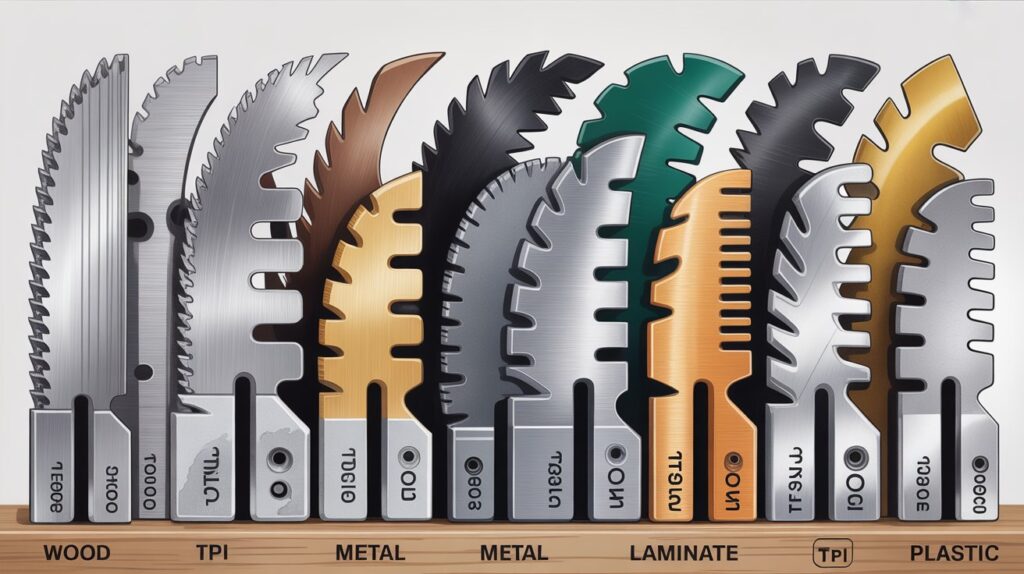
Table of Contents
Types of Jigsaw Blades
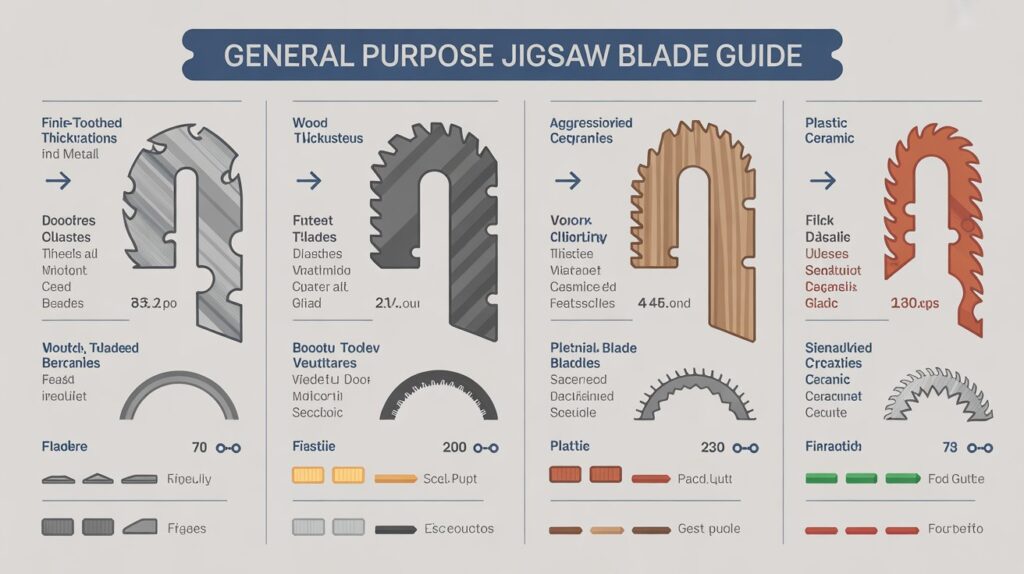
General Purpose Jigsaw Blade Guide
A jigsaw blade guide helps users understand proper blade selection based on material, thickness, and required finish. Choosing the right blade ensures better results, reduces damage, and improves efficiency when cutting different materials.
T Shank Jigsaw Blades
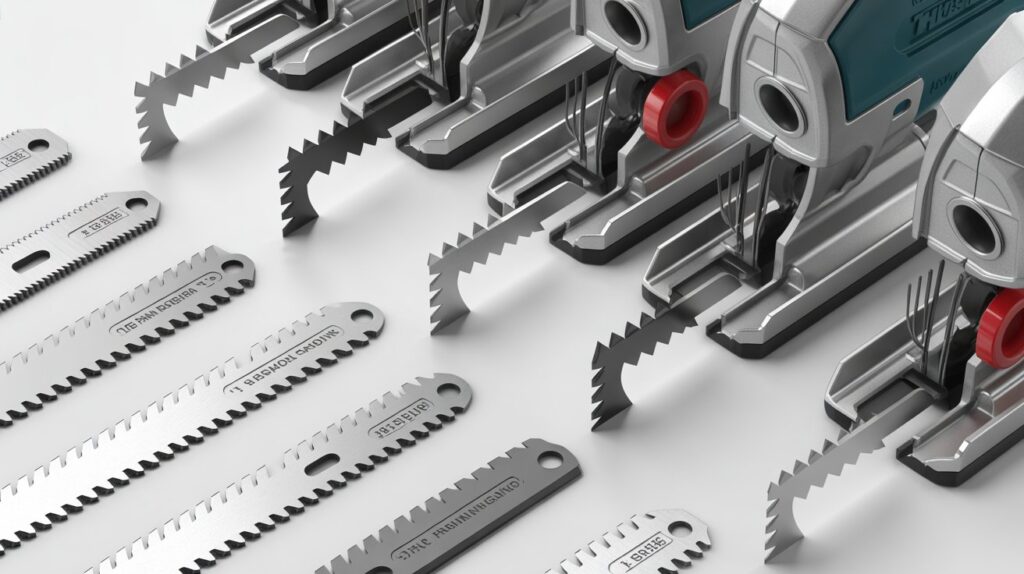
T shank jigsaw blades are widely used because they offer a secure fit and easy installation in most modern jigsaws. They are designed for better cutting precision and stability, which helps achieve clean vs fast cuts depending on the project needs. These blades are suitable for a variety of materials and are commonly included in most jigsaw blade types.
U Shank Jigsaw Blades
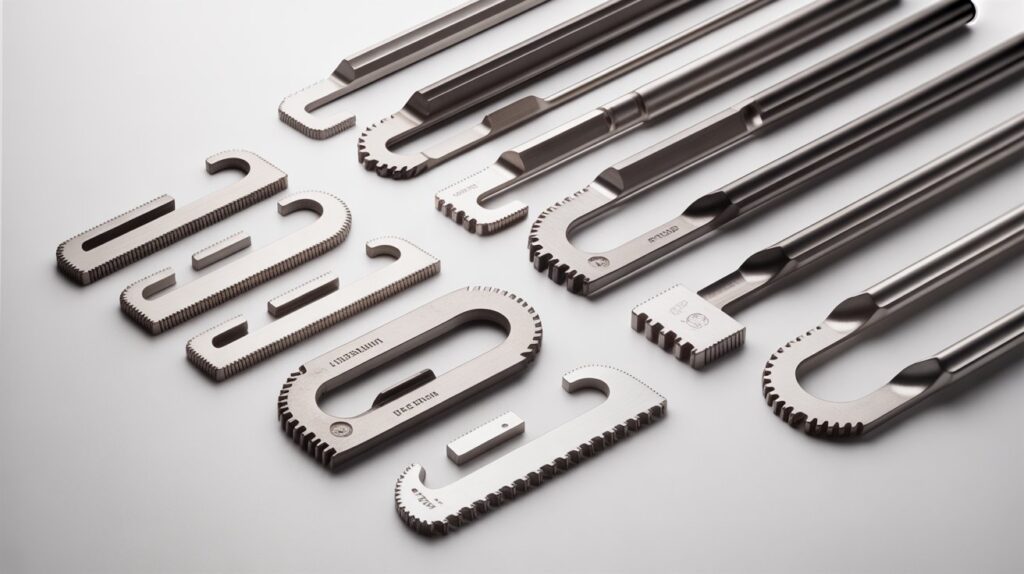
U shank jigsaw blades are typically found in older or basic jigsaw models. They require a tool for installation and may not provide the same level of grip as T shank options. However, they are still effective for general woodworking tools and blades applications and simple cutting tasks.
Fine Cut Jigsaw Blades
Fine cut jigsaw blades are designed with higher teeth per inch (TPI), which allows smoother and cleaner finishes. They are ideal when cutting precision is important, such as working with thin wood, laminate, or plastic. These blades reduce splintering and improve overall cut quality.
Coarse Cut Jigsaw Blades
These blades have fewer teeth per inch, making them suitable for fast and rough cuts. They are often used when speed is more important than finish, especially in thicker wood. While they cut quickly, they may produce a rough edge compared to fine cut options.
Jigsaw Blades for Wood
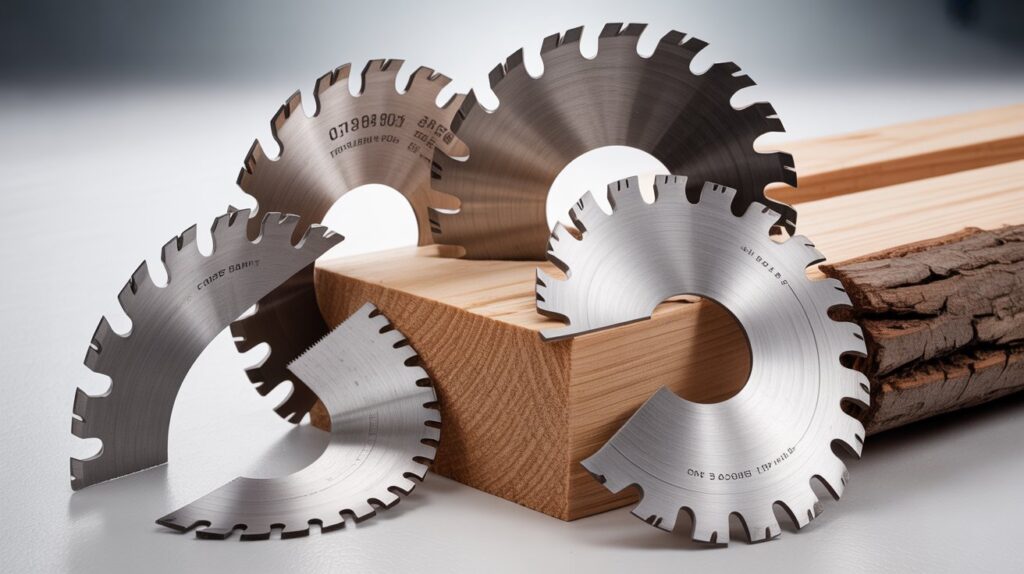
Jigsaw blades for wood are specifically designed to handle softwood and hardwood materials. They vary in tooth design depending on whether the goal is a fast cut or a smooth finish. These blades are essential in most woodworking tools and blades setups.
Jigsaw Blades for Metal
Jigsaw blades for metal have smaller and stronger teeth to handle harder surfaces. They typically feature higher TPI to ensure controlled and accurate cutting. These blades are used for cutting different materials like aluminum, steel, and other metals.
Jigsaw Blades for Laminate
Jigsaw blades for laminate are designed to minimize chipping on delicate surfaces. They often include reverse tooth patterns to maintain a clean top surface. This type supports better blade tooth design for smooth finishing work.
Specialty Jigsaw Blade Types
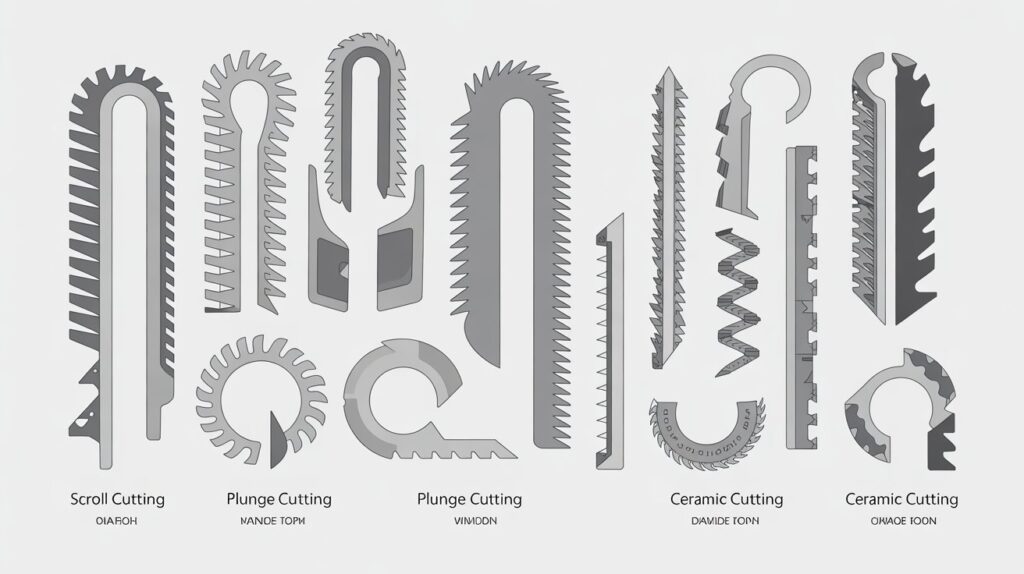
Some jigsaw blade types are made for specific tasks such as scroll cutting, plunge cutting, or cutting ceramics. These blades are optimized for curve cutting techniques and detailed work where standard blades may not perform well.
Bi-Material and Durable Blades
Certain blades are made from combined materials to improve blade durability and lifespan. These options are useful for frequent use and demanding tasks, offering both flexibility and strength during operation.
Materials Used in Jigsaw Blades
The performance and durability of different jigsaw blade types depend largely on the material they are made from. Each material is designed for specific tasks, affecting cutting precision, strength, and blade lifespan.
High Carbon Steel (HCS)
High carbon steel is commonly used in jigsaw blades for wood and softer materials like plastic. These blades are flexible, making them suitable for curve cutting techniques. However, they wear out faster, which impacts overall blade durability and lifespan.
High-Speed Steel (HSS)
High-speed steel is harder and more heat-resistant than HCS. It is mainly used in jigsaw blades for metal, allowing efficient cutting of tougher surfaces. These blades maintain their shape under high temperatures, improving performance when cutting different materials.
Bi-Metal (BIM)
Bi-metal blades combine the flexibility of carbon steel with the strength of high-speed steel. This combination enhances blade durability and lifespan, making them ideal for both wood and metal applications. They are a reliable choice for users who need versatility and consistent cutting precision.
Tungsten Carbide
Tungsten carbide blades are extremely strong and wear-resistant. They are often used for cutting abrasive materials such as tiles, ceramics, or fiberglass. These blades are designed for long-term use and maintain their effectiveness even in demanding conditions.
Impact on Performance
The choice of material directly influences blade tooth design, cutting speed, and finish quality. Softer materials provide flexibility for detailed work, while harder materials support clean vs fast cuts in tougher applications. Understanding these differences helps in proper blade selection for efficient and accurate results.
Common Mistakes to Avoid When Using Jigsaw Blades
Neglecting maintenance and storage
Poor storage conditions can damage blades and reduce blade durability and lifespan. Keeping blades clean and dry ensures long-term performance when cutting different materials.
Using the wrong jigsaw blade types for the material
One of the most common errors is selecting incorrect jigsaw blade types. For example, using blades meant for wood on metal can damage both the tool and the material. Proper blade selection ensures better cutting precision and cleaner results.
Ignoring teeth per inch (TPI) requirements
Many users overlook teeth per inch (TPI), which directly affects cut quality. Low TPI is suitable for clean vs fast cuts in thick wood, while higher TPI is better for smooth finishing and cutting different materials like metal or laminate.
Choosing incorrect blades for specific materials
Not using the right jigsaw blades for wood, metal, or laminate can lead to rough edges, splintering, or blade breakage. Each material requires a specific blade tooth design for optimal performance.
Applying excessive force during cutting
Forcing the tool can reduce blade durability and lifespan and result in uneven cuts. Letting the blade work at its own speed improves control and accuracy.
Ignoring proper woodworking tools and blades setup
Incorrect installation or poor alignment in woodworking tools and blades can cause vibration and reduce cutting precision. Ensuring a secure fit improves stability during operation.
Using worn-out blades
Continuing to use dull or damaged blades reduces efficiency and increases the risk of inaccurate cuts. Regular inspection helps maintain performance in curve cutting techniques and straight cuts.
Overlooking blade speed settings
Different materials require different speeds. Using incorrect settings affects blade tooth design efficiency and may lead to overheating or poor finish quality.
Not following a proper jigsaw blade guide
A jigsaw blade guide helps users match blade type with material and thickness. Ignoring it often results in poor cutting performance and wasted materials.
Improper handling of fine cut jigsaw blades
Fine cut jigsaw blades are designed for smooth finishes but are delicate. Rough handling or using them for heavy-duty tasks reduces their effectiveness.
Maintenance and Care for Jigsaw Blades
Proper maintenance of different jigsaw blade types is essential for achieving consistent cutting precision and extending tool life. Regular care also improves safety and performance when working with woodworking tools and blades.
1. Cleaning after use
After cutting different materials, remove dust, resin, or metal particles from the blades. Built-up debris can affect blade tooth design and reduce efficiency during clean vs fast cuts.
2. Correct storage practices
Store jigsaw blades in a dry and organized case to prevent rust and damage. Proper storage helps maintain blade durability and lifespan, especially for fine cut jigsaw blades that are more sensitive to wear.
3. Regular inspection for wear
Check blades frequently for dull teeth, bends, or cracks. Worn blades reduce cutting precision and may cause uneven results when using jigsaw blades for wood, metal, or laminate.
4. Using the right blade for the job
Following a proper jigsaw blade guide ensures each blade is used according to its purpose. Using the correct blade for cutting different materials reduces unnecessary stress and extends blade life.
5. Avoid overheating during use
Excessive heat can damage high-speed steel and bi-metal blades. Maintaining proper speed settings helps preserve blade tooth design and ensures smoother operation during curve cutting techniques.
6. Proper handling during installation and removal
Handle blades carefully to avoid bending or dulling the teeth. Safe handling improves performance, especially for precision-focused jigsaw blade types used in detailed work.
7. Lubrication when cutting metal
When using jigsaw blades for metal, applying a suitable lubricant reduces friction and heat buildup. This improves efficiency and supports longer blade durability and lifespan.
8. Matching blade type to material consistently
Using the correct blade for each task ensures optimal performance. Whether working with wood, metal, or laminate, proper matching reduces wear and improves overall cutting precision.
Understanding Blade Length and Thickness
Optimizing performance with correct blade pairing
Matching blade length and thickness with material type ensures optimal performance. Whether using jigsaw blade types for wood, metal, or laminate, correct sizing improves efficiency and overall cutting results.
Blade length and cutting depth in jigsaw blade types
Blade length plays a key role in determining cutting depth. Longer jigsaw blade types are used for thicker materials, while shorter blades provide better control for precise work. Choosing the right length improves cutting precision and reduces blade breakage during use.
Thickness and stability during cutting
Blade thickness affects how stable the cut remains. Thicker blades are more rigid and suitable for straight cuts in woodworking tools and blades setups, while thinner blades are better for curve cutting techniques and detailed shapes.
Matching blade size with jigsaw blade guide recommendations
A proper jigsaw blade guide helps users select the correct combination of length and thickness based on material type. This ensures efficient cutting different materials without damaging the blade or workpiece.
Impact on jigsaw blades for wood and metal
Jigsaw blades for wood often require medium length for balanced control and depth, while jigsaw blades for metal are usually thinner to allow smoother cutting and reduce heat buildup during operation.
Effect on fine cut jigsaw blades performance
Fine cut jigsaw blades benefit from shorter length and thinner design, allowing smoother finishes and reduced splintering. This is especially useful when working on laminate or delicate surfaces.
Relationship with blade tooth design and TPI
Blade length and thickness work together with teeth per inch (TPI) and blade tooth design to determine whether the cut is fast or smooth. Proper balance ensures clean vs fast cuts depending on the project requirements.
Choosing the right size for durability and lifespan
Selecting appropriate dimensions improves blade durability and lifespan. Using incorrect sizes can cause bending, overheating, or reduced efficiency when cutting different materials.
Application-based selection for better results
For general woodworking tools and blades use, medium-length blades are ideal. For detailed work or tight curves, shorter and thinner blades provide better control and accuracy.
Safety considerations in blade selection
Incorrect blade size can lead to instability and increased vibration. Proper selection ensures safer operation and more controlled cutting precision.
Common Applications of Jigsaw Blades
General-purpose cutting different materials
With the right selection of jigsaw blade types, users can handle multiple materials efficiently. Proper matching of blade tooth design and material ensures better performance and long-lasting results.
Straight cuts in woodworking tools and blades
Different jigsaw blade types are commonly used for straight cutting in woodworking tools and blades setups. Depending on teeth per inch (TPI), users can achieve either clean vs fast cuts for furniture, panels, and construction work.
Curved cutting techniques for detailed shapes
One of the most popular uses is curve cutting techniques. Thin and flexible blades allow smooth movement through wood and plastic, making them ideal for creative designs and precise shapes.
Cutting jigsaw blades for wood projects
Jigsaw blades for wood are widely used in carpentry and DIY projects. They handle softwood and hardwood efficiently while maintaining good cutting precision and surface finish.
Metal cutting applications with jigsaw blades for metal
Jigsaw blades for metal are designed for cutting aluminum, steel sheets, and other metals. High teeth per inch (TPI) helps control heat and ensures smoother cutting different materials.
Laminate and flooring installation work
Fine cut jigsaw blades are often used for laminate flooring and countertops. Their blade tooth design reduces chipping and provides clean edges for visible surfaces.
Plunge cutting in interior work
Plunge cutting techniques allow users to start cuts in the middle of a material without pre-drilling. This is useful for installing sinks, outlets, and ventilation openings.
Detailed craft and DIY applications
Small and precise jigsaw blade types are used in craftwork, model making, and artistic projects. These applications rely heavily on cutting precision and controlled movement.
Plastic and PVC material cutting
Jigsaw blades for wood and plastic can be used for PVC pipes, sheets, and panels. Selecting the right blade guide ensures smooth cutting without cracking or melting edges.
Construction and renovation tasks
In construction, jigsaw blades are used for shaping boards, trimming materials, and fitting components. Blade durability and lifespan become important in heavy-duty use.
Common Applications of Jigsaw Blades
General-purpose cutting different materials
With the right selection of jigsaw blade types, users can handle multiple materials efficiently. Proper matching of blade tooth design and material ensures better performance and long-lasting results.
Straight cuts in woodworking tools and blades
Different jigsaw blade types are commonly used for straight cutting in woodworking tools and blades setups. Depending on teeth per inch (TPI), users can achieve either clean vs fast cuts for furniture, panels, and construction work.
Curved cutting techniques for detailed shapes
One of the most popular uses is curve cutting techniques. Thin and flexible blades allow smooth movement through wood and plastic, making them ideal for creative designs and precise shapes.
Cutting jigsaw blades for wood projects
Jigsaw blades for wood are widely used in carpentry and DIY projects. They handle softwood and hardwood efficiently while maintaining good cutting precision and surface finish.
Metal cutting applications with jigsaw blades for metal
Jigsaw blades for metal are designed for cutting aluminum, steel sheets, and other metals. High teeth per inch (TPI) helps control heat and ensures smoother cutting different materials.
Laminate and flooring installation work
Fine cut jigsaw blades are often used for laminate flooring and countertops. Their blade tooth design reduces chipping and provides clean edges for visible surfaces.
Plunge cutting in interior work
Plunge cutting techniques allow users to start cuts in the middle of a material without pre-drilling. This is useful for installing sinks, outlets, and ventilation openings.
Detailed craft and DIY applications
Small and precise jigsaw blade types are used in craftwork, model making, and artistic projects. These applications rely heavily on cutting precision and controlled movement.
Plastic and PVC material cutting
Jigsaw blades for wood and plastic can be used for PVC pipes, sheets, and panels. Selecting the right blade guide ensures smooth cutting without cracking or melting edges.
Construction and renovation tasks
In construction, jigsaw blades are used for shaping boards, trimming materials, and fitting components. Blade durability and lifespan become important in heavy-duty use.
Conclusion
Choosing the right jigsaw blades is essential for achieving clean, accurate, and efficient cuts across different materials. Understanding jigsaw blade types, blade tooth design, teeth per inch (TPI), and proper blade selection helps improve performance in both professional and DIY projects.
From jigsaw blades for wood to jigsaw blades for metal and laminate applications, every blade is designed for a specific purpose. Proper maintenance, correct installation, and using the appropriate blade size also contribute to better cutting precision and longer blade durability and lifespan.
By learning how different blades work and where they are best applied, users can complete projects more effectively while improving safety and overall cutting quality.
Top five FAQs
Q1. What are the best jigsaw blades for clean wood cuts?
Fine cut blades with higher teeth per inch (TPI) are ideal for smooth and clean wood cutting. They reduce splintering and improve cutting precision on plywood, hardwood, and laminate surfaces.
Q2. How can you select the correct blade for various materials?
The correct blade depends on the material type, thickness, and desired finish. Wood requires aggressive teeth, while metal needs smaller and stronger teeth for controlled cutting.
Q3. What is the difference between T shank and U shank blades?
T shank blades are designed for quick installation and a secure grip in modern jigsaws, while U shank blades are mostly used in older models and often require tools for installation.
Q4. Why do jigsaw blades bend or break during cutting?
Blades usually bend or break because of excessive force, incorrect speed settings, or improper blade selection for the material being cut. Using the right blade improves stability and performance.
Q5. How often should jigsaw blades be replaced?
Blades should be replaced when they become dull, chipped, bent, or start producing rough cuts. Regular replacement helps maintain cutting precision and protects the material from damage.