
Introduction
What is a jigsaw used is a common question for anyone starting with power tools or DIY projects. A jigsaw is a versatile cutting tool designed to handle a wide range of materials and tasks with precision. It is especially useful for making curved and detailed cuts that are difficult to achieve with other tools, making it a popular choice in woodworking and home improvement projects.
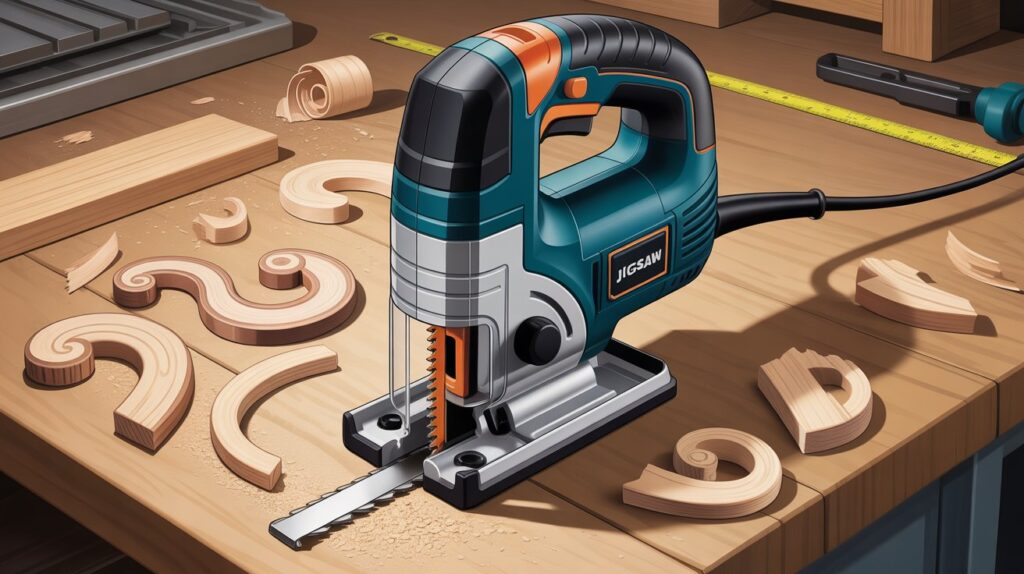
Table of Contents
What Is a Jigsaw Used For?
A jigsaw is a highly versatile cutting tool used in many practical applications. It is especially popular in woodworking and DIY projects because of its ability to make detailed and precise cuts. Below are the main uses of a jigsaw, explained clearly:
1. Cutting Curves and Shapes
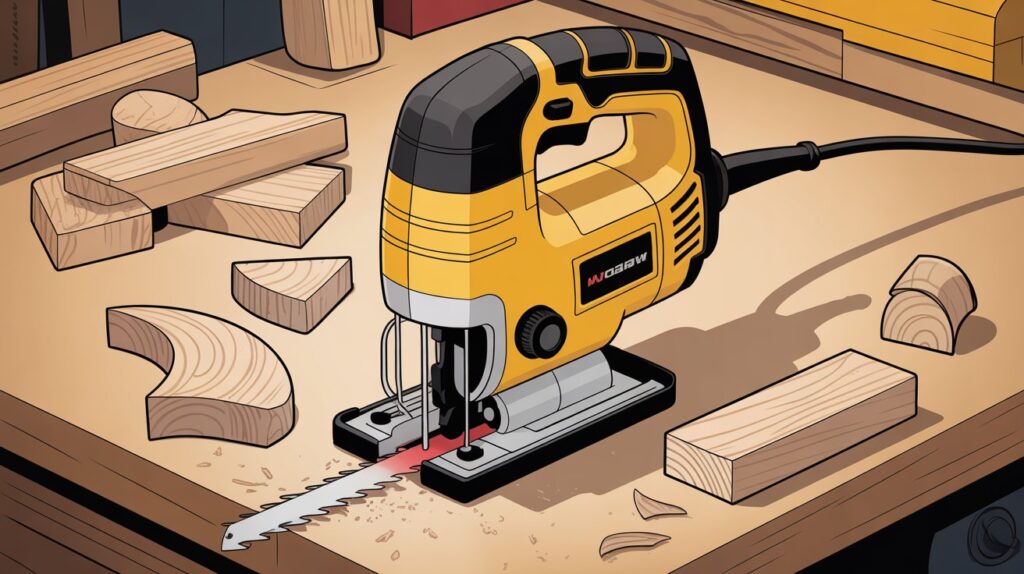
One of the most common uses of a jigsaw tool is cutting curves and complex shapes. It is ideal for designs that require flexibility, such as circular patterns or artistic cuts. This makes it perfect for cutting curves with a jigsaw in decorative projects.
2. Straight and Basic Cuts
Although it is known for curves, a jigsaw can also handle straight cuts. Many people rely on it for basic cutting tasks in jigsaw uses for DIY projects, especially when working on home improvements.
3. Cutting Different Materials
A jigsaw is not limited to wood. With the right blade, it can cut metal, plastic, and laminate. This shows its wide range of jigsaw cutting applications and usefulness as a cutting wood and metal tools solution.
4. Detailed Woodworking Tasks
In woodworking, this tool is essential for precision. It is commonly used in jigsaw uses in woodworking to create intricate designs, joints, and patterns that require careful control.
5. Home Improvement and DIY Work
A jigsaw is considered a reliable electric saw for home projects. It helps in tasks like cutting countertops, fitting sinks, or shaping materials during renovation work. It is also part of a complete DIY cutting tools guide for beginners.
6. Bevel and Angled Cuts
With adjustable settings, a jigsaw can make angled cuts. This feature adds to its jigsaw tool functions, making it useful for projects that need precise edge finishing.
7. Portable Cutting Tool for Quick Jobs
Because it is lightweight, it works well as a portable power saw. It is easy to carry and use in different locations, which is helpful for quick repairs and small projects.
8. Precision Cutting Work
A jigsaw is often used as one of the best precision cutting tools. It allows users to control the blade easily, making it suitable for fine and accurate cutting tasks.
9. Working with Different Blade Types
The effectiveness of a jigsaw depends on jigsaw blade types. Choosing the right blade allows clean cuts in various materials and improves overall performance.
10. Adjustable Cutting Performance
Modern jigsaws come with features like orbital action jigsaw settings, which improve cutting speed and efficiency depending on the material.
11. Cutting Openings in Surfaces
A jigsaw is useful for making cutouts in materials like countertops, plywood, or drywall. This is a common task in jigsaw uses for DIY projects, especially when installing sinks or electrical fittings.
12. Trimming and Fitting Materials
It helps in trimming wood or plastic pieces to the correct size. This makes it a reliable option for jigsaw tool for beginners who need simple and controlled cuts.
13. Craft and Decorative Work
A jigsaw is widely used in creative projects. It allows users to create patterns and designs, making it ideal for cutting curves with a jigsaw in artistic work.
14. Cutting Thin Metal Sheets
With the proper blade, it can cut light metal sheets. This expands its role in jigsaw cutting applications and shows its flexibility as part of cutting wood and metal tools.
15. Flooring Installation Tasks
During flooring projects, a jigsaw helps cut boards around corners or obstacles. It is often included in a DIY cutting tools guide for home renovation tasks.
16. Repair and Maintenance Work
A jigsaw is useful for small repair jobs where precise cutting is needed. It works well as an electric saw for home projects in everyday maintenance.
17. Cutting Laminates and Panels
It is commonly used for cutting laminate sheets and panels cleanly. This highlights its efficiency among precision cutting tools.
18. Making Internal Cuts
A jigsaw can start cutting from inside a material by drilling a small hole first. This is one of the practical jigsaw tool functions for custom cut designs.
19. Quick Project Prototyping
It is helpful for quickly shaping materials when testing designs. Being a portable power saw, it allows easy adjustments during project development.
20. Learning Basic Woodworking Skills
A jigsaw is often recommended in woodworking tools for beginners because it is simple to use and helps build confidence in cutting techniques.
Common Uses of a Jigsaw
A jigsaw is widely used in both professional and home projects because of its flexibility and precision. Its ability to handle different cutting tasks makes it one of the most practical tools in any workshop. Below are the most common uses explained clearly:
Cutting Curves and Irregular Shapes
A jigsaw is best known for cutting curves with a jigsaw. It allows smooth and accurate curved cuts, making it ideal for designs, patterns, and custom shapes in wood and other materials.
Performing General Cutting Tasks
Many people rely on it for everyday cutting jobs. The wide range of jigsaw cutting applications makes it suitable for both simple and complex tasks.
Woodworking Projects
In carpentry, it plays an important role in jigsaw uses in woodworking. It helps create joints, cutouts, and detailed designs with better control compared to many other tools.
DIY and Home Improvement Work
A jigsaw is commonly used in jigsaw uses for DIY projects such as cutting shelves, fitting kitchen tops, or adjusting materials during renovations.
Cutting Different Materials
With the right blade, it can cut wood, plastic, and even thin metal. This shows its value among cutting wood and metal tools used in various projects.
Precision and Detail Work
A jigsaw is one of the most effective precision cutting tools. It is used when accuracy is important, especially in fine detailing and finishing tasks.
Bevel and Angled Cuts
It can make angled cuts using adjustable settings. These jigsaw tool functions are helpful when working on projects that require precise edge alignment.
Portable Cutting for On-Site Work
Being lightweight, it works well as a portable power saw. It can be easily carried and used at different locations without difficulty.
Working with Different Blade Types
The performance depends on selecting the correct jigsaw blade types. Each blade is designed for specific materials and cutting styles.
Improving Cutting Efficiency
Modern tools include features like orbital action jigsaw settings, which increase cutting speed and make the process more efficient depending on the material.
These common uses highlight why a jigsaw is considered an essential tool for both beginners and experienced users.
Key Features of a Jigsaw
A jigsaw is designed with several important features that make it a flexible and efficient cutting tool. These features improve control, accuracy, and performance across different tasks.
Variable Speed Control
One of the most important jigsaw tool functions is adjustable speed. This allows users to control how fast the blade moves, making it suitable for both soft and hard materials in different jigsaw cutting applications.
Orbital Action Settings
Many models include orbital action jigsaw technology, which changes the blade movement slightly forward and backward. This improves cutting speed, especially in thicker materials used in jigsaw uses in woodworking.
Blade Compatibility and Types
The tool supports different jigsaw blade types, allowing users to switch blades depending on the material. This makes it effective for cutting wood and metal tools applications.
Precision Cutting Ability
A key feature is its ability to deliver clean and controlled cuts. This is why it is considered one of the most reliable precision cutting tools for both professionals and beginners.
Bevel Cutting Adjustment
The base plate can be adjusted for angled cuts. This feature is important for projects requiring detailed finishing and is widely used in jigsaw uses for DIY projects.
Lightweight and Portable Design
A jigsaw is designed as a portable power saw, making it easy to carry and use in different locations, especially for on-site work.
Easy Blade Replacement System
Most modern models allow quick blade changes without extra tools. This improves efficiency during continuous work and supports different jigsaw cutting applications.
Ergonomic Handle Design
The handle is designed for comfortable grip and better control. This helps users maintain stability during detailed work, especially in woodworking tools for beginners.
Dust Blower Function
Many jigsaws include a dust clearing system that keeps the cutting line visible. This improves accuracy during cutting curves with a jigsaw and other detailed tasks.
Durable Motor Performance
A strong motor ensures consistent power output, making it suitable for both light and heavy-duty tasks in electric saw for home projects.
These key features make a jigsaw a versatile and essential tool for a wide range of cutting needs.
Advantages of Using a Jigsaw
A jigsaw is a highly useful tool that offers several benefits for both beginners and professionals. Its design and functionality make it suitable for a wide range of cutting tasks in workshops and home projects.
High Versatility in Cutting Tasks
One of the biggest advantages is its ability to handle different jigsaw cutting applications. It can cut wood, plastic, and thin metal, making it a flexible choice for many projects.
Excellent for Curved Cutting
It performs very well in cutting curves with a jigsaw, allowing users to create smooth shapes and detailed patterns that are difficult with other tools.
Suitable for DIY Projects
A jigsaw is widely used in jigsaw uses for DIY projects, such as home repairs, furniture adjustments, and small construction tasks, making it a practical tool for everyday use.
Beginner-Friendly Tool
It is considered one of the easiest woodworking tools for beginners. Its simple design and control features make it safe and easy to learn.
Precise Cutting Control
The tool is known for its accuracy, making it one of the most effective precision cutting tools for detailed and clean cutting work.
Portable and Easy to Handle
As a portable power saw, it is lightweight and easy to move, allowing users to work comfortably in different locations.
Works with Multiple Blade Options
Using different jigsaw blade types improves its performance and allows cutting through various materials efficiently.
Useful in Home Improvement Projects
It is widely used as an electric saw for home projects, especially for renovation, repair, and installation work.
Improved Cutting Efficiency
Features like orbital action jigsaw help increase cutting speed, making tasks faster and more efficient.
Supports Both Straight and Complex Cuts
It can handle straight lines as well as detailed shapes, making it suitable for a wide range of jigsaw uses in woodworking projects.
These advantages make a jigsaw a reliable and essential tool for many cutting and shaping tasks.
Limitations of a Jigsaw
Although a jigsaw is a very useful cutting tool, it also has some limitations that users should understand before using it for different projects. Knowing these helps in choosing the right tool for the job.
Not Suitable for Heavy-Duty Cutting
A jigsaw is not designed for thick or heavy materials. In many jigsaw cutting applications, it struggles with dense hardwoods or thick metal, where more powerful tools are required.
Less Efficient for Long Straight Cuts
While it can make straight cuts, it is not the best option for long, perfectly straight lines. Other cutting wood and metal tools like circular saws perform better in such tasks.
Limited Cutting Speed on Hard Materials
Even with orbital action jigsaw features, cutting hard materials can be slow and time-consuming compared to more powerful machines.
Requires Skill for Precision Work
Although it is considered a precision cutting tool, maintaining perfect accuracy takes practice. Beginners may find it difficult to control in detailed jigsaw uses in woodworking tasks.
Blade Wear and Breakage
Different jigsaw blade types are needed for different materials, and blades can wear out or break quickly during tough cutting jobs.
Vibration During Use
A jigsaw can produce vibration, which may affect control during cutting curves with a jigsaw, especially in detailed designs.
Not Ideal for Thick Metal Cutting
It can cut thin metal sheets, but it is not suitable for heavy or thick metal materials, limiting its use in some industrial tasks.
Dust and Visibility Issues
During use as an electric saw for home projects, dust can reduce visibility of the cutting line if the tool does not have an effective dust blower system.
Limited Depth Capacity
A jigsaw cannot cut very deep materials, making it less useful compared to other portable power saw options for deep or structural cuts.
Less Stability Compared to Stationary Tools
Even though it is one of the popular woodworking tools for beginners, it does not offer the same stability as table saws or band saws for repeated precision work.
These limitations show that while a jigsaw is versatile, it is best used for specific types of cutting tasks rather than heavy industrial work.
Jigsaw vs Other Cutting Tools
A jigsaw is often compared with other cutting tools to understand its strengths and limitations. Each tool has a specific purpose, and choosing the right one depends on the type of work.
Jigsaw vs Circular Saw
A circular saw is better for long, straight cuts and heavy-duty work. In contrast, a jigsaw is more flexible for cutting curves with a jigsaw and detailed shapes. For jigsaw uses in woodworking, it is preferred when precision and design flexibility are needed, while circular saws are used for speed and power in straight cuts.
Jigsaw vs Reciprocating Saw
A reciprocating saw is mainly used for demolition and rough cutting. It is not suitable for fine work. On the other hand, a jigsaw is one of the best precision cutting tools, making it ideal for controlled and clean cuts in jigsaw uses for DIY projects.
Jigsaw vs Band Saw
A band saw is a stationary machine that offers high accuracy and is used in workshops. A jigsaw, being a portable power saw, provides mobility and convenience. While band saws are better for repetitive cuts, jigsaws are better for flexible jigsaw cutting applications.
Jigsaw vs Hand Saw
A hand saw requires more physical effort and is slower. A jigsaw, as an electric saw for home projects, provides faster cutting and reduces manual work, especially in detailed shaping tasks.
Jigsaw vs Table Saw
A table saw is powerful and precise for straight cuts but lacks flexibility. A jigsaw is better for curved and irregular shapes, especially when using different jigsaw blade types for varied materials in cutting wood and metal tools tasks.
Jigsaw vs Angle Grinder
An angle grinder is mainly used for cutting metal and grinding surfaces. A jigsaw is more versatile for wood, plastic, and light metal, making it suitable for multiple jigsaw cutting applications.
Jigsaw vs Sabre Saw
A sabre saw is stronger and used for rough cutting, while a jigsaw offers better control for detailed work. This makes the jigsaw more suitable for woodworking tools for beginners.
Key Difference in Functionality
The biggest difference is control and precision. A jigsaw is designed for accuracy and design flexibility, supported by features like orbital action jigsaw, while many other tools focus on power and speed.
This comparison shows that a jigsaw is best for detailed, versatile, and creative cutting tasks, while other tools are better suited for heavy-duty or specialized work.
Safety Tips When Using a Jigsaw
A jigsaw is a powerful tool, and using it safely is important to avoid accidents and ensure clean results. Following proper safety practices also improves control and performance during work.
Wear Proper Safety Gear
Always use safety glasses and gloves when working with a jigsaw. This is especially important during jigsaw cutting applications, as small particles and dust can fly during cutting.
Choose the Right Blade for the Material
Using correct jigsaw blade types reduces the risk of blade breakage and improves cutting efficiency in cutting wood and metal tools tasks.
Secure the Material Properly
Before starting, firmly clamp the material. This is essential for safe jigsaw uses in woodworking and helps maintain stability during cutting.
Maintain a Steady Grip
Hold the tool firmly to control vibration. This is important when performing cutting curves with a jigsaw, where accuracy and balance are needed.
Avoid Forcing the Tool
Let the blade move at its own speed. Forcing it can damage the tool and reduce performance in precision cutting tools work.
Keep the Cutting Area Clear
Make sure the workspace is clean and free from obstacles, especially when using an electric saw for home projects.
Use Orbital Settings Carefully
Adjust orbital action jigsaw settings according to the material. Incorrect settings can cause rough cuts or loss of control.
Check the Power Cord and Tool Condition
Inspect the tool before use. A damaged cord or loose parts can be dangerous during jigsaw uses for DIY projects.
Maintain Proper Cutting Line Visibility
Use dust blowers or pause when needed to keep the cutting line visible for accurate work in portable power saw operations.
Work in a Well-Lit Area
Good lighting improves accuracy and safety, especially when performing detailed tasks using woodworking tools for beginners.
Following these safety tips ensures better control, accuracy, and protection while using a jigsaw for different cutting tasks.
Conclusion
A jigsaw is a versatile and practical tool that plays an important role in many cutting tasks. From detailed curves to simple straight cuts, it offers flexibility that makes it useful for woodworking, home improvement, and creative projects. Its ability to work with different materials and blade types makes it suitable for both beginners and experienced users.
Understanding its features, advantages, and limitations helps in using it more effectively. While it may not replace heavy-duty tools, it remains one of the most reliable options for precision and design-based cutting work. With proper handling and safety measures, a jigsaw can be a valuable addition to any toolkit.
Top 5 Frequently Asked Questions
Q.1 What is a jigsaw used for in DIY projects?
A jigsaw is mainly used for cutting curves, shapes, and straight lines in materials like wood, plastic, and thin metal. It is especially useful for home improvement and creative DIY work.
Q.2 Can a jigsaw cut different types of materials?
Yes, a jigsaw can cut wood, metal, plastic, and laminate. The result depends on choosing the correct blade designed for each material.
Q.3 Is a jigsaw good for beginners?
A jigsaw is considered one of the best tools for beginners because it is easy to handle, lightweight, and allows better control during cutting tasks.
Q.4 What makes a jigsaw different from other saws?
A jigsaw is designed for flexibility and precision. Unlike other saws, it is ideal for curved and detailed cuts rather than only straight cutting.
Q.5 How do you get clean cuts with a jigsaw?
To get clean cuts, use the right blade, set the correct speed, and keep a steady hand while guiding the tool along the cutting line.