
Introduction
How to install a jigsaw blade is one of the most important skills for anyone using this versatile power tool. A correctly installed blade ensures smooth cutting, better accuracy, and safer operation during any project. In this guide, you will learn simple and clear steps to install a jigsaw blade properly, along with essential tips to avoid common mistakes and improve performance.
Jigsaw and Its Importance in Cutting Tasks
A jigsaw is a versatile power tool used for making precise curved and straight cuts in different materials such as wood, metal, and plastic. It is widely used in woodworking, construction, and DIY projects because it offers control, accuracy, and flexibility compared to many other cutting tools.
Understanding how to install jigsaw blade correctly is an important first step in using this tool safely and effectively. A properly installed blade ensures smooth cutting performance and reduces the risk of damage or injury during work.
Knowing how to install a blade on a jigsaw also helps beginners and professionals achieve cleaner cuts and better results in their projects. Whether you are shaping furniture pieces or working on home repairs, the jigsaw plays a key role in delivering precise cutting tasks with ease.
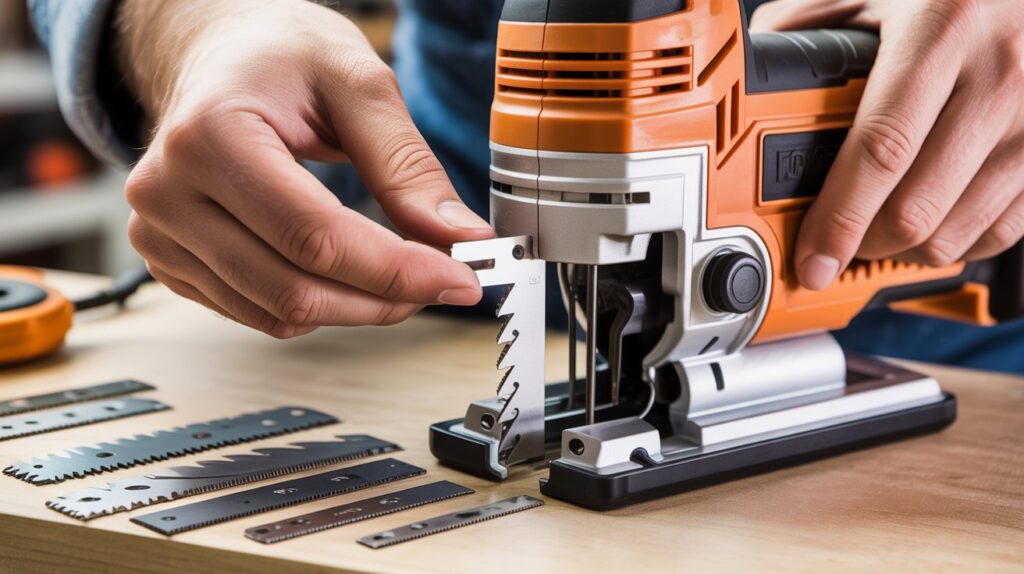
Table of Contents
Safety Precautions Before Installing a Jigsaw Blade
Before starting any blade replacement work, safety should always be the top priority. A jigsaw is a powerful tool, and improper handling can lead to injury or damage to the tool itself. Following basic precautions ensures a safe and smooth working process.
First, always disconnect the power source or remove the battery before working on the tool. This prevents accidental start-ups while handling the blade. Wear protective gloves to avoid cuts from sharp edges, especially when dealing with used blades.
It is also important to place the jigsaw on a stable surface before beginning the installation process. A firm grip reduces the chance of slipping and helps you work more confidently when performing jigsaw blade installation steps.
Inspect the tool and blade holder mechanism carefully before starting. Any dust, debris, or damage can affect the blade holder mechanism and lead to improper fitting. Clean the area if needed to ensure smooth operation.
Understanding basic jigsaw cutting tool safety practices is essential before handling any blade replacement task. This includes keeping your work area well-lit and free from distractions.
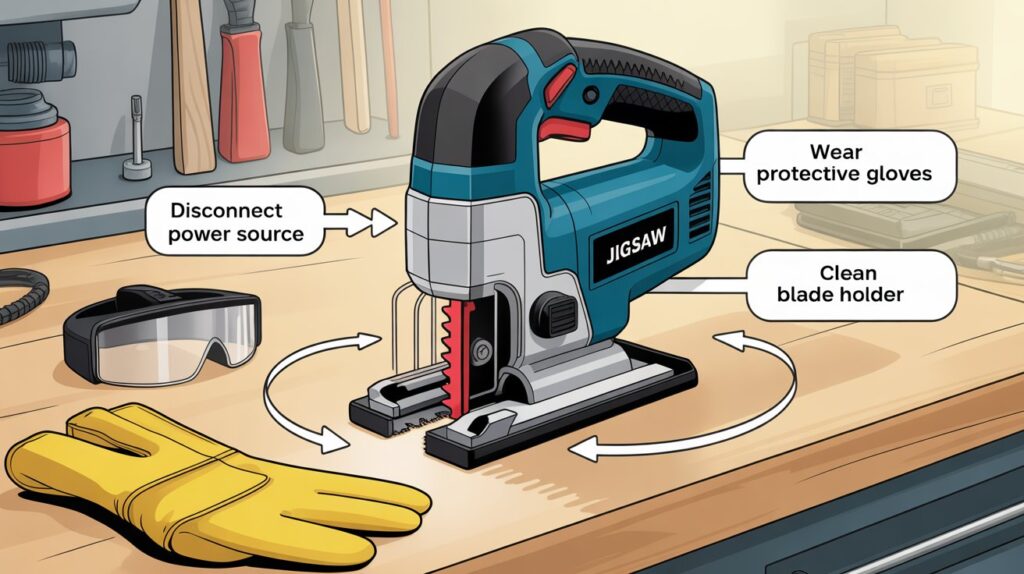
By following these precautions, you create a safe environment for installing blade in jigsaw tool efficiently and reduce the risk of common mistakes during the process.
Identifying the Blade Holder Mechanism in a Jigsaw
Before performing any blade replacement, it is important to understand how the blade is secured inside the tool. The blade holder mechanism is the part of the jigsaw that locks the blade firmly in place and allows smooth cutting performance.
Most modern tools use either a quick-release system or a clamp-style holder. In a tool-free blade change system, you can release and insert the blade without any additional tools, making the process faster and more convenient. Older models may require an Allen key or screwdriver to loosen the holder.
Carefully inspecting this mechanism helps you understand the correct jigsaw blade mounting technique and ensures the blade is fitted securely. A loose or improperly locked blade can affect cutting accuracy and safety during operation.
Different blade types, such as T-shank and U-shank, also depend on the compatibility of the holder. Knowing this helps you choose the correct jigsaw blade replacement process for your specific tool.
By identifying how the blade holder works, you can confidently handle installing blade in jigsaw tool and ensure better control, precision, and safety in all woodworking or DIY tasks.
Step-by-Step Process of Removing an Old Jigsaw Blade
Before starting a new jigsaw blade replacement process, it is essential to safely remove the old blade. Doing this correctly ensures better performance and prevents damage to the tool.
First, disconnect the power source or remove the battery to make sure the tool cannot start accidentally. This is a basic but important step in jigsaw cutting tool safety.
Next, locate the blade holder mechanism. Most modern tools use a tool-free blade change system, where you simply turn or press the release lever. For older models, you may need an Allen key or screwdriver to loosen the clamp.
Once the mechanism is released, gently pull the blade downward or forward, depending on the model. Avoid using excessive force, as this can damage the holder or affect future jigsaw blade installation steps.
After removing the blade, inspect the holder area for dust or debris. Cleaning it ensures smooth fitting when you proceed with the next jigsaw blade mounting technique.
Following these steps carefully makes the process of installing blade in jigsaw tool easier and helps maintain tool performance and safety.
Step-by-Step Guide: How to Install a New Jigsaw Blade Properly
- Ensure Safety First
Before starting, disconnect the power source or remove the battery. This is an important part of jigsaw cutting tool safety and prevents accidental activation during the process. - Check the Blade Type
Identify whether you are using a T-shank or U-shank blade. Choosing the correct blade is essential for a proper jigsaw blade replacement process and ensures compatibility with your tool. - Open the Blade Holder Mechanism
Locate the blade holder mechanism and activate the release system. Many modern tools feature a tool-free blade change system, which makes this step quick and easy without extra tools. - Insert the New Blade
Carefully insert the blade into the holder, ensuring it is aligned correctly. This step is crucial for an accurate jigsaw blade mounting technique and stable cutting performance. - Secure the Blade Properly
Lock the blade in place by releasing the clamp or tightening the holder. Make sure it is firmly secured to avoid movement during operation, especially when following jigsaw blade installation steps. - Double-Check the Fit
Gently pull the blade to confirm it is locked correctly. A loose blade can affect cutting precision and safety while working on woodworking or DIY tasks. - Test Before Use
Run a short test on a scrap material to ensure smooth operation. This helps verify proper installing blade in jigsaw tool and confirms that everything is set correctly.
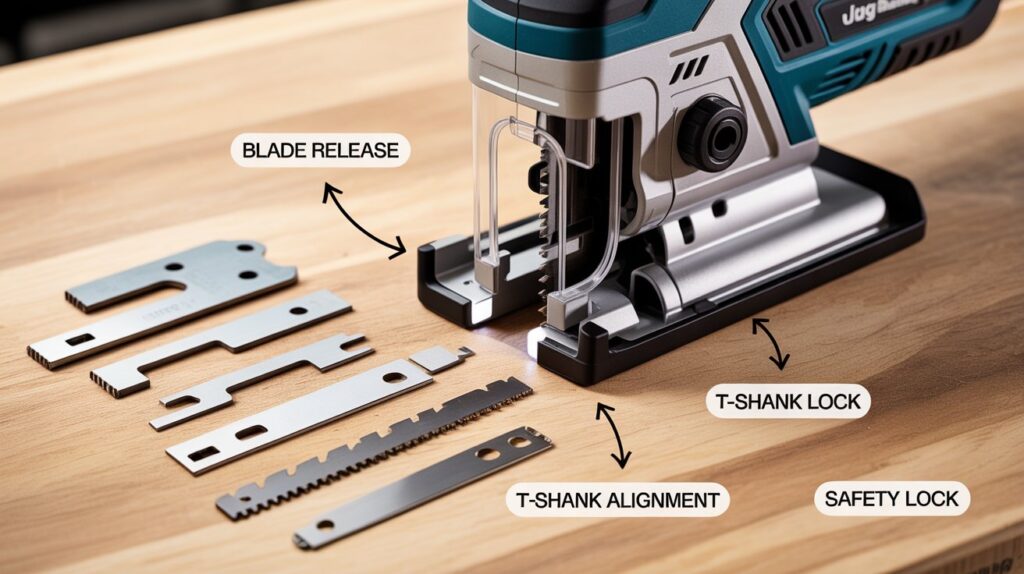
Following these steps ensures a safe and effective way of handling how to install jigsaw blade procedures for any project.
Common Mistakes to Avoid When Installing a Jigsaw Blade
One of the most frequent mistakes is not disconnecting the power before starting the jigsaw blade replacement process. Forgetting this step can lead to accidental startup, making the task unsafe and risky.
A frequent mistake many users make is selecting an incompatible blade type for the jigsaw. Choosing an incompatible blade for your tool can affect performance and lead to poor cutting results, even if the jigsaw blade installation steps are followed correctly.
Many users also fail to properly clean the blade holder mechanism before inserting a new blade. Dust or debris inside the holder can prevent a secure fit and reduce accuracy during operation. This is especially important when working with a tool-free blade change system, where precision is key.
Improper alignment of the blade is another issue. If the blade is not correctly positioned during the jigsaw blade mounting technique, it may become loose or unstable while cutting, affecting both safety and performance.
Some users also forget to double-check the blade lock after installation. A loose blade can cause vibration, uneven cuts, and damage to the material when installing blade in jigsaw tool for woodworking or DIY projects.
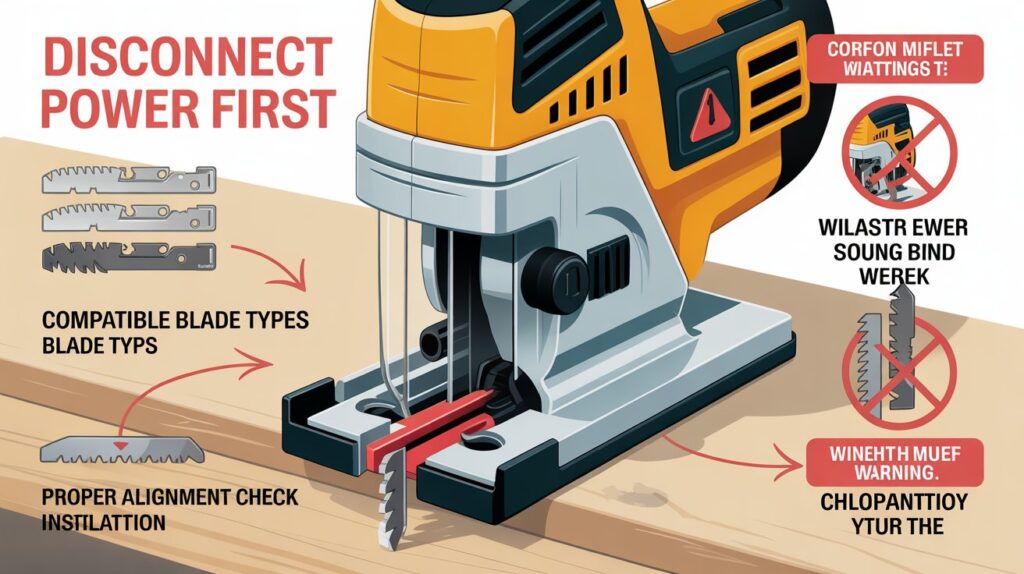
Avoiding these mistakes ensures smoother operation, better accuracy, and safer handling of your tool in all cutting tasks.
Testing the Blade After Installation for Proper Fit and Performance
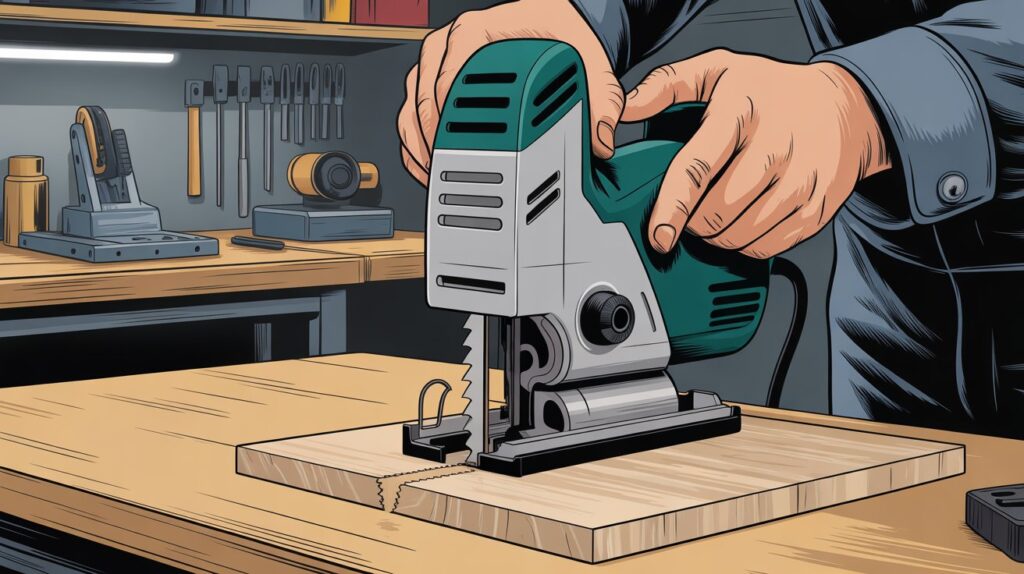
After completing the jigsaw blade replacement process, it is important to test the blade before starting actual work. This ensures that the installation is secure and the tool is ready for safe operation.
Begin by visually checking the blade to confirm it is properly aligned in the blade holder mechanism. Any visible tilt or looseness may indicate an issue with the jigsaw blade mounting technique.
Next, perform a short dry run by switching on the tool without applying it to any material. Observe the blade movement carefully. Smooth and stable motion shows that the jigsaw blade installation steps were done correctly.
If your tool features a tool-free blade change system, double-check the locking mechanism once more to ensure the blade is firmly secured. A loose blade can affect cutting accuracy and safety during use.
For final confirmation, make a test cut on a scrap piece of wood or similar material. This helps verify proper installing blade in jigsaw tool and ensures the blade is performing as expected without vibration or misalignment.
Testing after installation is a crucial step that improves cutting precision, enhances safety, and ensures reliable performance in all woodworking and DIY projects.
Maintenance Tips to Keep Your Jigsaw Blades and Tool in Good Condition
Proper maintenance is essential to extend the life of your tool and ensure smooth cutting performance. After completing the jigsaw blade replacement process, regular care helps maintain accuracy and safety during use.
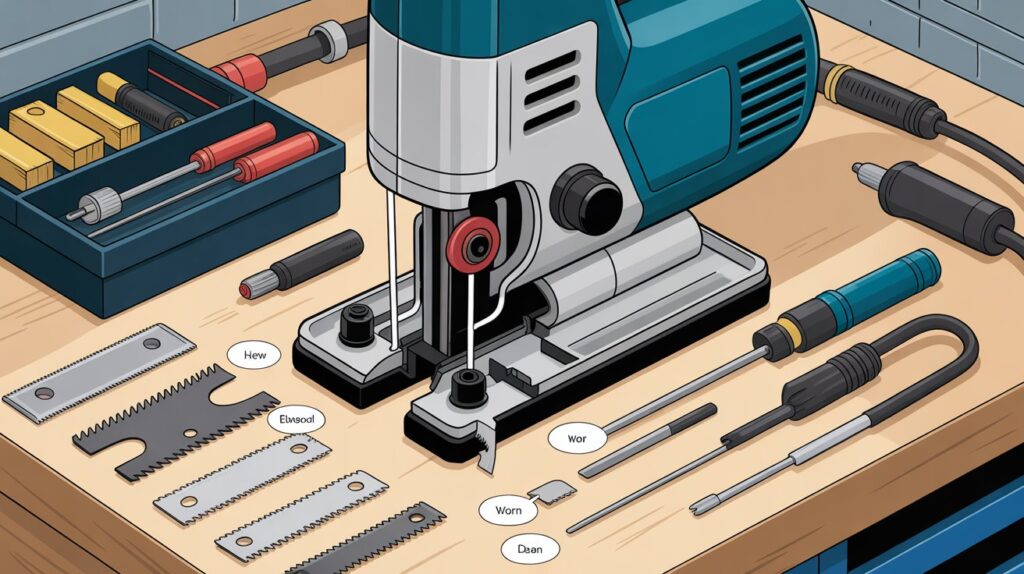
Always clean the blade holder mechanism after every use. Dust, wood chips, or metal debris can affect future jigsaw blade installation steps and may prevent the blade from fitting securely. A clean holder ensures better stability during operation.
Inspect blades regularly for wear or damage. A dull or bent blade can reduce cutting efficiency and negatively impact the jigsaw blade mounting technique, leading to rough or uneven cuts.
If your tool uses a tool-free blade change system, make sure the locking mechanism remains smooth and functional. Applying light maintenance and checking it frequently supports safe and easy blade changes.
Store both the jigsaw and blades in a dry place to prevent rust and corrosion. Proper storage improves performance when you proceed with installing blade in jigsaw tool for future projects.
Avoid using excessive force while cutting, as this can wear out both the blade and the motor. Using the correct blade for each material also improves durability and reduces the need for frequent jigsaw blade replacement process.
By following these maintenance tips, you ensure longer tool life, better cutting precision, and safer operation in all woodworking and DIY tasks.
Conclusion
Installing a jigsaw blade correctly is essential for achieving clean cuts, maintaining safety, and improving tool performance. By following the proper steps, avoiding common mistakes, and maintaining your tool regularly, you can ensure long-lasting and reliable results in every project. Whether you are a beginner or experienced user, mastering this simple process will make your cutting tasks easier, safer, and more efficient.
Top Five 05 FAQs
Q1. What is the correct way to install a jigsaw blade?
The correct way is to disconnect the power, open the blade holder mechanism, insert the blade properly, and lock it securely using the tool-free blade change system or clamp.
Q2. How do I know if my jigsaw blade is installed correctly?
A properly installed blade will stay firmly in place without wobbling. You can also do a short test run to ensure smooth movement and stable cutting.
Q3. Can I install any type of blade in a jigsaw?
No, you must use a compatible blade such as T-shank or U-shank depending on your tool’s blade holder mechanism. Using the wrong type can affect performance and safety.
Q4. Why does my jigsaw blade keep loosening?
This usually happens due to improper locking, a worn-out blade holder mechanism, or incorrect installation during the jigsaw blade mounting technique.
Q5. How often should I replace a jigsaw blade?
You should replace the blade whenever it becomes dull, bent, or starts producing rough cuts to maintain accuracy and smooth performance in your projects.