
Introduction
Parts of a jigsaw are important to understand for anyone who wants to use this cutting tool safely and efficiently. A jigsaw is commonly used for straight, curved, and detailed cuts in wood, plastic, and metal. Each component of the machine plays a specific role in improving cutting accuracy, stability, and performance.
From the blade and motor to the base plate and speed controls, the parts of a jigsaw tool work together to deliver smooth and controlled cutting results. Learning about these components can help users choose the right settings, maintain the tool properly, and improve overall cutting efficiency.
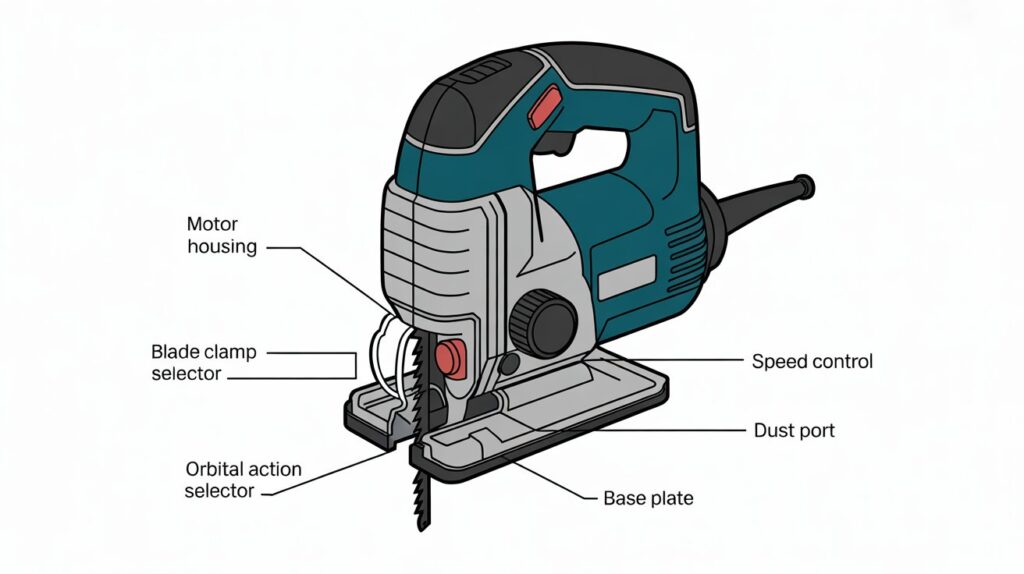
Table of Contents
Main Body Structure of a Jigsaw Tool
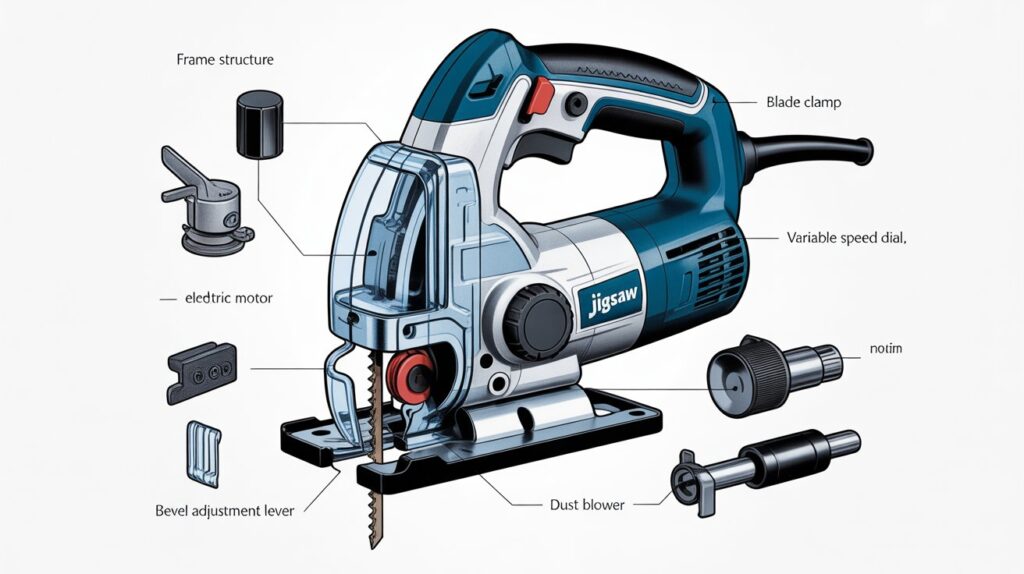
Frame Structure
The frame structure supports all cutting tools for woodwork and keeps the machine balanced.
Handle
The handle provides a firm grip for better control during cutting tasks.
Trigger Switch
This switch starts and stops the electric cutting machine safely.
Lock-On Button
The lock-on feature allows continuous operation without holding the trigger.
Motor Housing
The motor housing protects internal jigsaw motor components from damage.
Electric Motor
The motor powers the blade movement for precision cutting equipment.
Carbon Brushes
Carbon brushes transfer electricity to the motor for smooth performance.
Power Cord
The power cord supplies electricity in corded woodworking power tools.
Battery Pack
A battery pack powers cordless models for portable cutting work.
Battery Connector
This connector links the battery to the internal power system.
Blade Clamp
The blade clamp secures the blade during high-speed cutting operations.
Tool-Free Blade Change System
This feature allows quick blade replacement without extra tools.
Jigsaw Blade
The blade cuts wood, plastic, and metal with accuracy.
Blade Guide Roller
The guide roller supports the blade and improves cutting stability.
Orbital Cutting Mechanism
This mechanism increases cutting speed for rough and fast cuts.
Variable Speed Dial
The speed dial controls blade movement for different materials.
Gear System
The gear system transfers motor power to the moving blade.
Cooling Vent
Cooling vents prevent overheating during long cutting sessions.
Dust Blower
The dust blower clears debris for better cutting visibility.
Dust Extraction Port
This port connects to a vacuum for cleaner workspaces.
Base Plate
The jigsaw base plate keeps the tool stable during operation.
Bevel Adjustment Lever
This lever changes the cutting angle for bevel cutting adjustment.
Shoe Cover
The shoe cover protects delicate surfaces from scratches.
Front Guard
The front guard improves user safety near the blade area.
Internal Wiring
Internal wiring distributes power throughout the machine safely.
Speed Control Circuit
This circuit manages variable speed jigsaw performance.
Anti-Splinter Insert
This insert reduces material splintering during clean cuts.
LED Work Light
The work light improves visibility in low-light conditions.
Stroke Mechanism
The stroke mechanism creates the up-and-down blade motion.
Rubber Grip
The rubber grip increases comfort and reduces hand fatigue.
Shoe Plate or Base Plate
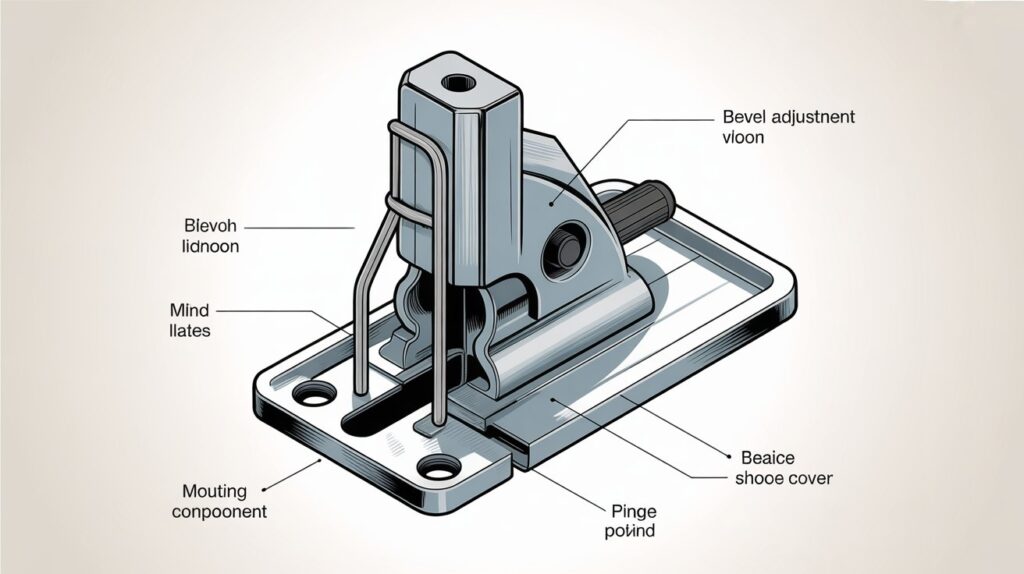
The jigsaw base plate is one of the most important components of a cutting tool because it provides balance, stability, and accuracy during operation. In most woodworking power tools, the base plate keeps the machine steady while guiding the blade smoothly across the material surface.
The base plate in the parts of a jigsaw tool is usually made from steel, aluminum, or reinforced metal for long-lasting durability. A strong base helps reduce vibration and improves precision cutting equipment performance when working on wood, plastic, or metal surfaces.
Many modern models include a bevel cutting adjustment feature that allows the base plate to tilt at different angles. This function is useful for angled and curved cuts in professional cutting tools for woodwork. Adjustable settings also improve flexibility for detailed projects.
Some electric cutting machines include a protective shoe cover attached to the base plate. This cover helps prevent scratches on delicate materials while maintaining smooth movement during cutting tasks.
Proper maintenance of the base plate is important for accurate cuts. Keeping the surface clean and checking for damage can improve the efficiency of variable speed jigsaw systems and extend the life of the tool.
Motor and Power System
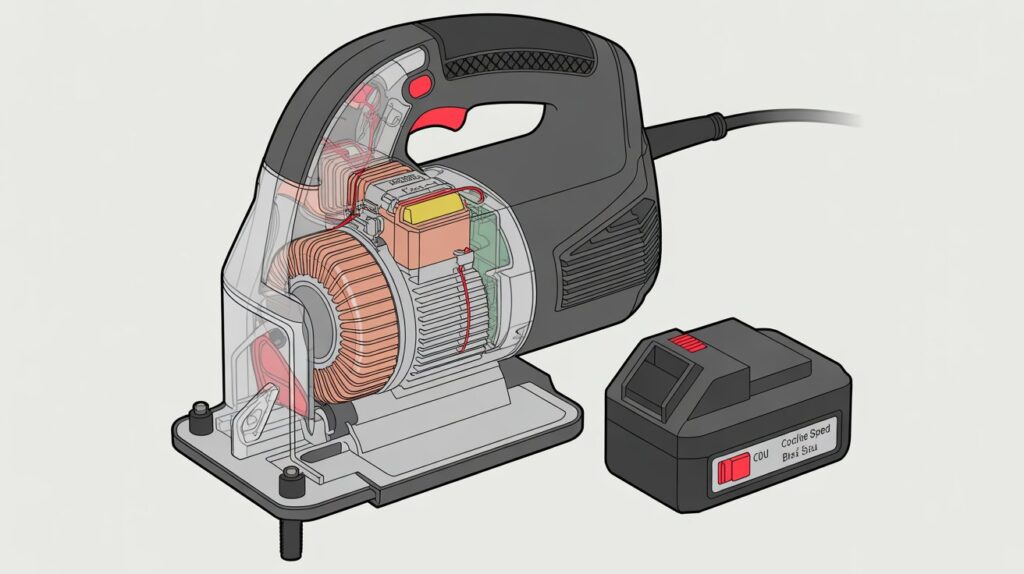
The motor and power system are essential components of modern woodworking power tools because they control the cutting speed and overall performance of the machine. The electric motor generates the power needed to move the blade rapidly for smooth and accurate cutting.
In most jigsaw tool parts, the motor is located inside a durable housing that protects internal mechanisms from dust and damage. Strong jigsaw motor components help the machine handle different materials, including wood, metal, and plastic, with consistent cutting performance.
Corded models use a direct power supply through an electrical cable, making them suitable for long working hours and heavy-duty cutting tasks. Cordless versions operate with rechargeable batteries, offering better mobility and convenience for portable cutting projects.
Many variable speed jigsaw systems include adjustable speed controls that allow users to change blade motion depending on the material type. Lower speeds are ideal for metal cutting, while higher settings improve efficiency in cutting tools for woodwork.
The internal power system also includes cooling vents, wiring, and electronic controls that help prevent overheating during continuous use. A well-designed power system improves the reliability, durability, and precision of electric cutting machines in professional and home workshops.
Trigger Switch and Speed Controls
The trigger switch and speed controls are important features in modern electric cutting machines because they help users manage cutting performance with greater accuracy and safety. These controls allow smooth operation when working with different materials and cutting styles.
The trigger switch is used to start and stop the machine quickly during operation. In many woodworking power tools, the trigger is designed with a comfortable grip to reduce hand fatigue during long cutting sessions. Some models also include a lock-on button that keeps the machine running continuously without constant pressure on the trigger.
Variable speed jigsaw systems use adjustable controls to change the blade speed according to the material type. Lower speed settings are suitable for metal and delicate surfaces, while higher speeds improve efficiency in cutting tools for woodwork and thicker materials.
Advanced precision cutting equipment often includes electronic speed control systems that maintain consistent blade movement under heavy load. This feature improves cutting accuracy and helps reduce vibration during detailed work.
Many jigsaw tool parts related to speed control are protected inside the motor housing to prevent dust and moisture damage. Proper use of trigger and speed settings can improve blade life, cutting quality, and the overall performance of handheld power saw components.
Orbital Action Mechanism
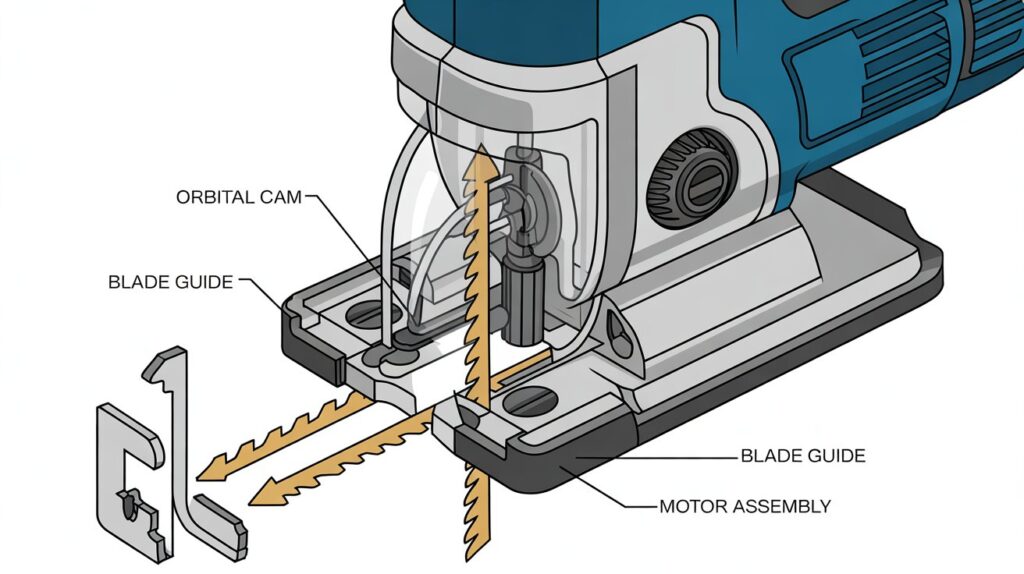
The orbital cutting mechanism is an advanced feature found in many modern woodworking power tools. It improves cutting speed by adding a slight forward motion to the regular up-and-down blade movement. This action allows the blade to remove material more efficiently during operation.
In many variable speed jigsaw systems, users can adjust the orbital settings depending on the material and cutting requirements. Higher orbital settings are commonly used for fast and rough cuts in wood, while lower settings provide smoother and cleaner cuts for detailed projects.
The orbital mechanism works together with the power tool blade system to increase cutting efficiency and reduce strain on the electric motor. This feature is especially useful in cutting tools for woodwork where speed and material removal are important.
Some precision cutting equipment includes multiple orbital levels that help users control cutting aggression and accuracy. Proper adjustment can improve blade performance, reduce overheating, and extend blade life during heavy-duty applications.
The mechanism is built inside the internal gear system and is protected by durable jigsaw machine parts to ensure long-term reliability. Regular cleaning and maintenance help keep the orbital system operating smoothly and efficiently.
Dust Blower and Dust Extraction Features
Dust blower and dust extraction systems are important features in modern electric cutting machines because they improve visibility and keep the workspace cleaner during operation. These systems help remove sawdust and debris that collect around the cutting area.
The dust blower directs air toward the cutting line to clear small particles from the surface. This feature improves accuracy when using precision cutting equipment for detailed or curved cuts. Better visibility also helps users maintain smoother cutting control.
Many woodworking power tools include a dust extraction port that connects to a vacuum system. This attachment removes dust directly from the machine, reducing airborne particles and improving workplace safety. It also helps protect internal jigsaw machine parts from excessive dust buildup.
Clean working conditions improve the performance of the power tool blade system by reducing friction and preventing material blockage near the blade area. Dust removal systems are especially useful in cutting tools for woodwork where large amounts of fine dust are produced.
Regular cleaning of the dust extraction components helps maintain strong airflow and improves the long-term efficiency of handheld power saw components.
Blade Clamp and Blade Changing System
The blade clamp is an essential part of the power tool blade system because it securely holds the blade during high-speed cutting operations. A strong clamp improves stability and helps maintain accurate cutting performance in precision cutting equipment.
Modern jigsaw tool functions often include a tool-free blade change mechanism that allows quick and simple blade replacement. This system saves time and reduces the need for additional tools during blade installation or removal.
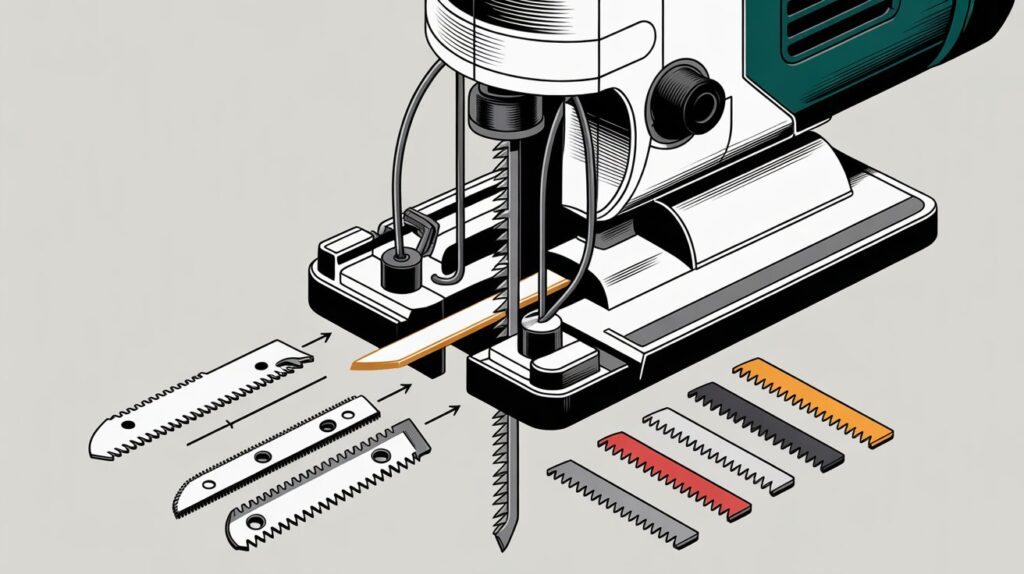
Different jigsaw blade types are designed for specific materials such as wood, plastic, or metal. The blade changing system allows users to switch blades easily depending on the cutting task. This flexibility improves the efficiency of woodworking power tools in both professional and home workshops.
High-quality blade clamps reduce blade movement and vibration during operation. Stable blade positioning improves cutting accuracy and helps extend the life of electric cutting machines.
Regular inspection of the clamp area is important for proper maintenance. Removing dust and checking for wear can improve the reliability of jigsaw machine parts and ensure smoother cutting performance over time.
Common Uses and Maintenance of Jigsaw Tools
Modern woodworking power tools are widely used for straight cuts, curved cuts, and detailed designs in materials such as wood, plastic, laminate, and metal. These electric cutting machines are popular in furniture making, flooring installation, home renovation, and decorative woodworking projects because they provide flexibility and accurate cutting performance.
Different jigsaw blade types allow users to handle various materials efficiently. Fine-tooth blades are ideal for clean and detailed finishing, whereas coarse blades are better suited for woodworking tasks that require quicker and more powerful cutting performance. Adjustable settings in variable speed jigsaw systems also help improve control for delicate or heavy-duty tasks.
Regular maintenance is important for keeping precision cutting equipment in good condition. Cleaning dust and debris from the motor housing, blade area, and cooling vents helps prevent overheating and improves machine performance. Proper lubrication of moving jigsaw machine parts can also reduce wear and vibration during operation.
Inspecting the power tool blade system regularly helps maintain cutting accuracy and safety. Worn or damaged blades should be replaced immediately to avoid rough cuts and unnecessary pressure on the motor. Users should also check the blade clamp, wiring, and base plate for signs of damage or looseness.
Proper storage is another important part of maintenance. Keeping handheld power saw components in a dry and clean environment protects the machine from rust, moisture, and dust buildup. With regular care and correct operation, these tools can provide long-lasting and reliable performance for professional and home projects.
Conclusion
Understanding the parts of a jigsaw tool is essential for achieving accurate and efficient cutting results. Every component, including the blade system, motor, trigger controls, orbital mechanism, and base plate, contributes to the overall performance of the machine. Knowing how these parts function can help users operate the tool more safely and maintain it correctly.
Modern woodworking power tools are designed to handle a wide range of cutting tasks with precision and flexibility. Regular maintenance, proper blade selection, and correct speed settings can improve durability and cutting quality. By learning about these important components, users can get better performance and longer service life from their cutting equipment.
Top five Faqs About Parts of Jigsaw
Q1. What are the parts of a jigsaw?
A jigsaw includes several important components such as the blade, motor, trigger switch, base plate, handle, blade clamp, and orbital mechanism. These parts work together to deliver smooth and accurate cutting performance.
Q2. What is the main use of a jigsaw?
A jigsaw is mainly used for cutting curves, straight lines, and detailed shapes in wood, plastic, and metal. It is popular for woodworking, home repairs, and DIY projects.
Q3. What type of cuts can you make with a jigsaw?
A jigsaw can create straight cuts, curved cuts, bevel cuts, plunge cuts, and intricate decorative patterns. Different blades help achieve cleaner and more precise results.
Q4. How to maintain and care for saw tools?
Keep saw tools clean after use, remove dust buildup, inspect blades regularly, and store the tool in a dry place. Proper maintenance improves cutting accuracy and extends tool life.
Q5. How do you stay safe when using a jigsaw?
Always wear safety glasses, secure the material before cutting, use the correct blade, and keep hands away from the cutting area. Proper handling helps prevent accidents and improves control.