
Introduction
Can you use a jigsaw on wood? Yes, this powerful and versatile tool is widely used for cutting different types of wood in DIY and professional woodworking. In this guide, you will learn how it works, what wood it can cut, and the best techniques for safe and accurate results

Table of Contents
Can a Jigsaw Be Used for Wood Cutting?
Beginner-Friendly Wood Cutting Tool
For beginners in wood cutting tools for beginners category, a jigsaw is one of the easiest tools to start with. It offers control, safety, and flexibility, making it ideal for learning basic woodworking skills.
Versatile Cutting with an Electric Jigsaw Tool
A jigsaw is a powerful electric jigsaw tool designed for cutting different materials, especially wood. It is commonly used in woodworking for making both curved wood cutting and straight cuts in wood, making it a flexible choice for DIY and professional projects.
Ideal for Various Woodworking Tasks
Using a jigsaw for woodworking allows you to handle many projects such as furniture making, home repairs, and craft work. It is especially useful when precision and control are needed for detailed shapes.
Suitable for Different Cutting Techniques
With the right approach on how to cut wood with a jigsaw, you can easily perform detailed cuts. The tool works well for straight lines, curves, and custom shapes, depending on the blade and speed settings.
Works on Multiple Wood Types
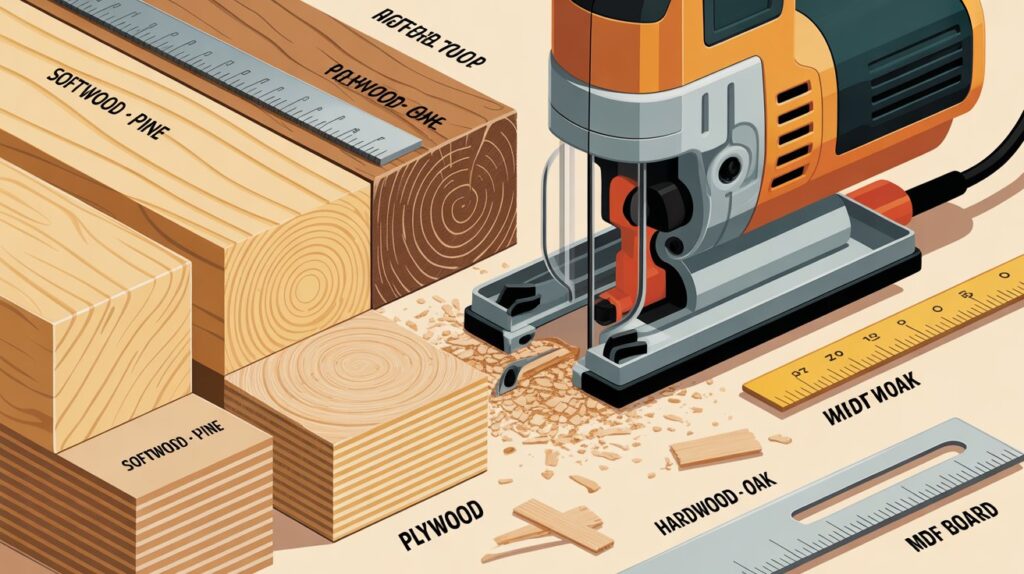
A jigsaw can handle softwood and hardwood cutting, along with engineered materials like plywood and MDF. Understanding what wood can a jigsaw cut helps you choose the right material for your project and avoid blade damage.
Importance of Proper Jigsaw Wood Cutting Tips
Following proper jigsaw wood cutting tips ensures smoother results. Securing the wood, choosing the right blade, and maintaining steady movement all improve accuracy and reduce splintering.
What Wood Can a Jigsaw Cut?
Best Materials for Beginner Woodworkers
For beginners using wood cutting tools for beginners, plywood and softwood are the best options. They are easier to control and help improve skills in how to cut wood with a jigsaw safely and accurately.
Softwood and Hardwood Cutting Capability
A jigsaw can handle both softwood and hardwood cutting depending on the blade type and power. Softwoods like pine are easier to cut, while hardwoods such as oak require slower speed and sharper blades for clean results.
Cutting Plywood with a Jigsaw
One of the most common uses is cutting plywood with a jigsaw. It is widely used in DIY wood projects because it allows smooth curves and straight cuts in wood without requiring heavy machinery.
Working with MDF and Particle Board
A jigsaw is also effective for cutting MDF and particle board. These materials are commonly used in furniture making and interior work, and the tool provides good control for detailed shapes and edges.
Thickness Matters in Wood Cutting
Understanding how deep can a jigsaw cut wood is important. Most jigsaws can cut wood up to a moderate thickness, making them suitable for panels, boards, and small timber pieces rather than very thick logs.
Choosing the Right Blade for Different Woods
Using the correct fine tooth jigsaw blade or coarse blade affects performance. Harder woods require stronger blades, while softer materials can be cut faster with standard blades for smoother straight cuts in wood.
Types of Jigsaw Blades for Wood Cutting
Importance of Blade Choice in Woodworking
In using a jigsaw for woodworking, blade selection directly impacts results. The right blade improves control, reduces splintering, and ensures smoother straight cuts in wood for DIY wood projects.
Fine Tooth Jigsaw Blade for Clean Cuts
A fine-tooth blade provides cleaner and more accurate cuts. It is commonly used for clean wood cuts with a jigsaw, especially when working on plywood or laminate where splintering must be minimized.
Coarse Blade for Faster Cutting
Coarse blades are designed for speed rather than precision. They are useful in softwood and hardwood cutting when the goal is quick removal of material rather than detailed finishing work.
T-Shank Blades for Better Stability
T-shank blades are widely used in modern electric jigsaw tools because they provide a secure grip. This stability helps improve accuracy when performing straight cuts in wood or curved wood cutting tasks.
U-Shank Blades in Basic Models
U-shank blades are found in older or budget-friendly models. While still functional, they are less stable compared to T-shank blades and may affect precision when learning how to cut wood with a jigsaw.
Blade Selection for Different Wood Types
Choosing the right blade depends on what wood can a jigsaw cut. Softer materials like MDF or plywood work well with fine blades, while thicker timber requires stronger, more durable options.
How to Use a Jigsaw to Cut Wood Properly
Check the Blade During Long Projects
During extended cutting work, inspect the blade regularly. A dull blade reduces performance and affects clean wood cuts with a jigsaw, especially when cutting MDF and plywood
Choose the Right Blade Before Cutting
Selecting the correct jigsaw blades for wood is important for smooth performance. A fine tooth jigsaw blade works best for clean wood cuts with a jigsaw, while coarse blades are better for faster cutting on thicker materials.
Mark the Cutting Line Clearly
Before starting, draw a visible cutting line on the wood surface. This improves accuracy during straight cuts in wood and helps maintain control during curved wood cutting projects.
Secure the Wood Properly
Always clamp the wood firmly to prevent movement while cutting. This is one of the most important jigsaw wood cutting tips because loose material can lead to uneven cuts and safety issues.
Adjust the Speed According to Material
Different wood types require different cutting speeds. Softwood and hardwood cutting should be done carefully by adjusting the speed settings to avoid splintering or burning the wood surface.
Start Cutting Slowly and Steadily
When learning how to cut wood with a jigsaw, begin slowly and let the blade move naturally through the material. Applying too much force can damage the blade and reduce cutting accuracy.
Use Proper Technique for Better Results
In using a jigsaw for woodworking, keeping the tool steady improves precision. Smooth hand movement helps create accurate lines and cleaner finishes in DIY wood projects.
Understand Material Thickness Limits
Understanding the cutting capacity of a jigsaw helps avoid overloading the tool. Most standard jigsaws are suitable for medium-thickness boards, plywood, and MDF used in home woodworking tasks.
Best Wood Projects You Can Do with a Jigsaw
Cabinet and Interior Woodwork
A jigsaw is useful for interior woodworking tasks like cutting openings for sinks, electrical outlets, or cabinet adjustments. Understanding what wood can a jigsaw cut helps in selecting the correct material and blade for accurate results.
DIY Shelves and Storage Boxes
Using a jigsaw for woodworking is perfect for creating simple shelves and storage boxes. The tool allows accurate straight cuts in wood, making it easier to prepare panels and wooden boards for home organization projects.
Decorative Wall Art and Wooden Signs
A jigsaw is ideal for curved wood cutting, which makes it useful for decorative wall art and custom wooden signs. Beginners can practice creative cutting techniques while improving control and precision.
Small Furniture Projects
Many DIY wood projects such as stools, side tables, and plant stands can be completed with an electric jigsaw tool. It works well on plywood, MDF, and softwood materials commonly used in furniture building.
Wooden Toy and Craft Projects
For detailed shapes and patterns, a jigsaw provides flexibility that other power tools may not offer. Cutting MDF and plywood for toys, crafts, and school projects becomes easier with the right blade selection.
Picture Frames and Home Decorations
A fine tooth jigsaw blade helps create clean wood cuts with a jigsaw for decorative pieces like frames and wall decor. Smooth edges improve the final appearance and reduce finishing work.
Garden and Outdoor Projects
Outdoor DIY tasks such as birdhouses, planter boxes, and wooden fences can be completed using jigsaw wood cutting tips for better accuracy. Softwood materials are commonly used because they are easier to cut and shape.
Custom Shape Cutting for Beginners
People learning how to cut wood with a jigsaw often start with simple custom shapes. The tool provides excellent control for both straight lines and detailed curves, making it one of the best wood cutting tools for beginners.
Common Mistakes to Avoid When Cutting Wood with a Jigsaw
Skipping Safety Precautions
Ignoring eye protection and safe handling techniques is a common mistake among beginners using wood cutting tools for beginners. Proper safety habits prevent injuries and improve confidence during woodworking tasks.
Using the Wrong Jigsaw Blade
One of the biggest mistakes in using a jigsaw for woodworking is choosing the wrong blade. Different materials require specific jigsaw blades for wood to achieve better performance and cleaner finishes.
Cutting Too Fast
Many beginners force the electric jigsaw tool too quickly through the material. This can damage the blade, create rough edges, and reduce accuracy during straight cuts in wood and curved wood cutting.
Not Securing the Wood Properly
Failing to clamp the wood firmly can lead to vibration and uneven cuts. Following basic jigsaw wood cutting tips helps improve stability and keeps the material in place during cutting.
Ignoring Blade Condition
A dull blade affects clean wood cuts with a jigsaw and increases the chance of splintering. Replacing worn blades regularly improves cutting performance on plywood, MDF, and hardwood surfaces.
Using Incorrect Speed Settings
Softwood and hardwood cutting require different cutting speeds. High speed on hard materials may burn the wood, while very slow speed can reduce cutting efficiency.
Applying Too Much Pressure
When learning how to cut wood with a jigsaw, many users push the tool too hard. A jigsaw works best when allowed to move naturally through the material with steady control.
Cutting Thick Wood Beyond Capacity
Not understanding how deep can a jigsaw cut wood may strain the motor and damage the blade. Thick timber should be cut slowly with suitable blades for safer operation.
Tips for Getting Smooth and Accurate Wood Cuts
Keep the Base Plate Flat on the Surface
Maintaining full contact between the jigsaw base plate and the wood surface helps create balanced movement and smoother cuts during woodworking tasks.
Use a Fine Tooth Jigsaw Blade
A fine tooth jigsaw blade produces smoother edges and reduces splintering. It is especially effective for clean wood cuts with a jigsaw on plywood and decorative woodworking projects.
Mark the Cutting Line Clearly
Drawing a visible guide line improves accuracy during straight cuts in wood. Clear markings help maintain better control while performing curved wood cutting or detailed shaping work.
Secure the Material Before Cutting
Clamping the wood tightly is one of the most effective jigsaw wood cutting tips. Stable material prevents vibration and improves cutting precision on all wood types.
Adjust Speed for Different Materials
Softwood and hardwood cutting require proper speed adjustments. Slower speeds often create cleaner results on dense wood, while moderate speeds work well on plywood and MDF.
Let the Blade Cut Naturally
Applying gentle pressure allows the electric jigsaw tool to cut smoothly without forcing the blade. This technique improves accuracy and reduces blade wear during DIY wood projects.
Choose the Correct Blade for the Material
Understanding what wood can a jigsaw cut helps in selecting suitable blades. Different blades are designed for softwood, hardwood, laminate, and engineered wood materials.
Practice on Scrap Wood First
Beginners learning how to cut wood with a jigsaw should practice on leftover wood pieces before starting major projects. This improves hand control and cutting confidence.
Safety Tips When Using a Jigsaw on Wood
Understand Material Thickness Limits
Knowing how deep can a jigsaw cut wood helps avoid motor strain and unsafe cutting conditions. Using the tool within its recommended limits improves both safety and performance.
Wear Proper Safety Equipment
Safety glasses and gloves are important when using an electric jigsaw tool. Protective equipment helps prevent injuries from wood dust, sharp blades, and flying particles during woodworking tasks.
Secure the Wood Before Cutting
One of the most important jigsaw wood cutting tips is to clamp the material firmly. Stable wood improves control and reduces movement while making straight cuts in wood or curved wood cutting designs.
Use the Correct Jigsaw Blade
Different materials require specific jigsaw blades for wood. Choosing the right blade improves cutting performance and reduces the risk of blade breakage during softwood and hardwood cutting.
Check the Tool Before Starting
Inspect the electric jigsaw tool before use to ensure the blade is tight and the power cord is undamaged. Regular inspection helps maintain safe operation and better cutting accuracy.
Keep Hands Away from the Blade
Always keep your hands at a safe distance from the cutting area. This is especially important for beginners learning how to cut wood with a jigsaw for the first time.
Cut at the Right Speed
Using the correct speed setting improves clean wood cuts with a jigsaw and prevents overheating. Fast cutting on dense wood may reduce control and damage the material surface.
Avoid Forcing the Tool
Applying too much pressure can bend the blade and reduce precision. Allow the jigsaw to move naturally through plywood, MDF, or hardwood for smoother and safer cutting results.
Work in a Clean and Bright Area
A clean workspace improves visibility and reduces accidents during DIY wood projects. Good lighting helps maintain accurate cutting lines and safer handling of woodworking materials.
Disconnect Power When Changing Blades
Always unplug the jigsaw before replacing blades or making adjustments. This simple step prevents accidental startup and protects users while handling sharp cutting accessories.
Conclusion
In conclusion, a jigsaw is a highly useful and beginner-friendly tool for woodworking. It can handle a wide range of materials including plywood, MDF, softwood, and even hardwood when used with the right blade and technique. Understanding what wood can a jigsaw cut and following proper safety and cutting methods will help you achieve smooth, accurate, and professional-looking results. Whether you are working on DIY projects or home improvements, a jigsaw is a reliable choice for both straight and curved cuts.
Frequently Asked Questions
Q1. Can you use a jigsaw on wood for beginners?
Yes, a jigsaw is one of the best wood cutting tools for beginners. It is easy to control and works well for both straight cuts in wood and curved wood cutting projects.
Q2. What wood can a jigsaw cut safely?
A jigsaw can cut softwood, hardwood, plywood, MDF, and particle board. Understanding what wood can a jigsaw cut helps you choose the right blade and speed for better results.
Q3. How deep can a jigsaw cut wood effectively?
Most electric jigsaw tools can cut medium-thickness wood, usually suitable for boards, panels, and plywood. Cutting too thick wood may reduce accuracy and tool performance.
Q4. What is the best blade for cutting wood with a jigsaw?
A fine tooth jigsaw blade is best for clean wood cuts with a jigsaw, while coarse blades are better for faster cutting in softwood and thicker materials.
Q5. How do I get smooth cuts when using a jigsaw for woodworking?
To get smooth results, secure the wood, use proper jigsaw wood cutting tips, choose the right blade, and maintain steady speed while cutting.