
Introduction
Hand saw blades for wood are essential tools for making accurate and efficient cuts in a wide range of woodworking tasks. Whether you are building furniture, completing home repairs, or working on DIY projects, choosing the right blade can improve cutting quality and reduce effort. Different blade types, tooth patterns, and materials are designed for specific applications, making it important to understand their features before selecting one.
This guide explains the different types of hand saw blades, blade materials, tooth per inch (TPI), common uses, maintenance tips, and the most common cutting problems. By the end of this article, you will have the knowledge needed to choose the right blade and achieve better results in your woodworking projects.
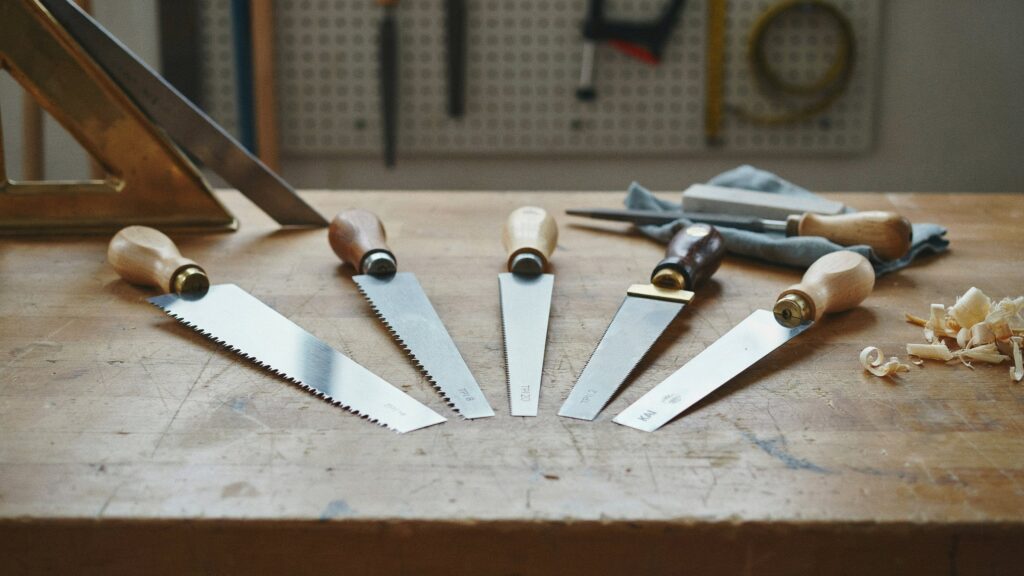
Table of Contents
Main Types of Hand Saw Blades for Wood
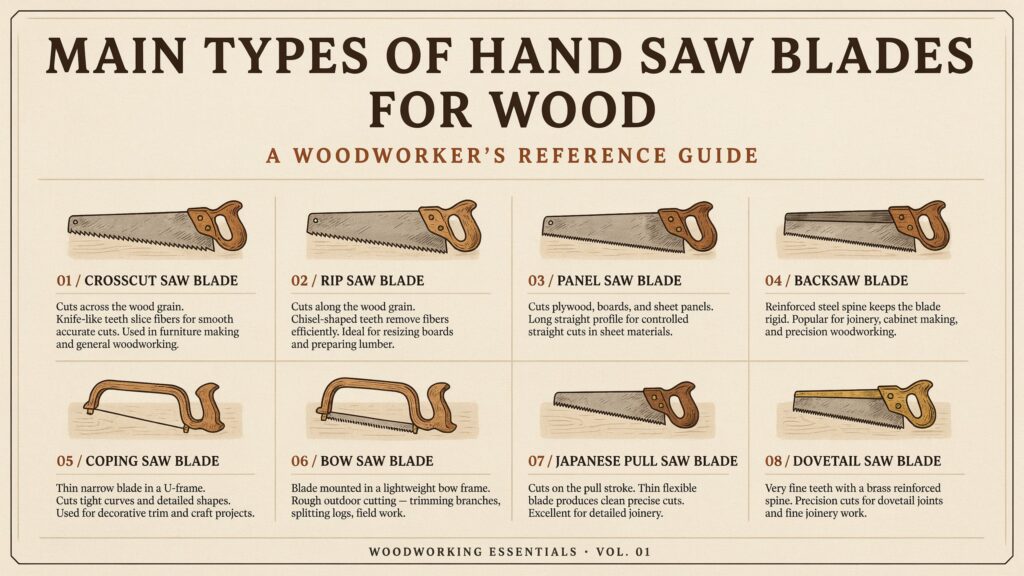
Different hand saw blade types are designed for specific woodworking tasks. Each blade has a unique tooth design, shape, and cutting purpose. Understanding these options helps you choose the right blade for better cutting performance and cleaner results.
1. Crosscut Saw Blade
A crosscut saw blade is designed to cut across the wood grain. Its knife-like teeth slice through wood fibers, producing smooth and accurate cuts. It is commonly used in furniture making, home repairs, and general woodworking projects where a clean finish is important.
2. Rip Saw Blade
A rip saw blade is made for cutting along the wood grain. Its chisel-shaped teeth remove wood fibers efficiently, making it ideal for resizing boards and preparing lumber. It works well for both hardwood cutting and softwood cutting.
3. Panel Saw Blade
A panel saw blade is suitable for cutting plywood, boards, and wooden panels. It is a practical wood cutting saw blade for making straight cuts in sheet materials while maintaining good control during the cutting process.
4. Backsaw Blade
A backsaw blade has a reinforced spine that keeps the blade rigid while cutting. This design improves accuracy, making it a popular woodworking hand saw for joinery, cabinet making, and fine woodworking where precision matters.
5. Coping Saw Blade
A coping saw blade is thin and narrow, allowing it to cut tight curves and detailed shapes. It is often used for decorative woodworking, trim work, and craft projects that require intricate cuts.
6. Bow Saw Blade
A bow saw blade is mounted inside a lightweight frame and is mainly used for rough wood cutting. It is effective for trimming branches, cutting logs, and handling outdoor woodworking tasks.
7. Japanese Pull Saw Blade
Unlike traditional Western saws, a Japanese pull saw blade cuts on the pull stroke instead of the push stroke. This design produces excellent control and clean wood cuts, making it suitable for detailed woodworking and precision joinery.
8. Dovetail Saw Blade
A dovetail saw blade features fine teeth and a rigid spine that help create accurate joinery cuts. It is widely used for making dovetail joints and other fine woodworking connections that require precision.
9. Tenon Saw Blade
A tenon saw blade is built for making straight and accurate cuts when creating tenons, shoulders, and other woodworking joints. Its sturdy design helps maintain a consistent cutting line.
10. Veneer Saw Blade
A veneer saw blade has very fine teeth that reduce splintering when cutting thin sheets of wood veneer. It is commonly used in cabinet making and decorative woodworking.
11. Keyhole Saw Blade
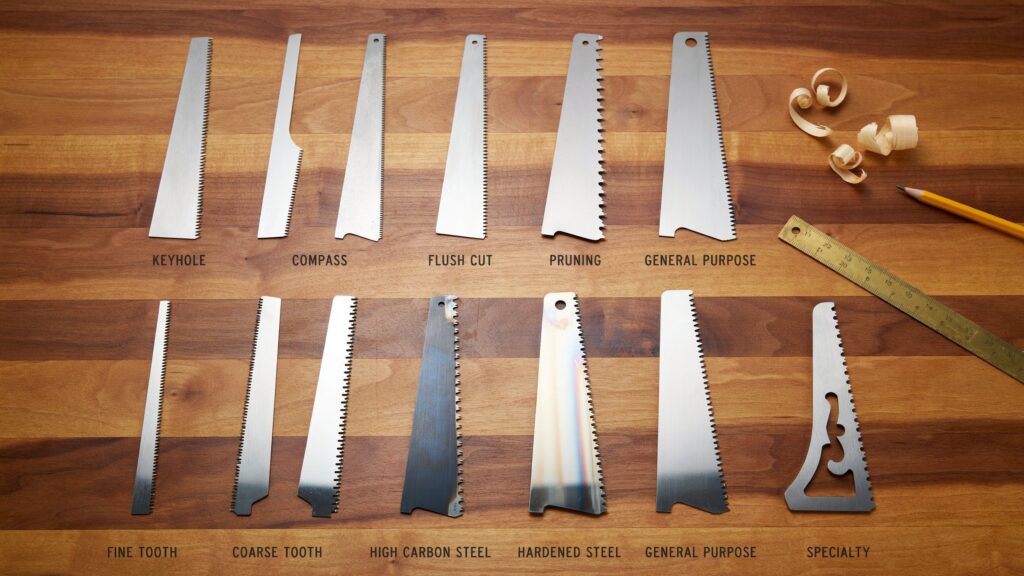
A keyhole saw blade has a long, narrow shape that allows it to cut small openings and tight spaces. It is useful for creating holes, notches, and internal cutouts in wooden surfaces.
12. Compass Saw Blade
A compass saw blade is designed for cutting large curves and irregular shapes. Its tapered blade makes it easier to navigate rounded patterns in wood.
13. Flush Cut Saw Blade
A flush cut saw blade is designed to trim wooden dowels, plugs, and joints without damaging nearby surfaces. It leaves a neat finish that often requires little sanding.
14. Pruning Saw Blade
Although mainly intended for tree branches, a pruning saw blade can also handle rough wood cutting when working with green or freshly cut timber. Its aggressive teeth remove material quickly.
15. Fine-Tooth Saw Blade
A fine-tooth blade has a higher tooth per inch (TPI) count, allowing it to produce smoother and more precise cuts. It is suitable for detailed woodworking and finishing tasks.
16. Coarse-Tooth Saw Blade
A coarse-tooth blade has fewer teeth, allowing faster material removal. It is ideal for cutting thick lumber where speed is more important than achieving a smooth surface.
17. High Carbon Steel Blade
A high carbon steel blade is valued for its strength, sharp cutting edge, and durability. It is widely used in many wood hand saw blade designs because it provides dependable cutting performance.
18. Hardened Steel Blade
A hardened steel blade is heat-treated to improve wear resistance and edge retention. It stays sharp longer, making it suitable for frequent woodworking use.
19. General-Purpose Wood Saw Blade
A general-purpose blade combines features for both rip and crosscut work. It is a versatile option for users who perform different cutting tasks with a single hand saw.
20. Specialty Hand Saw Blade
Specialty blades are designed for unique woodworking applications such as delicate joinery, decorative cutting, or cutting specific wood materials. Selecting the correct blade depends on the project requirements, the saw tooth pattern, and the desired finish quality.
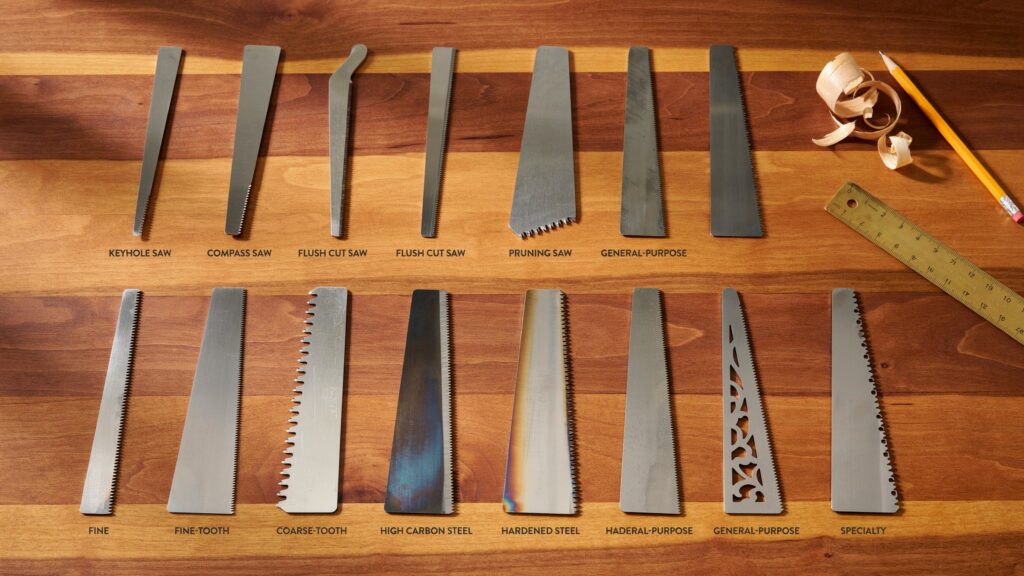
Understanding these hand saw blade types helps you select the right blade for every woodworking task. Factors such as blade design, tooth per inch (TPI), saw tooth pattern, and the material being cut all influence cutting speed, accuracy, and the overall quality of the finished work.
Hand Saw Blade Materials
The material used to manufacture a blade plays an important role in its cutting performance, durability, and lifespan. A high-quality wood hand saw blade stays sharp longer, resists wear, and delivers better results on different types of wood. Understanding the common blade materials helps users choose the right option for their woodworking projects.
1. High Carbon Steel Blade
A high carbon steel blade is one of the most widely used materials for woodworking. It provides excellent sharpness and can be resharpened multiple times, making it a practical choice for regular use. This material is suitable for both hardwood cutting and softwood cutting because it produces consistent and clean wood cuts. Many woodworking hand saw models are equipped with high carbon steel blades due to their balance of durability and cutting efficiency.
2. Hardened Steel Blade
A hardened steel blade undergoes a heat-treatment process that increases its strength and wear resistance. It maintains a sharp edge for a longer period than standard steel, reducing the need for frequent sharpening. These blades are commonly found in modern hand saw blade types designed for demanding woodworking applications.
3. Stainless Steel Blade
Stainless steel blades offer excellent resistance to rust and corrosion. They are especially useful in humid environments where moisture may affect ordinary steel. Although they may require sharpening more often than hardened steel, they remain a dependable wood cutting saw blade for general woodworking and household projects.
4. Alloy Steel Blade
An alloy steel blade is manufactured by combining steel with other metals to improve strength, flexibility, and durability. This material is less likely to crack under heavy use and performs well in different woodworking conditions. It is commonly used in professional manual wood cutting tools that require dependable performance over time.
5. Impulse-Hardened Steel Blade
Impulse-hardened blades have specially treated teeth that stay sharp much longer than conventional blades. These blades provide smooth cutting performance and reduce maintenance. They are ideal for users who frequently work on large woodworking projects and need reliable cutting efficiency.
6. Spring Steel Blade
Spring steel is known for its flexibility and resistance to bending. A blade made from this material can withstand repeated use without breaking easily. It is commonly used in saws that require slight flexibility while maintaining accurate cuts.
7. Chrome-Plated Steel Blade
Chrome-plated steel blades have a protective coating that helps prevent rust and reduces friction during cutting. The smoother blade surface allows easier movement through wood while improving the quality of clean wood cuts.
8. Bi-Metal Blade
A bi-metal blade combines two different metals to achieve greater durability and flexibility. The cutting teeth are made from harder steel, while the blade body remains flexible to reduce the risk of cracking. This design extends blade life and improves cutting performance during continuous use.
9. Carbon Alloy Steel Blade
Carbon alloy steel combines the benefits of carbon steel with added alloy elements for improved toughness and wear resistance. These blades perform well in both hardwood cutting and softwood cutting, making them suitable for a wide range of woodworking tasks.
10. Tool Steel Blade
Tool steel blades are designed for demanding woodworking applications where strength and long-lasting sharpness are essential. Their durable construction makes them a preferred choice for professionals who require consistent cutting performance. The effectiveness of these blades also depends on the tooth per inch (TPI) and the saw tooth pattern, which influence cutting speed and surface finish.
Selecting the right blade material improves cutting efficiency, extends blade life, and supports better results in every woodworking task. Combining the appropriate material with the correct tooth per inch (TPI) and saw tooth pattern ensures reliable performance and high-quality cuts across different types of wood.
Understanding Tooth Patterns and TPI
The cutting performance of a wood hand saw blade depends greatly on its tooth design and tooth per inch (TPI). These two features determine how quickly the blade cuts, how smooth the surface becomes, and which type of wood it can handle effectively. Understanding them makes it easier to select the right wood cutting saw blade for different woodworking tasks.
1. What Is Tooth Per Inch (TPI)?
Tooth per inch (TPI) refers to the number of teeth found within one inch of the blade. A higher TPI means the blade has more teeth packed closely together, while a lower TPI means the teeth are larger and spaced farther apart. TPI directly affects cutting speed and surface quality.
2. Low TPI for Faster Cutting
Blades with a low tooth per inch (TPI) count remove more material with each stroke, allowing faster cutting. These blades are suitable for rough work, thick lumber, and softwood cutting where speed is more important than achieving a smooth finish.
3. High TPI for Smoother Cuts
A high tooth per inch (TPI) count creates finer and more accurate cuts because each tooth removes a smaller amount of wood. These blades are ideal for detailed woodworking, trim work, and hardwood cutting, where a clean surface is required with minimal splintering.
4. Rip Tooth Pattern
The rip saw blade uses a tooth pattern designed to cut along the wood grain. Its chisel-shaped teeth remove wood fibers efficiently, making it an excellent choice for resizing boards and preparing timber for woodworking projects.
5. Crosscut Tooth Pattern
A crosscut saw blade has knife-like teeth that slice across the wood grain instead of scraping it away. This design produces smoother edges and clean wood cuts, making it suitable for furniture making, carpentry, and finishing work.
6. Combination Tooth Pattern
Some hand saw blade types feature a combination tooth pattern that performs both rip and crosscut tasks reasonably well. These blades are useful for general woodworking when different types of cuts are required without changing tools.
7. Progressive Tooth Pattern
A progressive saw tooth pattern starts with smaller teeth near the front of the blade and gradually increases tooth size toward the back. This design makes the saw easier to start while improving cutting speed as the stroke continues.
8. Tooth Shape and Cutting Performance
The shape and angle of each tooth affect how efficiently a blade cuts through wood. Proper tooth geometry improves chip removal, reduces resistance, and enhances the overall performance of a woodworking hand saw. Different tooth designs are created for specific cutting applications.
9. Choosing the Right TPI for Wood Type
Selecting the correct tooth per inch (TPI) depends on the material being cut. Lower TPI blades work well for softwood cutting and thick timber because they remove material quickly. Higher TPI blades are better suited for hardwood cutting, thin boards, and fine woodworking where smooth results are important.
10. Matching Tooth Pattern to the Project
The best cutting results come from choosing a blade with the correct saw tooth pattern and tooth per inch (TPI) for the job. Whether using a woodworking hand saw for rough construction or detailed joinery, the right tooth design improves accuracy, reduces effort, and delivers better finishing quality. Understanding these features helps users select the most suitable manual wood cutting tools for every woodworking project.
Common Uses of Hand Saw Blades for Wood
Different hand saw blade types are designed to perform a wide range of woodworking tasks. Choosing the right wood hand saw blade for each application improves cutting accuracy, reduces effort, and helps achieve better results. Below are some of the most common uses of these blades.
1. Furniture Making
A woodworking hand saw is widely used in furniture making to cut boards, trim components, and prepare wood for assembly. Blades with the proper tooth per inch (TPI) produce accurate cuts that help create strong joints and a smooth finish.
2. General Carpentry
Carpenters use a wood cutting saw blade for framing, trimming, and fitting wooden parts during construction and renovation work. The correct saw tooth pattern improves cutting efficiency and reduces material waste.
3. Joinery Work
Fine joinery requires precise cuts for creating joints such as dovetails, tenons, and mortises. A blade with fine teeth delivers clean wood cuts, making it easier to assemble wooden pieces with accuracy.
4. Woodworking Projects
Whether building shelves, cabinets, tables, or decorative items, a reliable woodworking hand saw is an essential tool. Selecting the right blade for the material ensures smoother cuts and better project quality.
5. Cutting Hardwood
Dense woods require durable blades with an appropriate tooth per inch (TPI). A quality high carbon steel blade provides the strength and sharpness needed for efficient hardwood cutting while maintaining accuracy.
6. Cutting Softwood
Pine, cedar, and similar woods are easier to cut with blades designed for softwood cutting. Coarser teeth remove material quickly, making the cutting process faster without sacrificing control.
7. Trimming Wooden Boards
A wood hand saw blade is commonly used to shorten boards, cut timber to size, and prepare lumber for construction or woodworking. The right blade helps produce straight, even cuts with minimal splintering.
8. Home Improvement and DIY Projects
Many homeowners use manual wood cutting tools for repairs, remodeling, and custom woodwork. From installing trim to building simple furniture, these tools provide reliable cutting performance without requiring electricity.
9. Craft and Decorative Work
Small woodworking projects often involve cutting thin wood pieces into detailed shapes. A blade with a fine saw tooth pattern allows better control and produces smooth edges that require less finishing.
10. Outdoor Wood Cutting
A wood cutting saw blade is also useful for outdoor tasks such as cutting fence posts, wooden stakes, and untreated lumber. Selecting the appropriate hand saw blade types for the material improves cutting speed and extends blade life.
Using the correct blade for each application increases efficiency, improves safety, and delivers better cutting results. Factors such as tooth per inch (TPI), saw tooth pattern, blade material, and the type of wood being cut all contribute to the overall performance of a woodworking hand saw.
Maintenance and Care of Hand Saw Blades
Proper maintenance helps a wood hand saw blade stay sharp, safe, and efficient for a longer time. Regular care also improves cutting performance, reduces wear, and ensures consistent results in different woodworking projects. Following a few simple maintenance practices can significantly extend the life of your manual wood cutting tools.
1. Clean the Blade After Every Use
Dust, wood chips, sap, and resin can build up on the blade during use. Cleaning the wood cutting saw blade after each project prevents residue from affecting cutting performance. Wipe the blade with a clean cloth and use a mild cleaning solution if stubborn deposits remain.
2. Dry the Blade Thoroughly
Moisture is one of the main causes of rust on steel blades. After cleaning, dry the blade completely before storing it. This simple step protects high carbon steel blade surfaces and helps maintain their cutting quality.
3. Store the Blade in a Dry Place
Proper storage prevents rust, accidental damage, and dull teeth. Keep your woodworking hand saw in a dry toolbox, cabinet, or wall-mounted rack where the blade is protected from moisture and impacts.
4. Keep the Teeth Sharp
Sharp blade teeth reduce effort and improve cut quality. If the blade is designed for sharpening, restore the edge with the proper tools whenever cutting becomes slower or rougher. Maintaining the correct saw tooth pattern also helps preserve cutting accuracy.
5. Protect the Blade from Rust
Applying a light coat of machine oil or a rust-preventive product creates a protective barrier against moisture. This is especially useful for high carbon steel blade models that are more likely to develop surface rust if left unprotected.
6. Inspect the Blade Regularly
Check the blade before each use for bent sections, damaged teeth, cracks, or excessive wear. A damaged wood hand saw blade may produce inaccurate cuts and can become unsafe during operation. Replace the blade if serious damage is found.
7. Use the Correct Blade for the Job
Selecting the appropriate hand saw blade types for each task reduces unnecessary wear. A blade designed for hardwood cutting may perform differently from one intended for softwood cutting, so matching the blade to the material improves efficiency and blade life.
8. Avoid Excessive Force While Cutting
Allow the blade to cut at its natural pace instead of applying excessive pressure. Proper cutting technique reduces stress on the blade, protects the tooth per inch (TPI) design, and helps maintain smooth cutting performance.
9. Keep the Blade Protected During Transport
When carrying or storing a saw, use a blade guard or protective cover whenever possible. This prevents the teeth from becoming damaged and helps preserve the saw tooth pattern for accurate cutting.
10. Perform Routine Maintenance
Regular inspection, cleaning, sharpening, rust prevention, and proper storage keep your woodworking hand saw in excellent condition. Consistent maintenance improves cutting efficiency, extends blade life, and ensures reliable performance in both professional work and everyday woodworking projects.
Common Problems and How to Avoid Them
Even a high-quality wood hand saw blade can develop cutting problems if it is used incorrectly or not maintained properly. Understanding these common issues and their solutions helps improve cutting accuracy, extends blade life, and keeps your woodworking hand saw performing at its best.
1. Rough or Uneven Cuts
Rough cuts often occur when the blade is dull or has the wrong tooth per inch (TPI) for the material. Using a sharp blade with the correct tooth configuration produces clean wood cuts and improves the overall finish.
2. Blade Binding
Blade binding happens when the blade becomes stuck inside the cut. This is usually caused by twisting the saw, applying too much pressure, or allowing the wood to close around the blade. Maintaining a straight cutting path and using the proper wood cutting saw blade helps prevent this problem.
3. Crooked Cutting Line
A cut may drift away from the marked line if the blade is bent, dull, or guided incorrectly. Choosing the appropriate hand saw blade types and using steady, controlled strokes helps produce straighter and more accurate cuts.
4. Slow Cutting Performance
Cutting becomes slow when the teeth lose their sharpness or the blade is not suitable for the job. A high carbon steel blade that is properly maintained delivers better performance and removes wood more efficiently during both hardwood cutting and softwood cutting.
5. Excessive Splintering
Splintering usually occurs when cutting across the wood grain with an unsuitable blade. A crosscut saw blade with a higher tooth per inch (TPI) creates smoother edges and reduces damage to the wood surface.
6. Difficult Rip Cuts
Using the wrong blade for cutting along the grain can make the process slower and require more effort. A rip saw blade is specifically designed to remove wood fibers efficiently and provides better results during long rip cuts.
7. Damaged or Broken Teeth
Blade teeth can chip or break when cutting materials that exceed the blade’s intended use or when excessive force is applied. Inspect the blade regularly and replace it if damaged. Proper handling also helps preserve the saw tooth pattern.
8. Rust and Corrosion
Moisture can cause rust to form on steel blades, reducing cutting efficiency and shortening blade life. Clean and dry your manual wood cutting tools after every use, and apply a light protective oil before storage when needed.
9. Poor Blade Control
Poor control often results from using a blade that does not match the project. Selecting the correct woodworking hand saw and blade design for the task improves balance, accuracy, and user confidence during cutting.
10. Choosing the Wrong Blade
One of the most common mistakes is selecting a blade that is not suitable for the type of wood or the required cut. Consider the tooth per inch (TPI), saw tooth pattern, blade material, and whether the project involves hardwood cutting or softwood cutting. Matching these features to the task ensures better performance and longer blade life.
Common Problems and How to Avoid Them
Even a high-quality wood hand saw blade can develop cutting problems if it is used incorrectly or not maintained properly. Understanding these common issues and their solutions helps improve cutting accuracy, extends blade life, and keeps your woodworking hand saw performing at its best.
1. Rough or Uneven Cuts
Rough cuts often occur when the blade is dull or has the wrong tooth per inch (TPI) for the material. Using a sharp blade with the correct tooth configuration produces clean wood cuts and improves the overall finish.
2. Blade Binding
Blade binding happens when the blade becomes stuck inside the cut. This is usually caused by twisting the saw, applying too much pressure, or allowing the wood to close around the blade. Maintaining a straight cutting path and using the proper wood cutting saw blade helps prevent this problem.
3. Crooked Cutting Line
A cut may drift away from the marked line if the blade is bent, dull, or guided incorrectly. Choosing the appropriate hand saw blade types and using steady, controlled strokes helps produce straighter and more accurate cuts.
4. Slow Cutting Performance
Cutting becomes slow when the teeth lose their sharpness or the blade is not suitable for the job. A high carbon steel blade that is properly maintained delivers better performance and removes wood more efficiently during both hardwood cutting and softwood cutting.
5. Excessive Splintering
Splintering usually occurs when cutting across the wood grain with an unsuitable blade. A crosscut saw blade with a higher tooth per inch (TPI) creates smoother edges and reduces damage to the wood surface.
6. Difficult Rip Cuts
Using the wrong blade for cutting along the grain can make the process slower and require more effort. A rip saw blade is specifically designed to remove wood fibers efficiently and provides better results during long rip cuts.
7. Damaged or Broken Teeth
Blade teeth can chip or break when cutting materials that exceed the blade’s intended use or when excessive force is applied. Inspect the blade regularly and replace it if damaged. Proper handling also helps preserve the saw tooth pattern.
8. Rust and Corrosion
Moisture can cause rust to form on steel blades, reducing cutting efficiency and shortening blade life. Clean and dry your manual wood cutting tools after every use, and apply a light protective oil before storage when needed.
9. Poor Blade Control
Poor control often results from using a blade that does not match the project. Selecting the correct woodworking hand saw and blade design for the task improves balance, accuracy, and user confidence during cutting.
10. Choosing the Wrong Blade
One of the most common mistakes is selecting a blade that is not suitable for the type of wood or the required cut. Consider the tooth per inch (TPI), saw tooth pattern, blade material, and whether the project involves hardwood cutting or softwood cutting. Matching these features to the task ensures better performance and longer blade life.
Conclusion
Choosing the right hand saw blades for wood is essential for achieving accurate, clean, and efficient cuts in every woodworking project. Factors such as blade type, material, tooth per inch (TPI), and tooth pattern all influence cutting performance and the quality of the finished work.
Regular maintenance, proper storage, and selecting the correct blade for each task help extend blade life and improve safety. Whether you are working with hardwood, softwood, or plywood, understanding these features allows you to make better decisions and complete projects with greater confidence. With the right knowledge and proper care, your hand saw blades will continue to deliver reliable performance for years.
Top Five Frequently Asked Questions
Q1. Which saw blade is best for cutting wood?
The best saw blade depends on the type of cut you need. A crosscut saw blade is ideal for smooth cuts across the wood grain, while a rip saw blade is best for cutting along the grain. Choose the blade based on your woodworking project and the type of wood.
Q2. How many teeth blade for wood?
The ideal tooth per inch (TPI) depends on the job. Blades with 5–8 TPI are suitable for fast, rough cuts, while 10–14 TPI provide smoother and more accurate cuts for fine woodworking and finishing tasks.
Q3. How to use a small hand saw?
Mark the cutting line, hold the wood securely, and start with light strokes to create a guide cut. Once the blade is aligned, use steady, even strokes without applying too much pressure. Let the saw teeth do the cutting for better accuracy.
Q4. What are the three types of hand saws?
The three most common types of hand saws are the crosscut saw, rip saw, and backsaw. Each is designed for different woodworking tasks, from general cutting to precise joinery and detailed work.
Q5. What are 5 uses of a saw?
A saw is commonly used for:
Cutting wooden boards and gardenig
Building furniture
Carpentry and construction
Trimming wood for home repairs
Completing DIY woodworking projects