
Introduction
Grass cutters are useful tools for maintaining neat lawns, trimming garden edges, and managing overgrown grass. They come in different types, including manual, electric, cordless, and petrol-powered models. Understanding their uses, safety precautions, and maintenance requirements can help you choose suitable equipment for your garden.
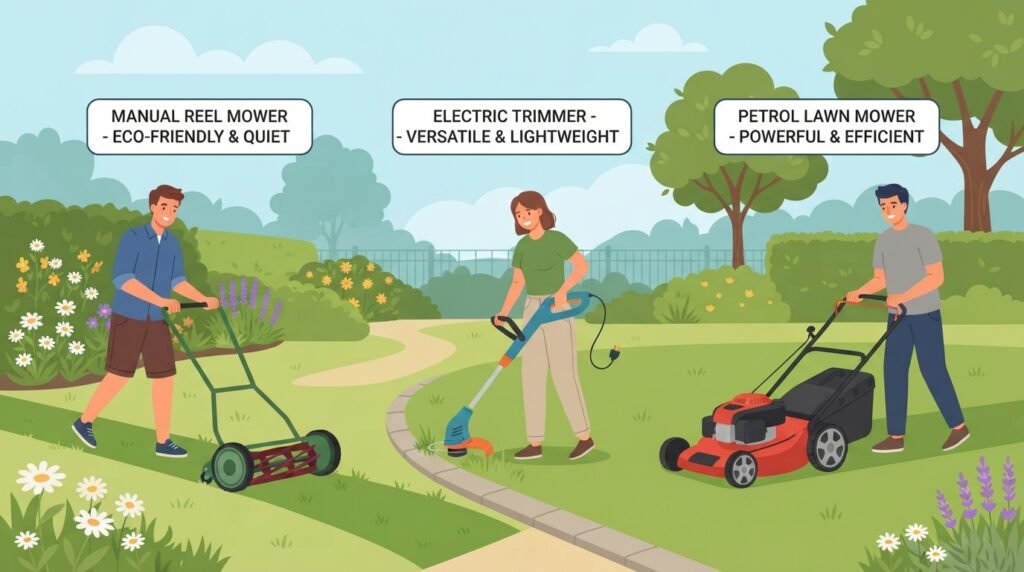
Table of Contents
What Are Grass Cutters?
Grass-cutting tools are equipment designed to trim grass, maintain lawns, and keep gardens neat. They come in different types, sizes, and power options to suit various outdoor spaces.
These tools include manual grass cutters, electric grass cutters, and petrol grass cutters. Some are suitable for small gardens, while others handle thick grass and larger areas. Grass trimmers are useful for reaching lawn edges and tight spaces.
Choosing suitable lawn care equipment depends on garden size, grass thickness, power source, and ease of maintenance. Always follow safety instructions and wear appropriate protective equipment when cutting grass.
Common Uses of Grass Cutters
Grass-cutting equipment helps keep lawns, gardens, and outdoor spaces clean and well-maintained. Different tools are designed for different tasks, depending on grass thickness, garden size, and the area that needs trimming.
1. Cutting Lawn Grass
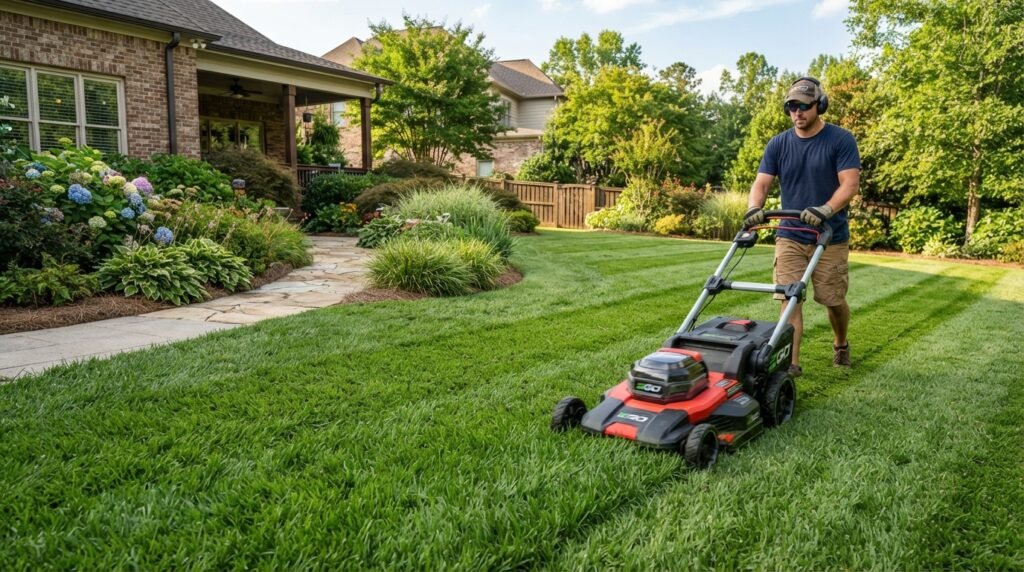
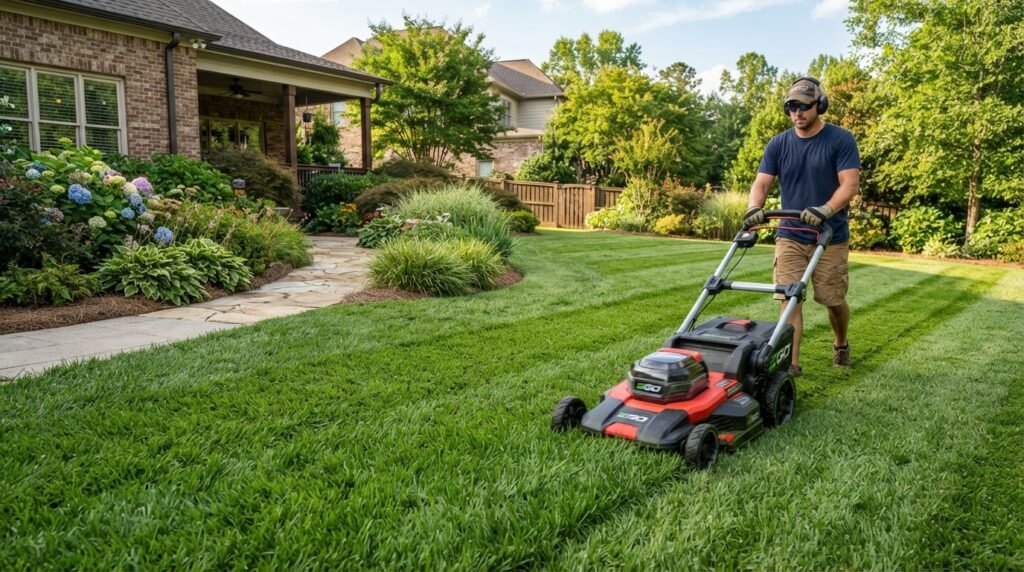
One of the main uses is maintaining grass at a suitable height. Lawn maintenance helps keep gardens tidy and makes outdoor spaces more attractive. Suitable grass cutting machines can handle regular lawn trimming in residential and commercial areas.
2. Trimming Garden Edges
Grass often grows along pathways, walls, fences, and around trees. Grass trimmers help cut these areas where larger machines may not reach easily. They are useful for creating neat lawn edges and improving the appearance of a garden.
3. Removing Overgrown Grass
Tall grass can make gardens look untidy and may hide stones or other obstacles. Powerful petrol grass cutters can help manage thick vegetation in larger outdoor areas. Always check the ground for hidden objects before starting work.
4. Clearing Weeds Around Plants
Suitable garden tools can help manage unwanted plants growing near flowers, trees, and garden beds. Removing weeds keeps planting areas tidy and limits unwanted growth. Work carefully when trimming around delicate plants, young flowers, and tree trunks to prevent accidental damage.
5. Maintaining Large Outdoor Areas
Parks, fields, and large lawns require equipment that can cover wide spaces efficiently. Grass cutting equipment with suitable cutting capacity can reduce the time needed for routine maintenance.
6. Maintaining Small Gardens
For smaller spaces, manual grass cutters and cordless grass cutters may be practical options. They can help with light trimming, depending on the design and cutting capacity. Consider storage space, battery life, and ease of handling before choosing a tool.
7. Cutting Grass Along Fences
Grass often grows around fences, gates, and boundary walls, making these areas difficult to maintain. Grass trimmers help reach narrow spaces and remove unwanted growth. Use suitable cutting attachments to avoid damaging fence materials.
8. Maintaining Roadside Green Areas
Roadside green spaces can become untidy when grass grows too tall. Suitable grass cutting equipment helps maintenance workers keep these areas neat and manageable. Operators should remain alert to traffic, pedestrians, and flying debris.
9. Clearing Grass Around Trees
Grass growing around tree trunks can make gardens look messy. Small garden maintenance tools help trim these areas carefully. Avoid cutting too close to the trunk because damaged bark can harm the tree.
10. Trimming Grass Around Garden Paths
Grass may spread over stone paths, concrete walkways, and garden steps. Lawn edging tools help restore clean boundaries between grass and walking areas. This can improve the appearance of outdoor spaces and make pathways easier to maintain.

11. Maintaining Sports Grounds
Sports grounds need regular grass maintenance to provide a suitable playing surface. Appropriate lawn care equipment helps groundskeepers maintain grass at a consistent height. The correct cutting method depends on the sport, grass type, and condition of the field.
12. Managing Grass in Orchards
Grass and weeds can grow between fruit trees and along orchard boundaries. Suitable petrol grass cutters or other appropriate machines can help manage vegetation in these spaces. Operators should take care around tree roots, irrigation pipes, and fallen fruit.
13. Preparing Gardens for New Planting
Before adding flowers or setting up a garden bed, clear away excess grass and unwanted plants. Garden cutting tools can make surface clearing quicker and help prepare the area for planting. However, weeds with deep roots may need to be dug out separately.
14. Maintaining Commercial Properties
Offices, hotels, schools, and other commercial buildings often have lawns and landscaped outdoor areas. Reliable grass cutting machines help maintenance teams keep these spaces clean and presentable. Regular inspections and proper equipment maintenance support consistent results.
15. Controlling Grass Around Drainage Areas
Grass can grow around drainage channels and ditches, making inspection and cleaning more difficult. Suitable grass trimming equipment can help keep surrounding vegetation under control. Work carefully near water, steep slopes, and drainage openings, and never operate powered equipment in unsafe conditions.
Safety Tips
Wear protective glasses, sturdy footwear, and hearing protection when required. Keep children and pets away from the working area, and follow the manufacturer’s instructions.
Grass Cutter Safety Tips
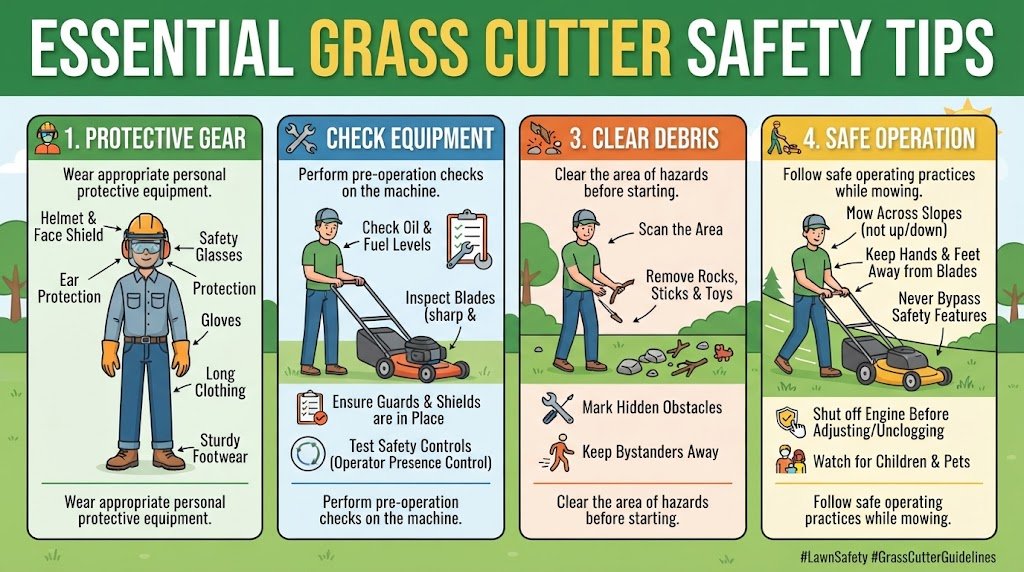
Using grass-cutting equipment correctly helps prevent injuries and protects people, pets, and property. Before starting any machine, read the manufacturer’s instructions and check that the equipment is suitable for the job. Following basic grass cutter safety tips makes garden maintenance safer and easier.
1. Wear Protective Equipment
Always wear safety glasses, sturdy footwear, and long trousers to protect yourself from flying grass, stones, and other debris. Use hearing protection when recommended, especially when operating noisy petrol-powered machines. Avoid loose clothing that could become caught in moving parts.
2. Inspect the Equipment Before Use
Check the grass cutting blades, guards, handles, cables, and other components before starting work. Look for cracks, loose parts, or damage. Never operate equipment with missing safety guards or damaged components.
3. Clear the Working Area
Before mowing, check the lawn and pick up rocks, branches, toys, cables, and other debris. Rotating blades can throw these objects and cause injuries. Make sure children, animals, and other people stay well away from the working area.
4. Follow the Correct Starting Procedure
Switch on the equipment by following the instructions provided in the manufacturer’s manual.. Keep your hands and feet away from moving parts, and place the equipment on a stable surface when required. Never start or operate a machine in an enclosed area where harmful exhaust gases can accumulate.
5. Handle Electrical Equipment Carefully
When using electric grass cutters, inspect the power cord and plug for damage. Keep electrical connections away from water, and use outdoor-rated extension cords where permitted. For cordless models, use the recommended battery and charger.
6. Use Proper Cutting Techniques
Hold the equipment firmly and maintain a balanced position while working. Avoid cutting on slippery or steep ground unless the machine is designed for those conditions. Never force the cutting head into thick vegetation beyond the equipment’s capacity.
7. Switch Off Before Adjustments
Always switch off the machine and disconnect the power source before cleaning, removing blockages, or making adjustments. For petrol equipment, follow the manufacturer’s shutdown and cooling instructions. Make sure every moving component has come to a complete stop before handling the machine.
8. Maintain Blades and Safety Guards
Regularly inspect grass cutting blades for wear, cracks, or damage. Replace or sharpen them according to the manufacturer’s instructions. Keep safety guards fitted correctly, and never remove them to make cutting easier.
9. Store Equipment Safely
After use, clean the machine according to its manual and store it in a dry, secure place. Keep sharp blades, fuel, batteries, and tools away from children. Store petrol in approved containers and follow local fire-safety requirements.
10. Stop Work in Unsafe Conditions
Avoid operating equipment during thunderstorms, poor visibility, or other hazardous conditions. Take regular rest periods to avoid fatigue, and never operate equipment after consuming alcohol or drugs.
Conclusion: Following these precautions helps reduce common lawn-maintenance hazards. Proper protective equipment, careful operation, and regular inspection are essential for safer garden work.
How to Maintain Grass-Cutting Equipment
Regular maintenance helps grass cutting equipment work efficiently, last longer, and remain safe to use. Simple care after each use can prevent damage and reduce the need for repairs.
1. Clean After Every Use
After turning off the machine, clear away dried grass, dust, and dirt. Follow the user manual when cleaning, and keep electrical parts dry to reduce the risk of damage, rust, and clogged components.
2. Inspect the Cutting Blades
Check grass cutting blades for cracks, dull edges, or other damage. Clean them carefully and sharpen or replace them according to the manufacturer’s instructions. Always disconnect the power source before inspecting or handling blades.
3. Check Cables and Batteries
For electric grass cutters, inspect power cords, plugs, and connections for damage. For cordless grass cutters, check the battery for cracks, swelling, or leaks. Use only compatible chargers and batteries.
4. Maintain Petrol Engines
For petrol-powered machines, check the engine oil, air filter, and fuel system as directed in the manual. Replace worn parts when needed. Never refuel a hot engine, and keep fuel away from flames and sparks.
5. Tighten Loose Parts
Regularly examine the handles, bolts, protective covers, and connections. Secure any loose fittings as directed in the manual, and replace broken parts before operating the equipment again.
6. Store Equipment Properly
Store your lawn care equipment in a safe, dry, and tidy location. Shield it from rain and dampness to prevent damage. Keep batteries and fuel in suitable storage conditions, following the manufacturer’s safety guidelines.
7. Schedule Regular Inspections
Inspect the machine before each use and seek expert servicing when needed. Routine garden equipment care helps detect worn or faulty parts early and prevents more serious damage.
Conclusion: Proper cleaning, blade inspection, safe storage, and routine servicing help keep cutting tools in good condition. Always follow the manufacturer’s maintenance instructions for reliable performance and safer operation.
How to Choose the Right Grass Cutter
Choosing suitable equipment makes lawn care easier and helps you maintain a neat garden. Before selecting a machine, consider your garden size, grass type, power source, and maintenance needs.
1. Consider Your Garden Size
Small gardens can often be maintained with manual cutting tools or lightweight electric grass cutters. For larger lawns, a more powerful machine may save time by covering wider areas. Select equipment based on your garden’s size and cutting needs.
2. Choose the Right Power Source
Different machines use different power sources:
- Manual grass cutters: Suitable for light trimming and small areas.
- Electric grass cutters: Useful for regular garden maintenance near a power supply.
- Cordless grass cutters: Offer greater movement without a power cable.
- Petrol grass cutters: Often suitable for large areas and thick vegetation.
3. Check the Grass Type
Thin lawn grass may need only basic grass cutting tools, while thick grass and weeds may require more powerful equipment. Review the cutting limits specified by the manufacturer to ensure the machine can handle your grass conditions.
4. Look at Weight and Comfort
Light tools are generally easier to control during extended garden work. Consider the handle shape, grip comfort, weight distribution, and maneuverability. Choosing an easy-to-handle machine can help limit tiredness while working.
5. Consider Maintenance Requirements
Some machines need regular blade inspection, cleaning, and sharpening. Petrol models also require engine maintenance, while battery-powered models need proper battery care. Choose lawn care equipment that matches the time and effort you can give to maintenance.
6. Check Safety Features
Look for suitable guards, secure handles, and accessible controls. Read the operating instructions and wear recommended protective equipment. Never use a machine with damaged parts.
7. Compare Durability and Replacement Parts
Make sure replacement blades and important components are readily available before choosing a machine. Proper maintenance and easy access to spare parts can help keep the equipment working well for a long time.
Conclusion: The right choice depends on your garden size, grass conditions, comfort, safety, and maintenance needs. Compare these factors carefully to find equipment that suits your gardening tasks.
Conclusion
Choosing and using the right grass-cutting equipment makes garden maintenance easier and more effective. Consider your garden size, grass type, power source, and safety features before selecting a machine. Cleaning the machine frequently and caring for its parts can help it work better and last longer.. By following these practical tips, you can keep your lawn and garden neat, healthy, and well-maintained.
Frequently Asked Questions
Q1. What are grass cutters used for?
Grass cutters are used to trim lawns, cut overgrown grass, maintain garden edges, and keep outdoor spaces neat.
Q2. What are the main types of grass cutters?
The main types include manual, electric, cordless, and petrol-powered grass cutters. Each suits different garden sizes and cutting needs.
Q3. Which grass cutter is best for a small garden?
A lightweight electric grass cutter or manual cutting tool is often suitable for small gardens because it is easy to handle and maintain.
Q4. How can I maintain a grass cutter?
Clean it after use, inspect the blades, check for damaged parts, and store it in a dry place. Always follow the manufacturer’s instructions.
Q5. What safety precautions should I follow when using a grass cutter?
Wear safety glasses, sturdy footwear, and suitable protective clothing. Clear debris from the area and switch off the machine before cleaning or adjusting it.